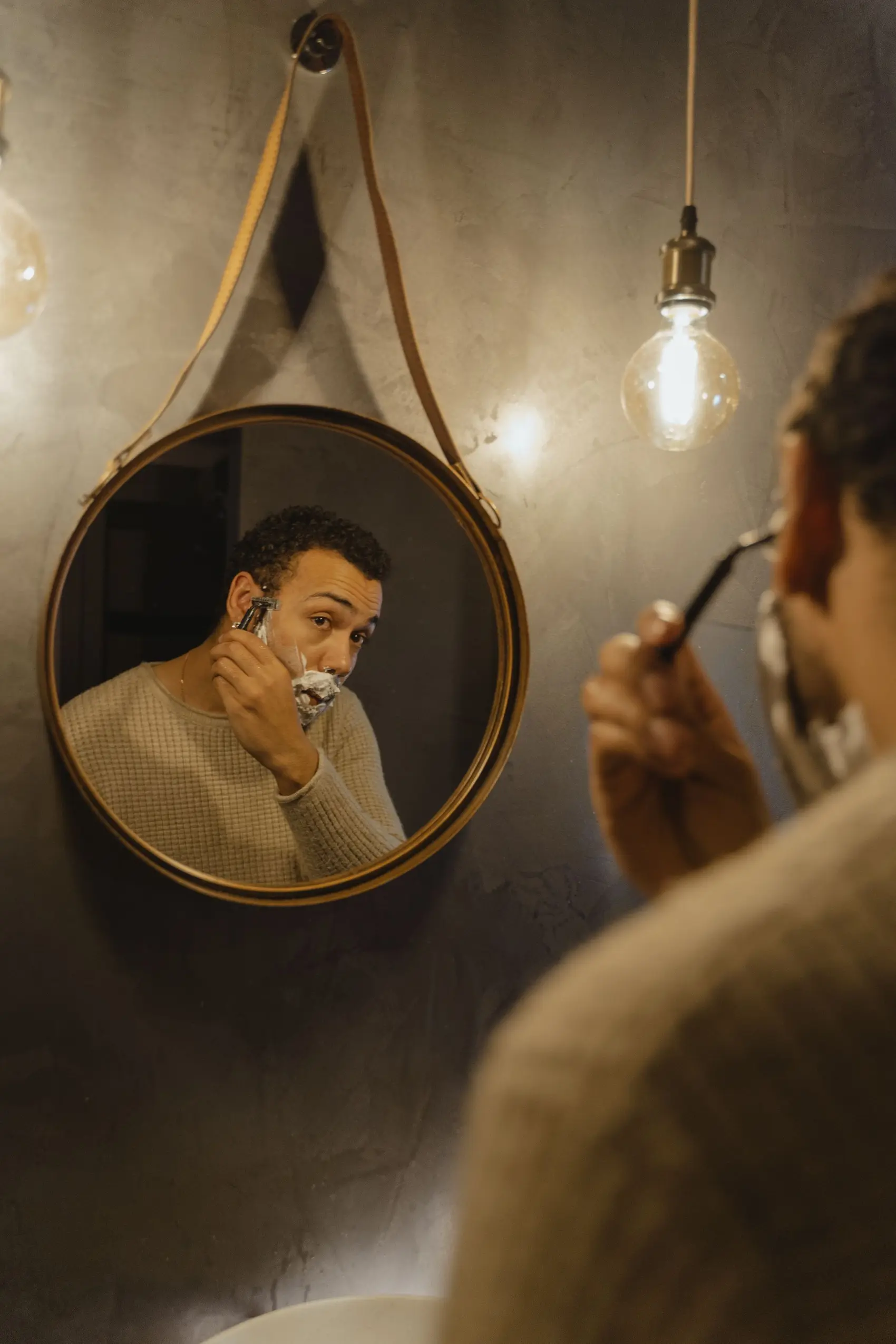
One of the never-ending debates among men: razor or electric? The first camp swears by the smooth finish, the second won't give up speed and convenience. From your skin's point of view, the question is a bit different: which method leaves less redness, stinging and bumps on your face?
Biomechanical studies on shaving describe a built-in conflict. The closer you want to cut the hair to the skin, the higher the chance of damaging the surrounding skin. A bad shave can trigger a noticeable inflammatory response in the skin, which you feel as stinging and redness.
Why is beard hair so tough?
Beard hair is different from other body hair. A review on male beard hair and facial skin explains that beard hairs are dense, thick and coarse, most have an elliptical cross-section and they exit the skin at a shallow angle. To cut these hairs, men often press down and go over the same area repeatedly. The review stresses that these two habits are exactly what raise the chance of irritation.
Wet shaving: close but demanding
A razor cuts the hair as close to skin level as possible and gives the smoothest result. But as the blade glides over the skin, it also takes a thin film off the outermost layer. In biomechanical studies comparing a low-quality disposable razor with a more advanced system, there were meaningful differences in skin blood flow and post-shave sensations. In other words, the quality, sharpness and lubricating strip of the razor really do make a difference.
Electric shaver: fast but not as close
Electric shavers keep the blade behind a protective foil or guard. That limits contact with the top layer of skin and leaves the hair slightly longer. It isn't as close as a razor, but for men prone to ingrown hairs and razor bumps, that slightly longer tip can become an advantage. A review on the condition caused by curly beard hairs growing back into the skin also lists avoiding a very close shave as one of the key recommendations.
The best shave isn't the closest one; it's the one your skin forgives you for when you look in the mirror the next morning.
Which one is right for you?
- If your skin is comfortable, your hair is straight and you want a smooth look: a wet shave with a sharp razor.
- If you often get ingrown hairs and bumps: an electric shaver or a trimmer that leaves the hair very short.
- If you shave every day and your skin gets worn out: an electric shaver a few days a week, a razor for special occasions.
- If your skin is very sensitive: before switching methods, review your prep and post-shave habits.
Rules that reduce irritation, whatever the method
- Wet your face with lukewarm water before shaving; hydrated hair is easier to cut.
- Use a lubricating shaving gel or cream for a wet shave.
- Shave in the direction of hair growth and don't press down.
- Don't go over the same area again and again; rinse the blade after each stroke.
- Don't hang on to a dull blade; replace your shaver's head at the intervals the manufacturer recommends.
- When you're done, rinse with cool water and apply an alcohol-free, soothing moisturizer.
When should you see a dermatologist?
If post-shave bumps last for weeks, get inflamed, leave marks or don't go away even after changing your method, see a dermatologist. Ingrown hairs, hair follicle inflammation and some fungal infections in the beard area can look alike, and telling them apart properly requires a doctor's evaluation.
Helpful as you build this routine
EcoProbiotic MenCare range ↗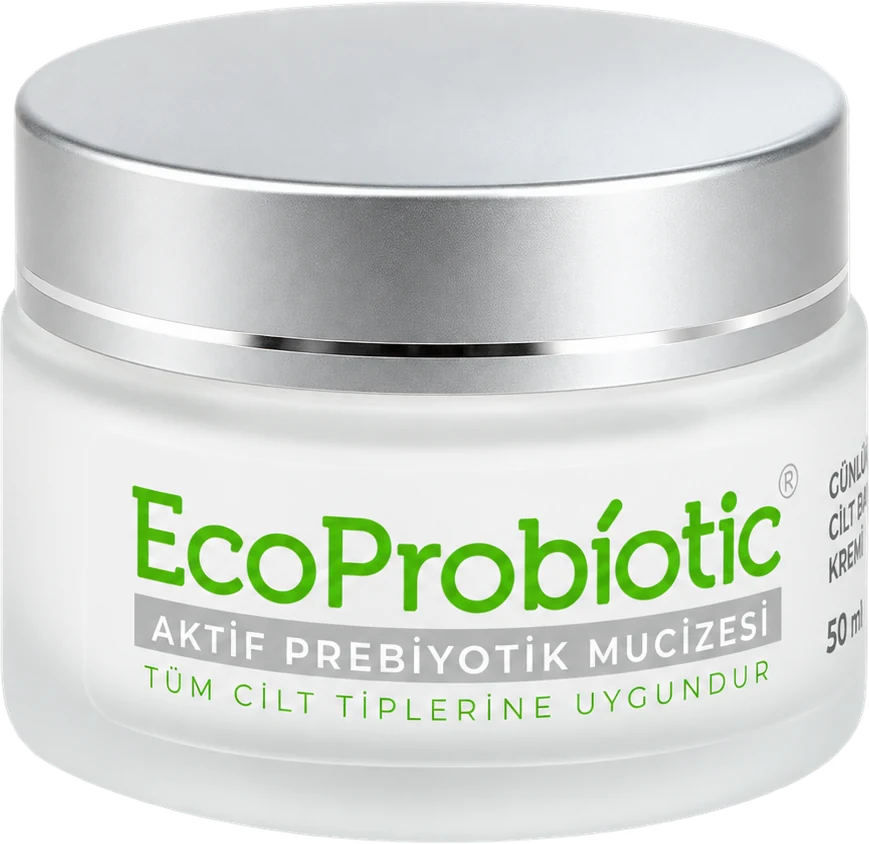
Sources
- 01The biomechanics of blade shaving
Cowley K, Vanoosthuyze K · International Journal of Cosmetic Science · 2016 · doi:10.1111/ics.12330
Examined the forces acting on skin and hair during shaving; showed that a poor shave can cause an inflammatory response and irritation and that razor features affect skin blood flow.
- 02The male beard hair and facial skin – challenges for shaving
Maurer M, Rietzler M, Burghardt R, Siebenhaar F · International Journal of Cosmetic Science · 2016 · doi:10.1111/ics.12328
Described how the dense, thick and coarse structure of beard hair leads to shaving with pressure and multiple strokes, which increases the chance of irritation.
- 03Pseudofolliculitis barbae; current treatment options
Ogunbiyi A · Clinical, Cosmetic and Investigational Dermatology · 2019 · doi:10.2147/CCID.S149250
Reviewed the inflammatory condition caused by hair growing back into the skin after shaving and the role of shaving habits in this process.
- 04How to shave
American Academy of Dermatology · AAD · 2024
Recommended wetting the skin before shaving, shaving in the direction of hair growth, rinsing the blade after each swipe and changing blades regularly.