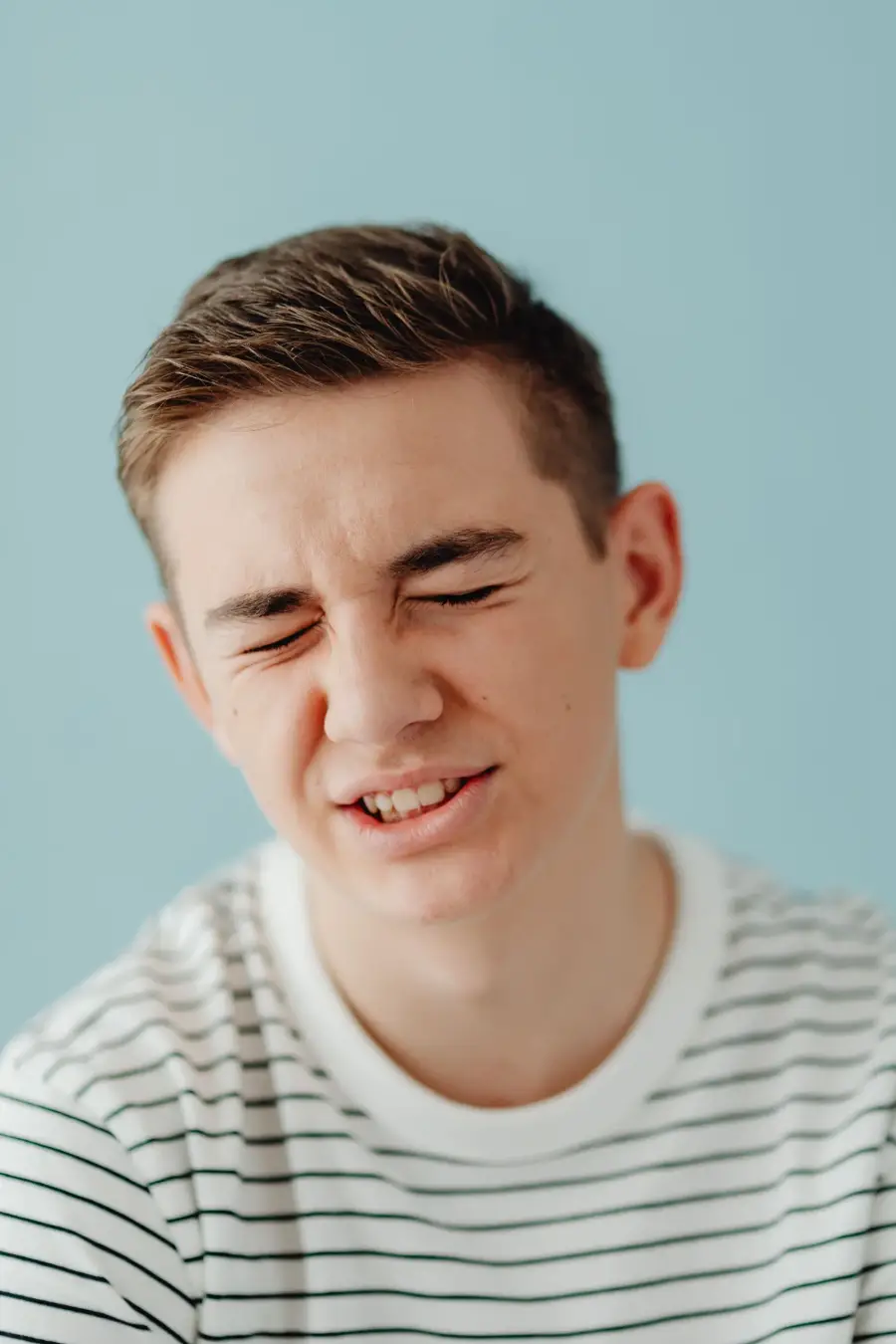
 13—19Ages 13–19The engine is running: the oil, sweat and first shave that come with testosteroneDuring puberty, rising testosterone switches on your oil glands, sweat glands and beard roots all at once. That's why acne, a shiny T-zone, your first shave and body odor all show up in the same years. With a routine of a few right steps, you can get through this stage without lasting marks.01Three steps are enough02Don't touch your pimples03Learn to shave the right wayPuberty guide →

Men's skin, beard & hair atlas
Your skin isyour first shield.
From razor burn to hair loss, from breakouts to sweat odour: why it happens, how it settles, which routine actually works. Backed by science, straight to the point.
22conditions6skin types11hair & beard types7life stages110terms
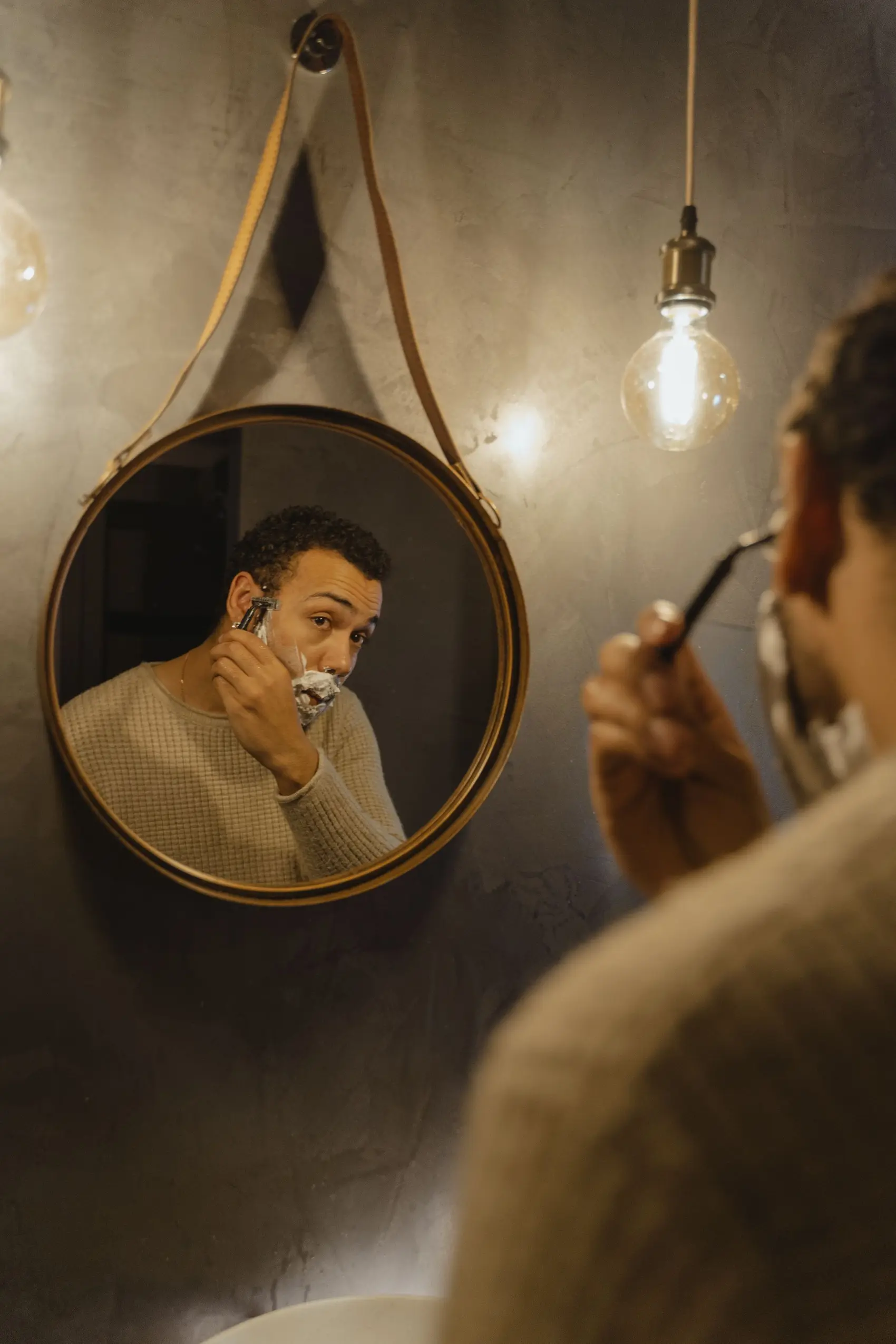
Conditions index · 22 topics
Every problemhas a cause.
From razor burn to hair loss, from back acne to athlete's foot: 22 topics. Each one explains why it happens, how it settles and a step-by-step routine.
 Featured in this section · Beard & shavingBeard folliculitis and beard itchYou decided to grow your beard, but now there's unbearable itching and small pus-filled spots at the base of the hairs? Folliculitis, an inflammation of the hair follicles, is a common problem for bearded men, but it usually clears up with the right care.30%Up to 30% of people carry the bacterium most often responsible for hair follicle inflammation in their nose, permanently and without symptoms.7topicsRead the guide →
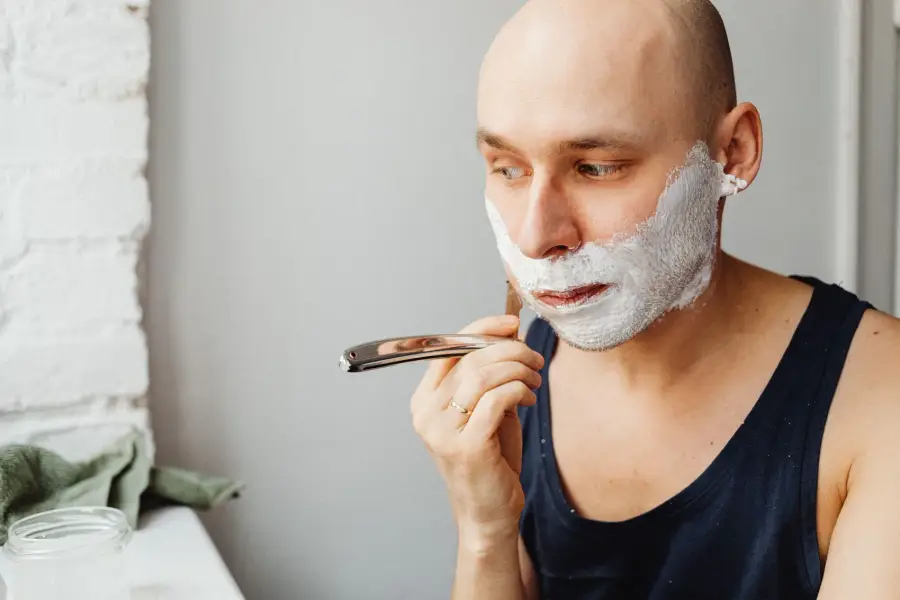 Beard & shavingShaving irritation (razor burn)02That burning, redness and stinging after a shave is something almost every man knows; but it isn't fate. Razor burn is usually the sum of the blade, your technique and your prep, and a few changes in habit can noticeably reduce it.57.6%In a study of 59 men, redness was measured on 57.6% of the shaved area right after shaving with a multi-blade cartridge razor; with a single-blade safety razor the figure was 40.3%.Cause · Solution · Routine
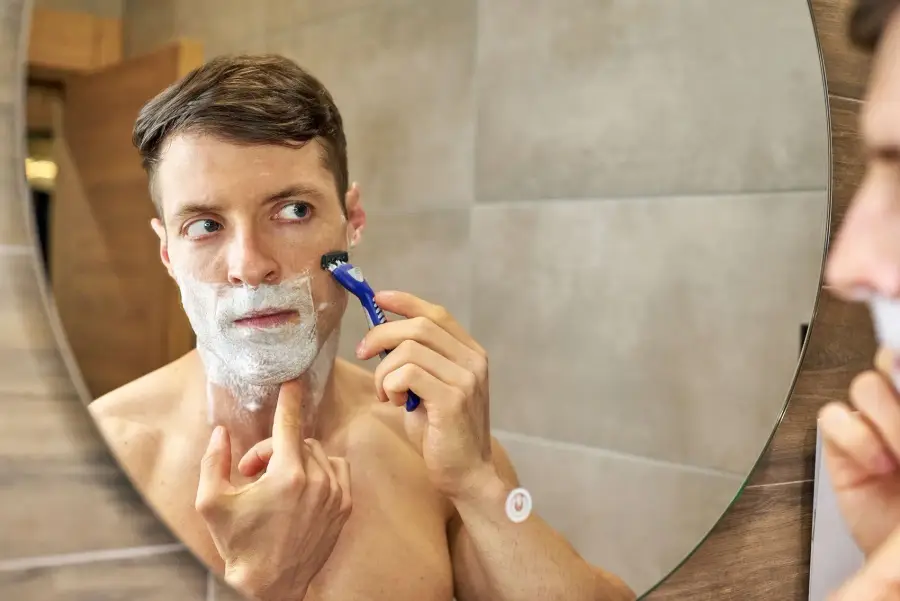 Beard & shavingIngrown hairs (pseudofolliculitis barbae)03Bumps that show up on your neck and under your jaw two or three days after shaving, itch, sometimes get inflamed and leave dark spots are usually not pimples but hairs growing back into the skin. Ingrown hairs can be stubborn, but once you understand the cause, they can be brought under control.6 timesPeople who carry a specific change in a keratin gene in the hair follicle have been reported to be about 6 times more likely to develop ingrown hairs (pseudofolliculitis barbae).Cause · Solution · Routine
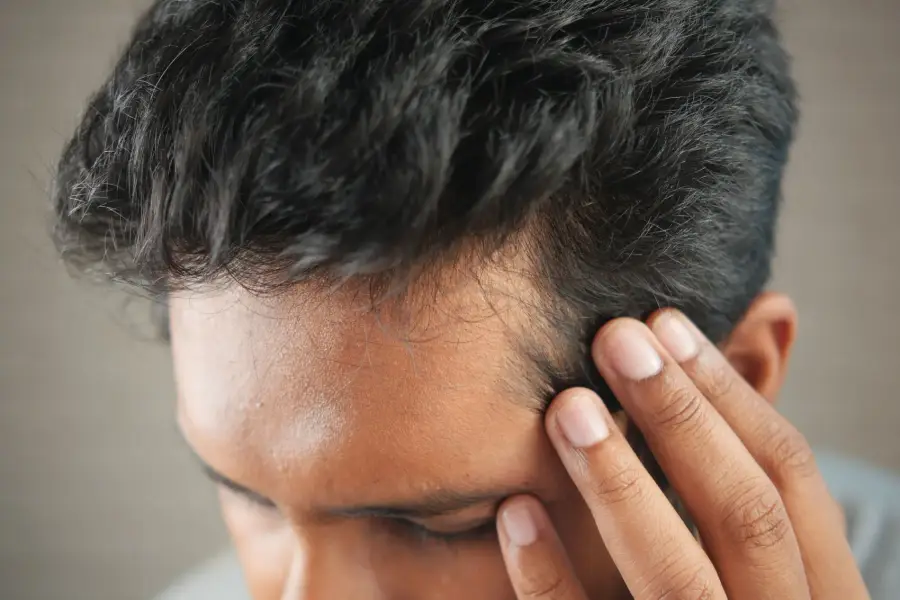 ScalpMale pattern hair loss04Your temples are receding, your crown is thinning, and every month the mirror shows a little more scalp. Male pattern hair loss is a slow process driven by genetics and hormones; the earlier you notice it, the wider your range of options.47.6%In a community study in Tokat, Turkey, where 1,034 men aged 20 and over were examined by dermatologists, androgenetic alopecia was found in 47.6% of the men.Cause · Solution · Routine
 FaceAcne05Acne isn't just a high-school problem; plenty of men in their twenties and thirties wake up to a fresh pimple in the mirror. Understanding how androgen hormones, sweat, helmets and friction come together with the right routine is the first step to getting your skin back under control.42.5%In a US survey of 1,013 people over age 20, 42.5% of men aged 20–29 reported having acne; the rate was still above 20% among men in their 30s.Cause · Solution · Routine
 ScalpDandruff06White flakes on the shoulders of your black T-shirt, the urge to scratch your head in a meeting. Dandruff isn't a hygiene problem; it's a cycle set up by oil, scalp yeast and a weakened barrier working together. Once you understand the cycle, it's easier to control than you think.Up to halfDandruff is an itchy, flaky scalp condition that affects up to half of the world's post-pubertal population.Cause · Solution · Routine
 BodyExcessive sweating and body odor07Sweat itself is odorless; the smell comes from bacteria in your armpits breaking sweat down. Excessive sweating isn't a 'weakness', as many men think, but a medical condition with a name and treatments. With the right product, the right fabric and, if needed, a doctor's help, both the wetness and the odor can be brought under control.4.8%In a US national sample of 8,160 people, the prevalence of excessive sweating (hyperhidrosis) was 4.8%; only half of those affected had discussed it with a healthcare professional.Cause · Solution · Routine
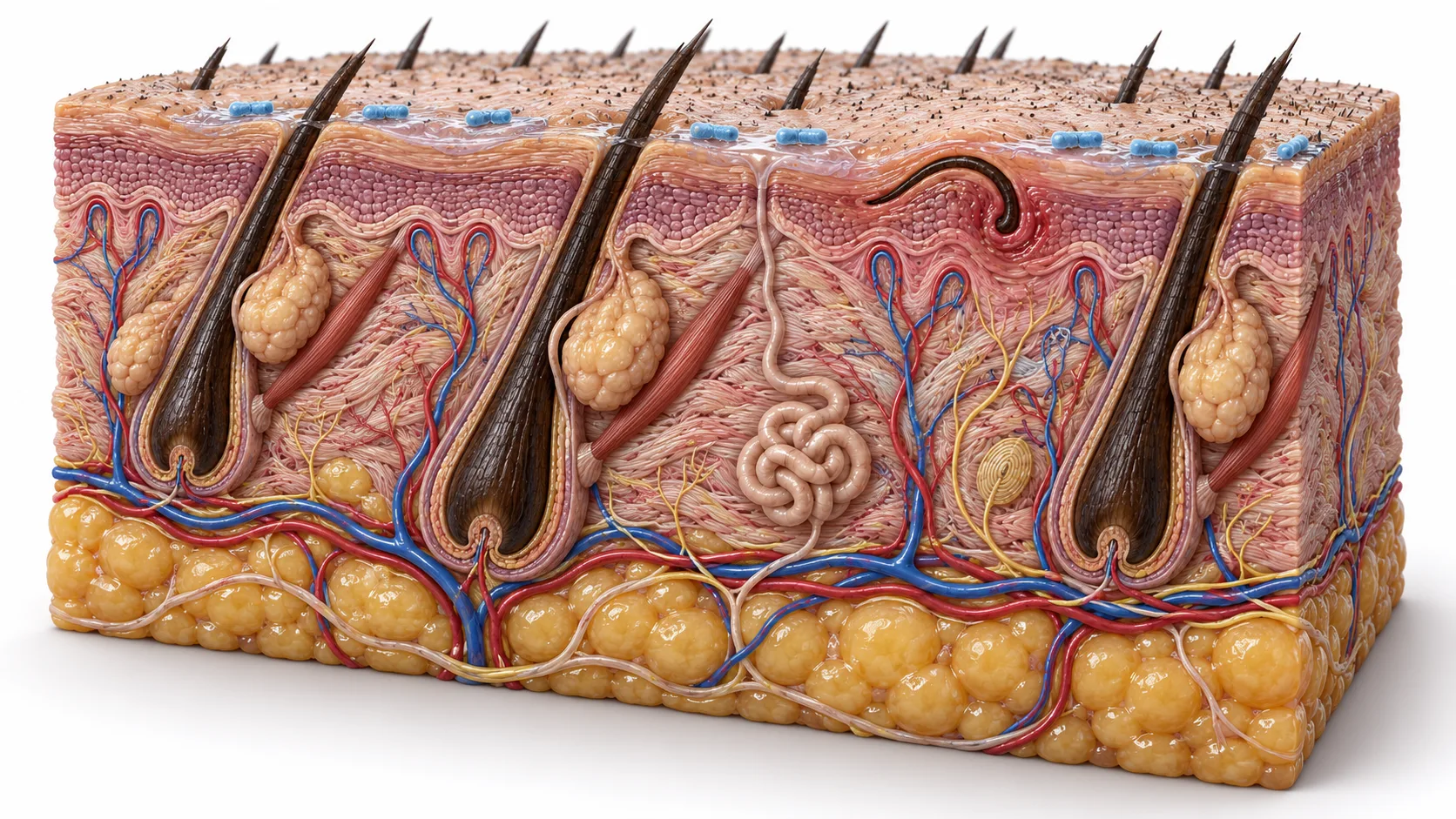
The architecture of men's skin
01Surface
A team works on the surface.
A community of bacteria and yeasts lives on top of your skin. When this team is in balance, skin stays calm. In men the surface is also shared with a beard: every shave touches this layer.
Surface microbiomeBeard hair (stubble)Sweat pore
Where's theproblem?
Pick an area of the face to see the most common problems there, why they happen and what to do.
Beard area
The area a razor touches every day: razor burn, ingrown hairs, inflamed hair roots and flaking under the beard.
Shaving irritation (razor burn)That burning, redness and stinging after a shave is something almost every man knows; but it isn't fate. Razor burn is usually the sum of the blade, your technique and your prep, and a few changes in habit can noticeably reduce it.Why it happens, how it settles →Ingrown hairs (pseudofolliculitis barbae)Bumps that show up on your neck and under your jaw two or three days after shaving, itch, sometimes get inflamed and leave dark spots are usually not pimples but hairs growing back into the skin. Ingrown hairs can be stubborn, but once you understand the cause, they can be brought under control.Why it happens, how it settles →Beard folliculitis and beard itchYou decided to grow your beard, but now there's unbearable itching and small pus-filled spots at the base of the hairs? Folliculitis, an inflammation of the hair follicles, is a common problem for bearded men, but it usually clears up with the right care.Why it happens, how it settles →Seborrheic dermatitis (face, eyebrows and beard)Beard dandruff falling onto your black T-shirt, red, greasy flakes between your eyebrows and along your nose: seborrheic dermatitis is a common, annoying but manageable condition in men. It doesn't disappear for good, but with the right routine it can stay quiet for long stretches.Why it happens, how it settles →
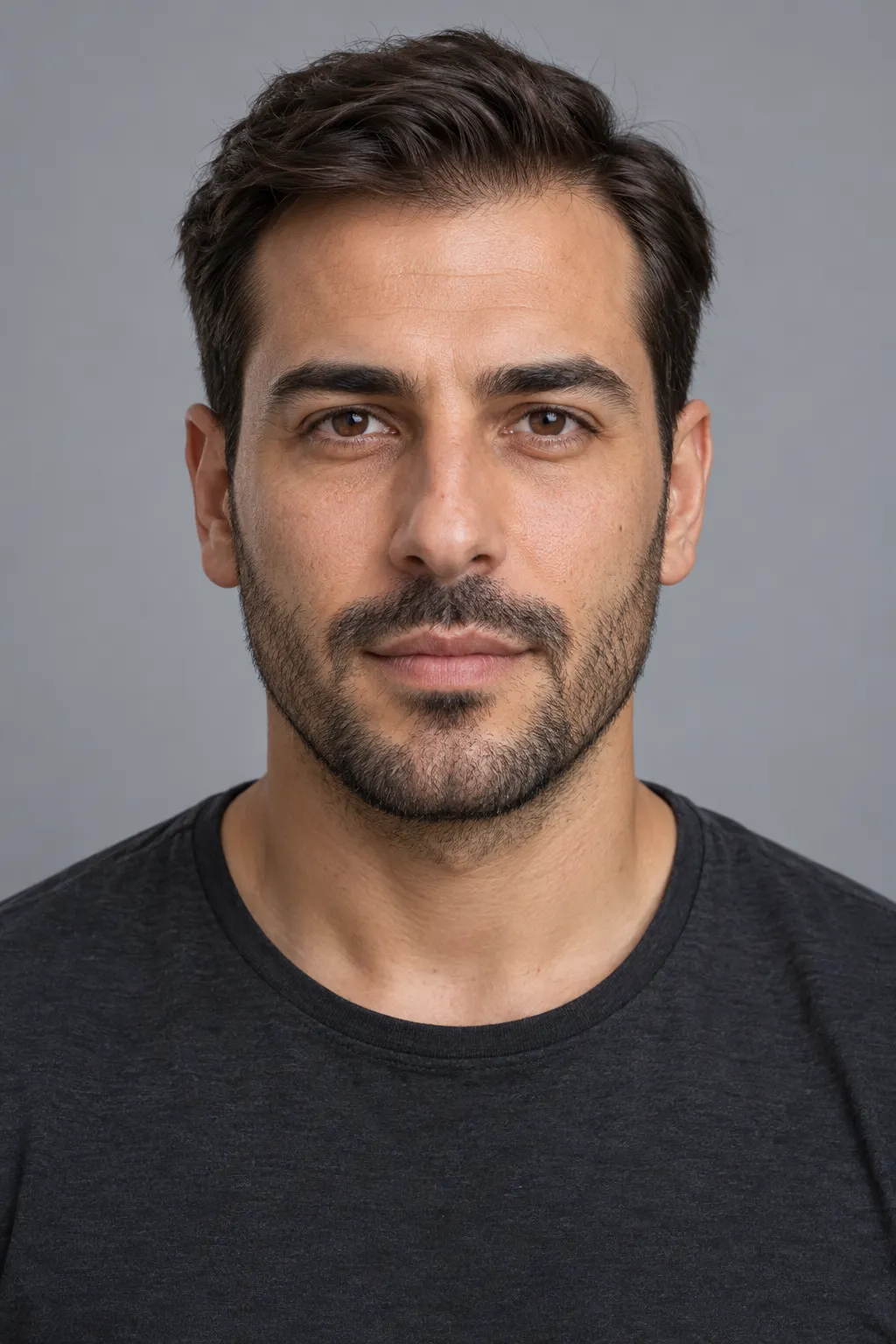
Know your skin,choose right.
Care chosen for the wrong type quietly wears the barrier down. How to recognise the six skin types, what each needs and what to watch when shaving: it is all here.
- 01Normal skin→
- 02Dry skin→
- 03Oily skin→
- 04Combination skin→
- 05Sensitive and shave-prone skin→
- 06Mature skin (45+)→



How to tell
- Blotting paper test: Wash your face with a gentle cleanser, pat it dry and wait 1 hour without applying anything. Press a separate clean tissue onto your forehead, nose, cheeks and chin. If the tissues show no marks at all, or only a light oil mark from the nose area, your skin is most likely normal.
- Your face doesn't feel noticeably tight or taut after washing.
The five-minute basics
Four steps.No more.
Cleanse01/04
Gel, not soap.
A face cleanser with a pH close to the skin's own that removes the day's oil, sweat and dirt without leaving skin tight. Morning and evening, with lukewarm water.
Shave02/04
With the grain, with a sharp blade.
Soften your face with lukewarm water, let the lather sit for a minute, shave in the direction of growth with few passes. Change blades often.
Moisturise03/04
Cream, not cologne.
After shaving, a moisturiser that supports the barrier instead of an alcohol splash. Creams with prebiotics can help support the skin’s natural balance.
Protect04/04
SPF 30 every morning.
Men use sunscreen the least. Against the biggest cause of wrinkles and dark spots this is the most effective step; on a bearded face a gel or spray works.
Hair, scalp and beard
Hair and beard bothgrow from skin.
A full head of hair and a tidy beard start with healthy skin. The scalp and the skin under the beard each have their own microbiome, their own barrier and their own problems.
 Short beard / stubbleStubble doesn't mean looking unkempt; with the right length and clean lines, it's one of the most groomed looks there is. The most common problems with a short beard are itching, ingrown hairs and irritation when lining it up. Here you'll find the steps to keep your short beard comfortable and neat.
 Long and full beardA long, full beard takes effort: keeping the hairs soft, keeping the skin underneath clean and moisturized, and maintaining the shape. Beard dandruff and itching are the most common complaints, and they usually ease with proper washing and moisturizing. Here you'll find a complete care routine for your long beard.
 Patchy and thin beardA beard that stays thin on the cheeks or has gaps in some areas is very common and is often entirely inherited. A beard can keep filling in throughout your twenties. With the right length, style and care, a thin beard can look groomed and full too.
Care by age
Every decade, a new skin.
Testosterone, oil, collagen and hair roots change with every stage. From the teens to 60+, plus one for men who train: scroll down to yours.
13—19Ages 13–19The engine is running: the oil, sweat and first shave that come with testosteroneDuring puberty, rising testosterone switches on your oil glands, sweat glands and beard roots all at once. That's why acne, a shiny T-zone, your first shave and body odor all show up in the same years. With a routine of a few right steps, you can get through this stage without lasting marks.01Three steps are enough02Don't touch your pimples03Learn to shave the right wayPuberty guide → 20+Ages 20–29Peak years: plenty of capital, and the spending has startedIn your 20s, testosterone, collagen and your skin's power to renew are at their highest. In those same years, late nights at work, lack of sleep, intense workouts, daily shaving and unprotected sun quietly spend that capital. A simple routine you set up now determines the skin you'll have in your 40s.01Sunscreen every day02Systematize your shave03Don't forget the skin under your beard20s guide →
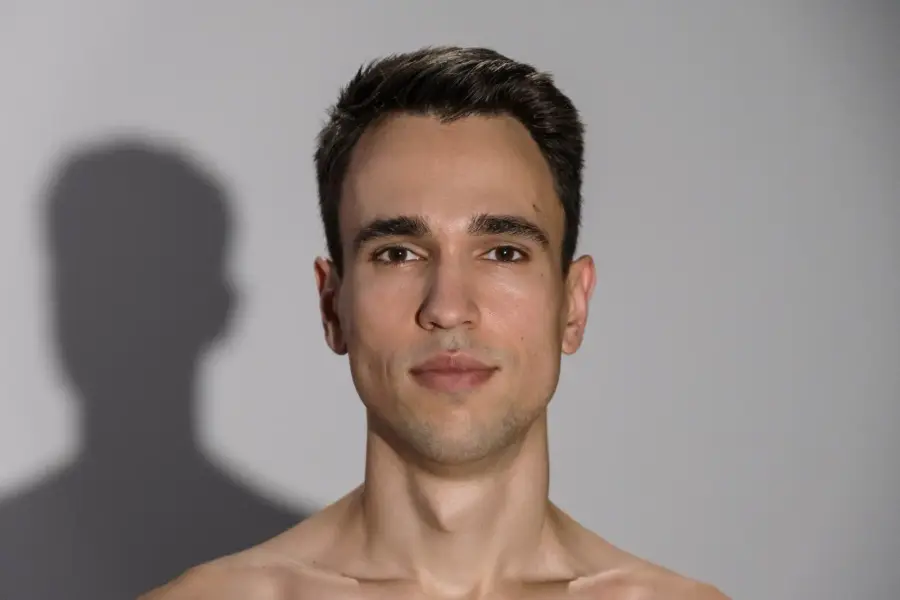 30+Ages 30–39The first lines have appeared: time to switch to protection modeIn your 30s, testosterone slowly starts to decline, collagen production slows, and the sun damage built up in your 20s becomes visible as forehead lines, crow's feet and spots. Stress from work, family and lack of sleep also shows on your skin and hair. It's the perfect time to add a renewing evening treatment to your sunscreen.01Sunscreen is non-negotiable02Renewing evening treatment03An antioxidant shield30s guide →
 40+Ages 40–49Midfield: hormones dropping, experience risingIn your 40s, testosterone decline can speed up, collagen loss settles in as deep lines, and skin dries out more easily, especially on the face and neck. The first gray hairs appear in your beard and at your temples. At this stage, a routine that strengthens the barrier, protects from the sun and renews regularly clearly makes a difference.01Strengthen your barrier02Use retinol regularly03Sunscreen and a hat40s guide →
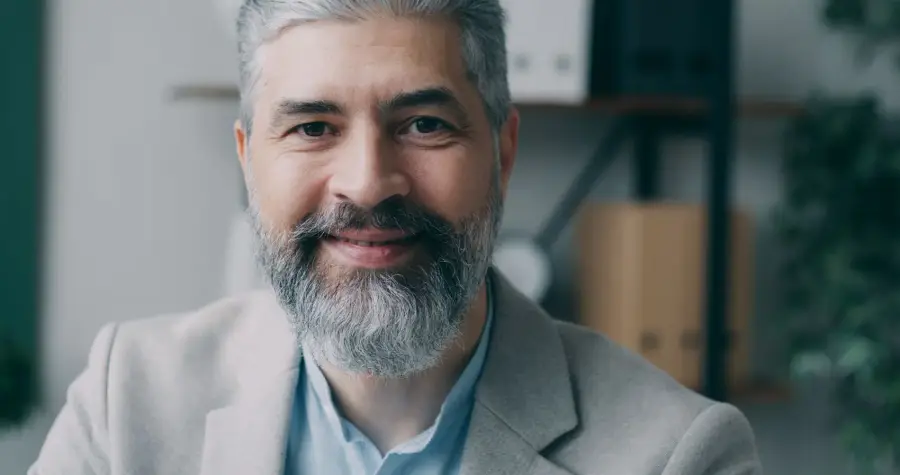 50+Ages 50–59The veteran squad: less speed, more protectionIn your 50s, your skin's renewal speed slows noticeably, moisture loss increases, and sun damage built up over the years surfaces as spots, hardened texture and sometimes scaly pink patches. The routine for this stage is built on gentle cleansing, strong barrier support, daily sun protection and regular skin checks.01The barrier comes first02Sun protection and checkups03Gentle renewal50s guide →
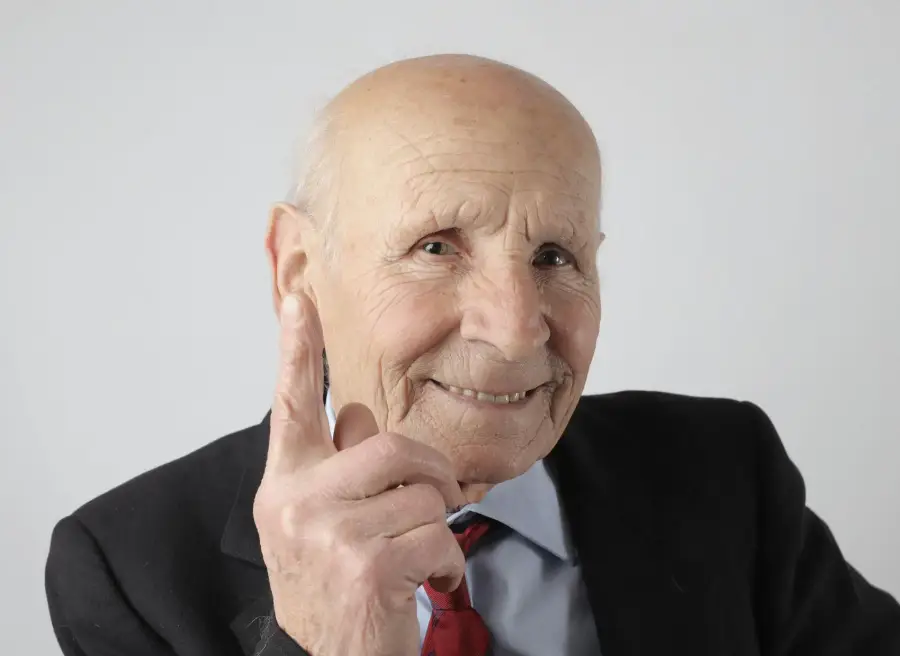 60+Ages 60 and overThe senior shield: strengthen your thinning armor every dayAfter 60, skin gets thinner, dries out easily, itches and recovers more slowly when injured. At this stage, the goal of skin care is less about looking young and more about helping your skin keep doing its job as a shield: gentle cleansing, daily moisturizing, sun protection, careful shaving and regular skin checks.01Moisturize twice a day02Lighten up on cleansing03Sun protection continues60 and over guide →
 24/7All agesSkin on the field: on the same team as sweat, friction and sunRegular exercise increases blood flow to the skin and is good for skin function in the long run. But sweat, friction, shared gym surfaces, pool chlorine and hours outdoors put a unique load on your skin. A few right habits before and after training greatly reduce acne, fungus and irritation.01Shower right after training02Keep your feet dry03Reduce frictionAthletic men guide →
MenCare · 4 products
From knowledgeto routine.
Atlas is EcoProbiotic's information platform for men. As you build your routine, pick the right product for each step from the prebiotic MenCare range for face, scalp and body.
01/04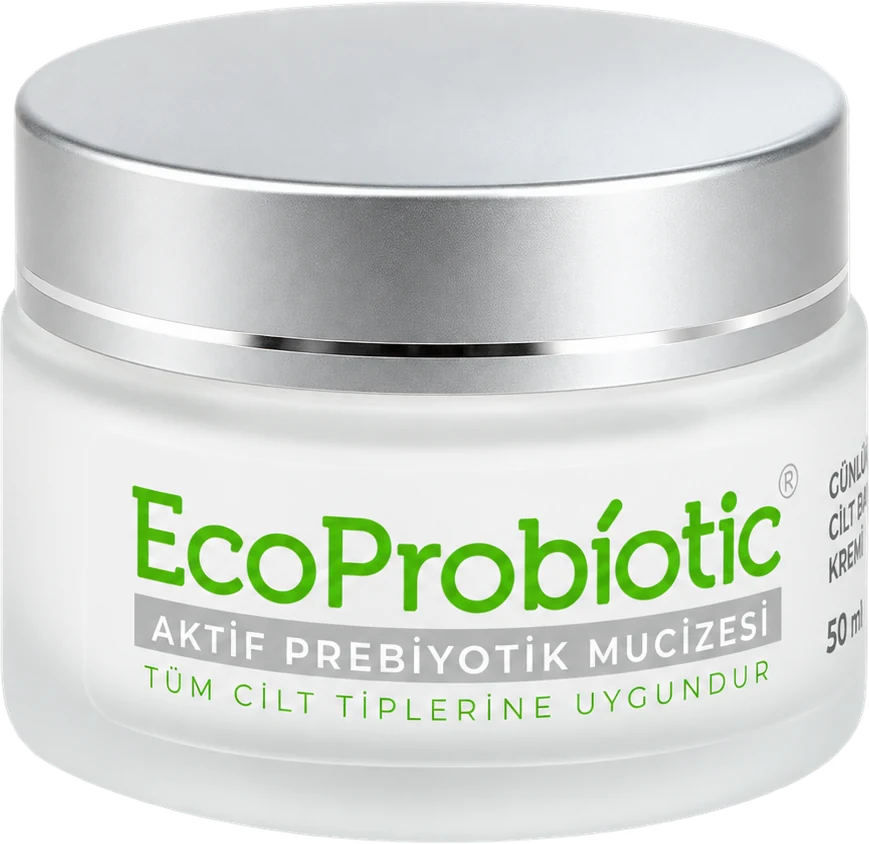 MoisturisingPrebiotic Face CreamView ↗02/04
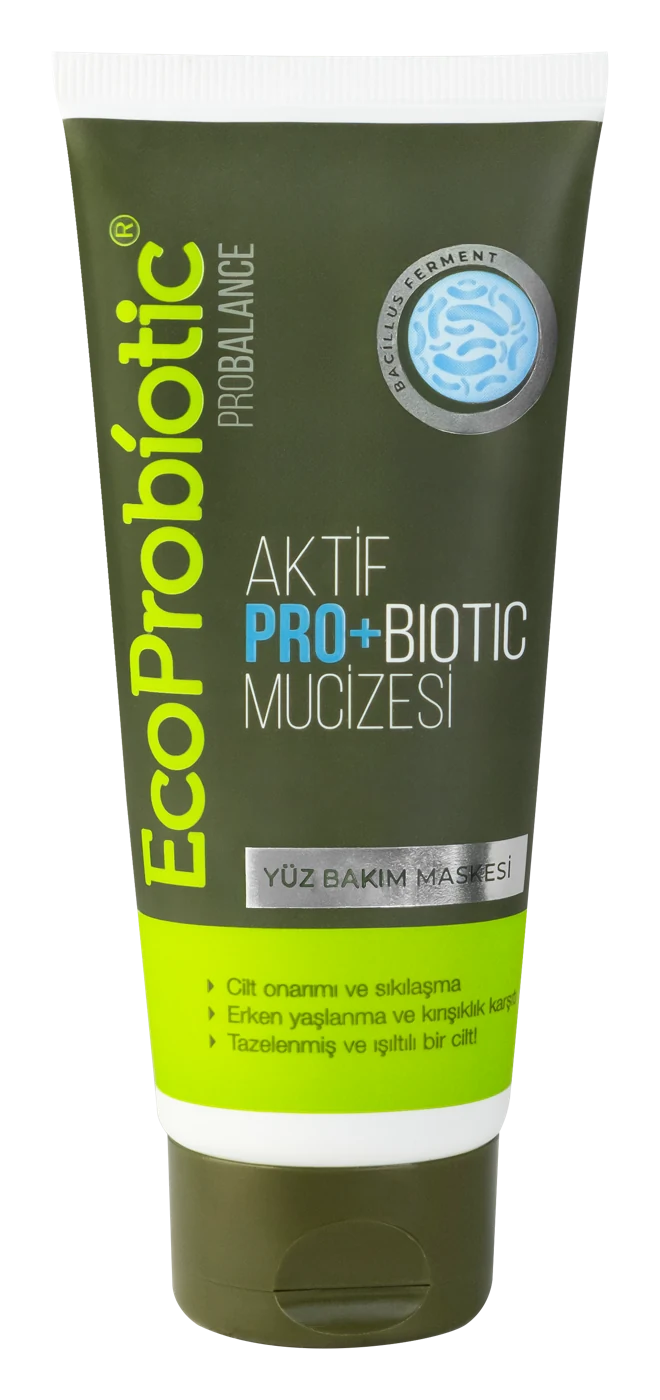 Weekly carePrebiotic Volcanic Clay MaskView ↗03/04
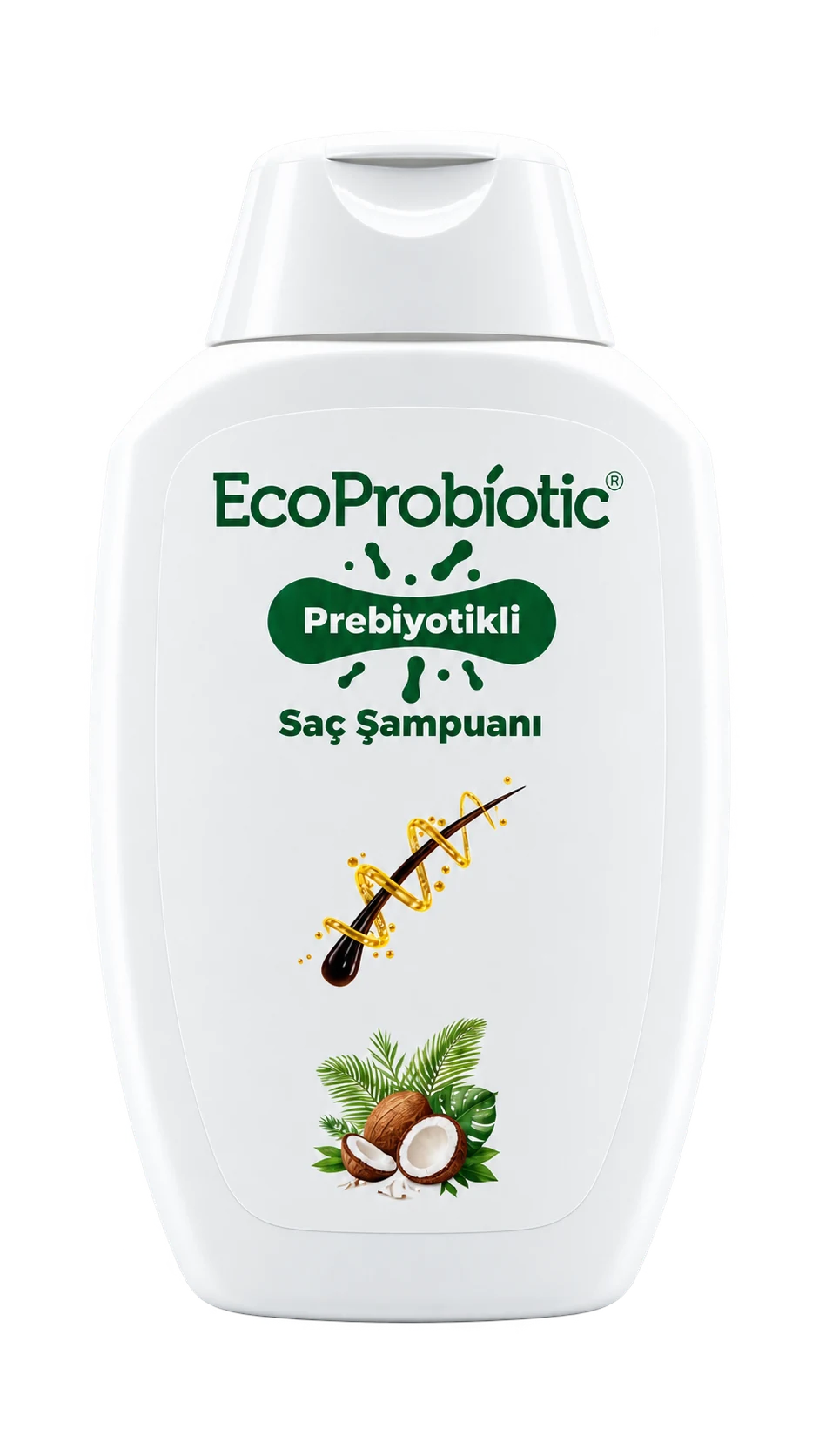 ScalpPrebiotic ShampooView ↗04/04
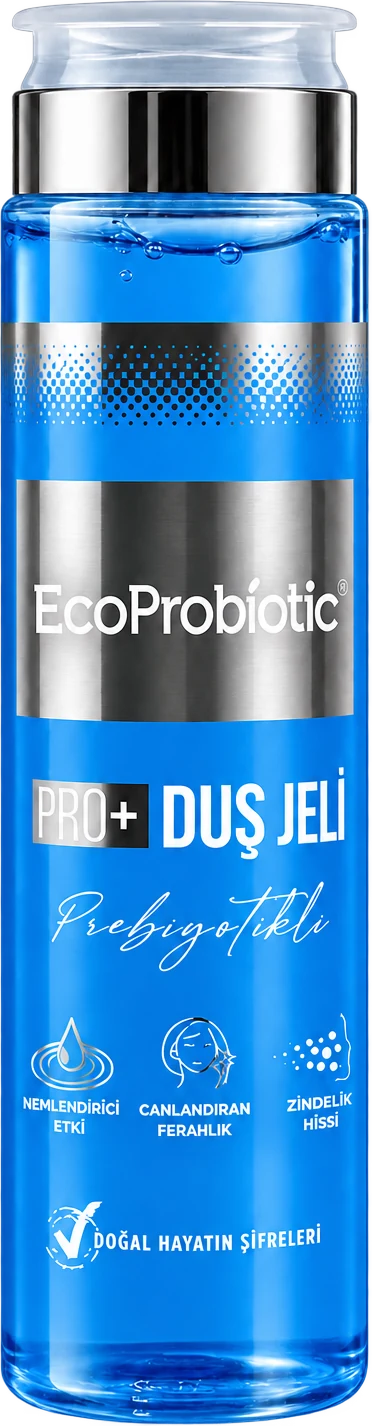 BodyPrebiotic Shower GelView ↗
Explore the MenCare store ↗MoisturisingPrebiotic Face CreamView ↗02/04Weekly carePrebiotic Volcanic Clay MaskView ↗03/04ScalpPrebiotic ShampooView ↗04/04BodyPrebiotic Shower GelView ↗Things you knowthat are wrong.
Tap a card to see what the science says.
✓FactThe number of blades alone isn't decisive. In one study, a single-blade safety razor caused less redness than a three-blade cartridge razor. What matters is a sharp blade, good prep and the right technique; you'll need to experiment to find which razor suits you.Shaving irritation (razor burn) →
✓FactMale pattern hair loss is about genetics and DHT; a clean hat or beanie doesn't suffocate your hair follicles. What to watch out for is wearing a sweaty, dirty cap for long periods and irritating your scalp.Male pattern hair loss →
✓FactAlthough acne fades with age for many men, about 42% of men aged 20–29 and one in five men in their 30s reported acne. Waiting for it to go away on its own can raise the risk of scarring.Acne →
✓FactDandruff isn't a hygiene problem; it comes from a combination of sebum, scalp yeast and personal predisposition. Men who wash their hair every day can get dandruff too; choosing the right shampoo matters more than how often you wash.Dandruff →
✓FactSweat is actually odorless. The smell is produced by certain bacteria in the armpit breaking down substances in sweat. Excessive sweating is a medical condition related to the nervous system that stimulates the sweat glands, not to hygiene.Excessive sweating and body odor →
✓FactAlthough darker skin is somewhat more resistant to sunburn, UVA rays break down collagen and cause spots in every skin type. In olive and darker skin tones, sun damage usually shows up more visibly as pigmentation and uneven tone.Sun damage and premature aging →
Personal skin analysis
8 questions. 2 minutes.Your routine.
Let's look at your skin type, shaving habits, main problems and lifestyle together. At the end, your morning and evening routine, the ingredients to watch and the guides worth reading are ready.
Start the analysis →Short, clear reads
All articles →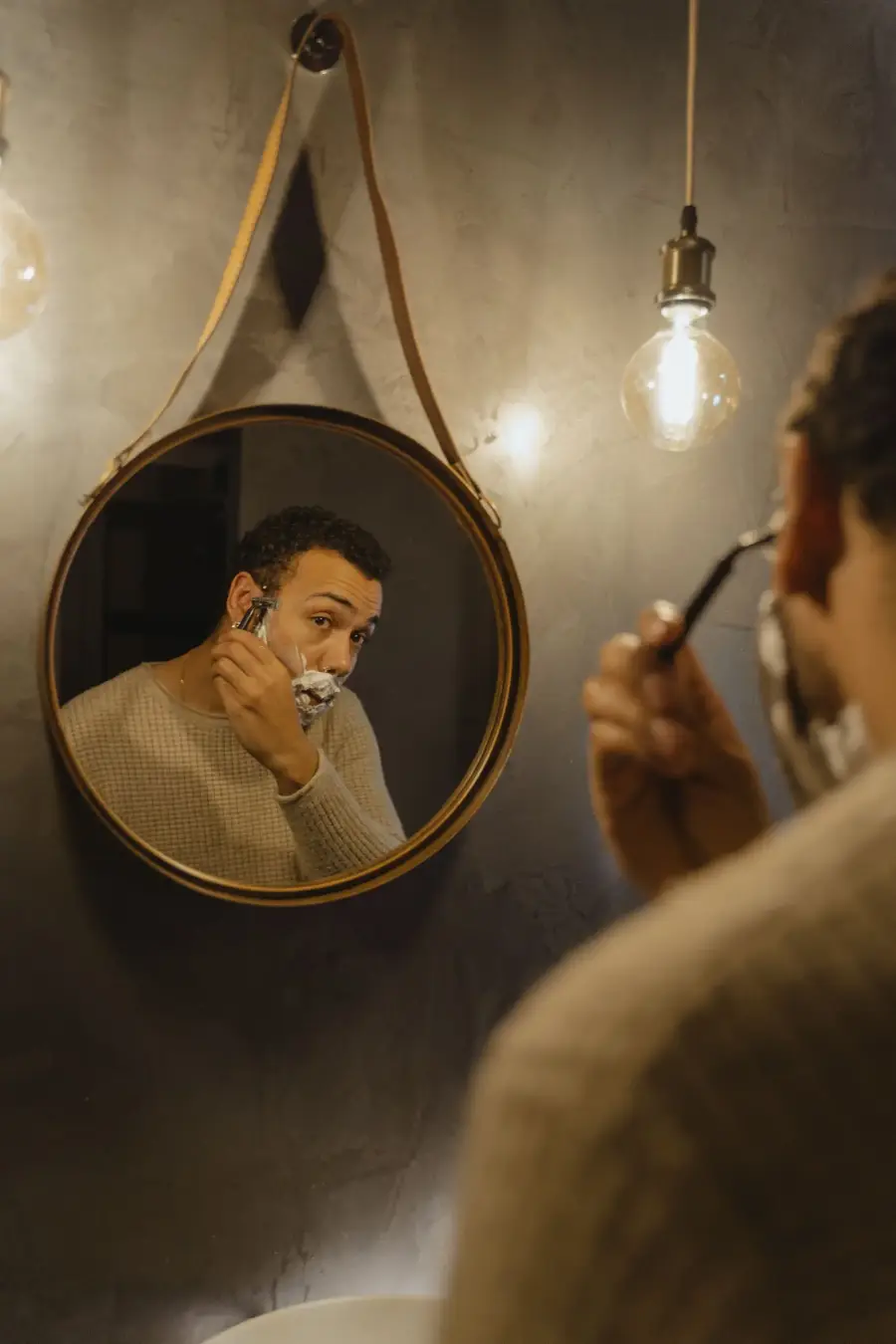 Shaving4 minWet shave or electric shaver? Which one is easier on your skin?
 Routine3 minThe five-minute men's skin care routine: cleanse, moisturize, protect
 Lifestyle4 minShowering after a workout: what does your skin need after training?
 Myth buster5 minHair loss myths: hats, frequent washing and more
Acid mantle/Acne/Acne mechanica/Aftershave/AHA/Alpha reductase/Alum block/Anagen/Androgen/Androgenetic alopecia/Antioxidant/Antiperspirant/Atopic dermatitis/Azelaic acid/Barrier/Beard balm/Beard dandruff/Beard itch/Beard oil/Benzoyl peroxide/BHA/Boil/Bromhidrosis/Catagen/Ceramide/Collagen/Comedone/Contact dermatitis/Dandruff/Dead skin cells/Deodorant/Dermatologist/Dermis/DHT/Electric shaver/Emollient/Epidermis/Exfoliation/Follicle/Folliculitis/Glycerin/Hair root/Hair transplant/Heat rash/Humectant/Hyaluronic acid/Hyperhidrosis/Hyperpigmentation/Ingrown hair/Intertrigo/Keratin/Keratinocyte/Lipids/Melanin/Microbiome/Microneedling/Miniaturization/Moisturizer/Multi-blade razor/Niacinamide/Non-comedogenic/Norwood scale/Occlusive/Oxidative stress/Panthenol/Peel/pH/Photoaging/Pigment/Platelet-rich plasma/Pore/Post-inflammatory hyperpigmentation/Postbiotic/Prebiotic/Probiotic/Pseudofolliculitis barbae/Psoriasis/Razor burn/Retinoid/Rhinophyma/Rosacea/Scalp/Sebaceous gland/Seborrheic dermatitis/Sebum/Shampoo/Shave oil/Shaving against the grain/Shaving brush/Shaving foam/Shaving gel/Skin type/Soothing agent/SPF/Stratum corneum/Stubble/Styling products/Telogen/Telogen effluvium/Testosterone/TEWL/Tinea/Toner/Topical hair growth medications/Urea/UV rays/Vellus hair/Vitamin C/Wet shaving/Xerosis/Acid mantle/Acne/Acne mechanica/Aftershave/AHA/Alpha reductase/Alum block/Anagen/Androgen/Androgenetic alopecia/Antioxidant/Antiperspirant/Atopic dermatitis/Azelaic acid/Barrier/Beard balm/Beard dandruff/Beard itch/Beard oil/Benzoyl peroxide/BHA/Boil/Bromhidrosis/Catagen/Ceramide/Collagen/Comedone/Contact dermatitis/Dandruff/Dead skin cells/Deodorant/Dermatologist/Dermis/DHT/Electric shaver/Emollient/Epidermis/Exfoliation/Follicle/Folliculitis/Glycerin/Hair root/Hair transplant/Heat rash/Humectant/Hyaluronic acid/Hyperhidrosis/Hyperpigmentation/Ingrown hair/Intertrigo/Keratin/Keratinocyte/Lipids/Melanin/Microbiome/Microneedling/Miniaturization/Moisturizer/Multi-blade razor/Niacinamide/Non-comedogenic/Norwood scale/Occlusive/Oxidative stress/Panthenol/Peel/pH/Photoaging/Pigment/Platelet-rich plasma/Pore/Post-inflammatory hyperpigmentation/Postbiotic/Prebiotic/Probiotic/Pseudofolliculitis barbae/Psoriasis/Razor burn/Retinoid/Rhinophyma/Rosacea/Scalp/Sebaceous gland/Seborrheic dermatitis/Sebum/Shampoo/Shave oil/Shaving against the grain/Shaving brush/Shaving foam/Shaving gel/Skin type/Soothing agent/SPF/Stratum corneum/Stubble/Styling products/Telogen/Telogen effluvium/Testosterone/TEWL/Tinea/Toner/Topical hair growth medications/Urea/UV rays/Vellus hair/Vitamin C/Wet shaving/Xerosis/