Definition
What is Ingrown hairs (pseudofolliculitis barbae)?
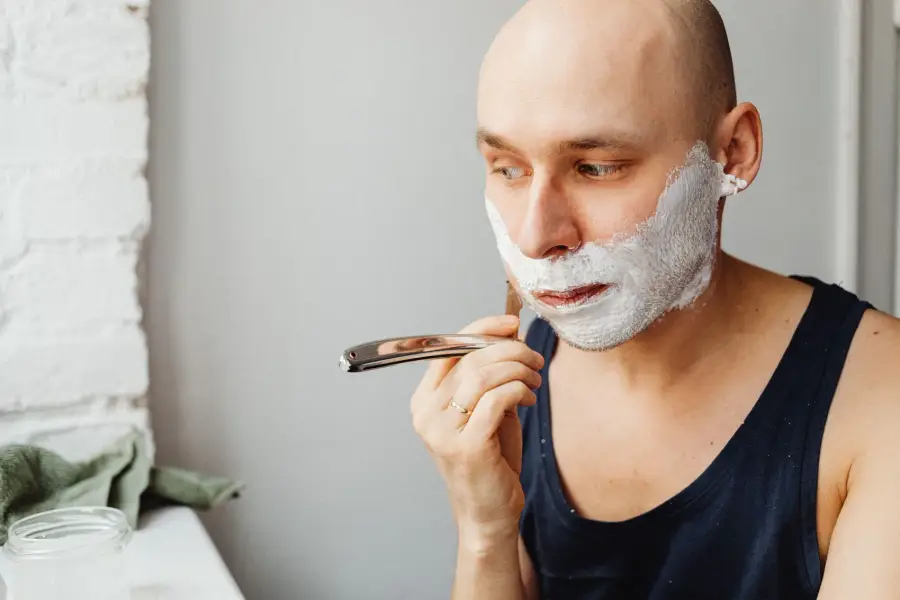
Ingrown hairs (medically, pseudofolliculitis barbae) are a chronic, inflammatory condition that occurs when the sharp tip of a shaved hair curls back and enters the skin. A hair growing from a curved follicle can curl around on itself as it grows and re-enter the skin (extrafollicular penetration), or a hair cut too short during shaving can pierce the wall of the hair canal before it reaches the surface (transfollicular penetration). The body treats this hair like a foreign object, and an inflamed bump forms around it.
Ingrown hairs are much more common and severe in men with curly, dense beards; however, they can also appear in men with straight beards, especially on the neck and under the jaw. Research shows that a change in a keratin gene in the hair follicle significantly raises the risk of ingrown hairs and that the problem is partly hereditary. In professions where men have to be clean-shaven every day, such as soldiers, police officers and security staff, ingrown hairs are described as a significant problem that affects working life too.
Ingrown hairs aren't just a cosmetic concern. Repeated inflammation can leave lasting dark spots (post-inflammatory hyperpigmentation), especially in men with darker skin, as well as scars and, rarely, raised scar tissue called keloids. The first and most effective step is changing your shaving habits; if that's not enough, creams your dermatologist recommends and options like permanent laser hair removal come into play.
Check yourself
How do you spot it?
- ✓Red or dark bumps that appear on the neck, under the jaw and on the cheeks 1–3 days after shaving
- ✓A hair visible in the center of some bumps or curled up under the skin
- ✓Itching, stinging and tenderness
- ✓Bumps that become inflamed and fill with pus
- ✓Dark spots left behind after the bumps clear
- ✓Hardening, scarring and, rarely, raised scar tissue in areas where it keeps recurring
- ✓Symptoms that ease noticeably when you take a break from shaving
Why it happens
Main causes
01
Curved follicles and curly beards
A hair growing from a curved follicle is much more prone to curling around on itself and re-entering the skin as it grows. That's why ingrown hairs are much more common and severe in men with curly beards.
02
Genetic predisposition
A specific change in a keratin gene in the hair follicle has been shown to raise the risk of ingrown hairs. This explains why some men get more ingrown hairs despite having the same shaving habits.
03
A very close, ultra-smooth shave
Shaving while pulling the skin taut, against the grain and over the same spot repeatedly cuts the hair below the skin's surface. A hair cut this way may pierce the canal wall as it grows instead of coming out to the surface.
04
Tweezing and waxing
Plucking hairs with tweezers or waxing damages the hair canal and can cause newly growing hair to change direction.
05
Mandatory shaving at work
Jobs that require a clean shave every day take away the option of taking a break from shaving and can cause ingrown hairs to become chronic.
In daily life
Triggers that cause flare-ups
Medical approach
Treatment options
01
Changing your shaving habits: the first step
Expert consensus studies recognize changing shaving and hair removal habits as first-line treatment. Taking a few weeks off from shaving or leaving your beard a few millimeters long with a trimmer noticeably reduces symptoms for many men.
02
Topical retinoids and exfoliating ingredients
Ingredients such as vitamin A–derived creams, glycolic acid and salicylic acid can reduce clogging at the opening of the hair canal, make it easier for hair to reach the surface and help fade dark spots. Your dermatologist will decide which product and how often is right for you.
03
Short-term treatments for inflammation
During inflamed periods, a dermatologist may recommend low-potency anti-inflammatory creams for a short time and, if a bacterial infection has developed, topical or oral antibiotics.
04
Laser hair removal
Laser hair removal, which permanently reduces hair follicles, is considered one of the most effective options for stubborn ingrown hairs. For men with darker skin, a laser type suited to the skin tone should be chosen to reduce the risk of dark spots and burns.
05
Treating dark spots and scars
For dark spots left after ingrown hairs are under control, a dermatologist may recommend brightening creams and mild chemical peels. If raised scar tissue has developed, it needs a separate evaluation.
Did you know? · Ingrown hairs (pseudofolliculitis barbae)
6 times · People who carry a specific change in a keratin gene in the hair follicle have been reported to be about 6 times more likely to develop ingrown hairs (pseudofolliculitis barbae).
Step by step
Care routine for Ingrown hairs (pseudofolliculitis barbae)
4 steps
- 01
Wet, well-prepped shaving
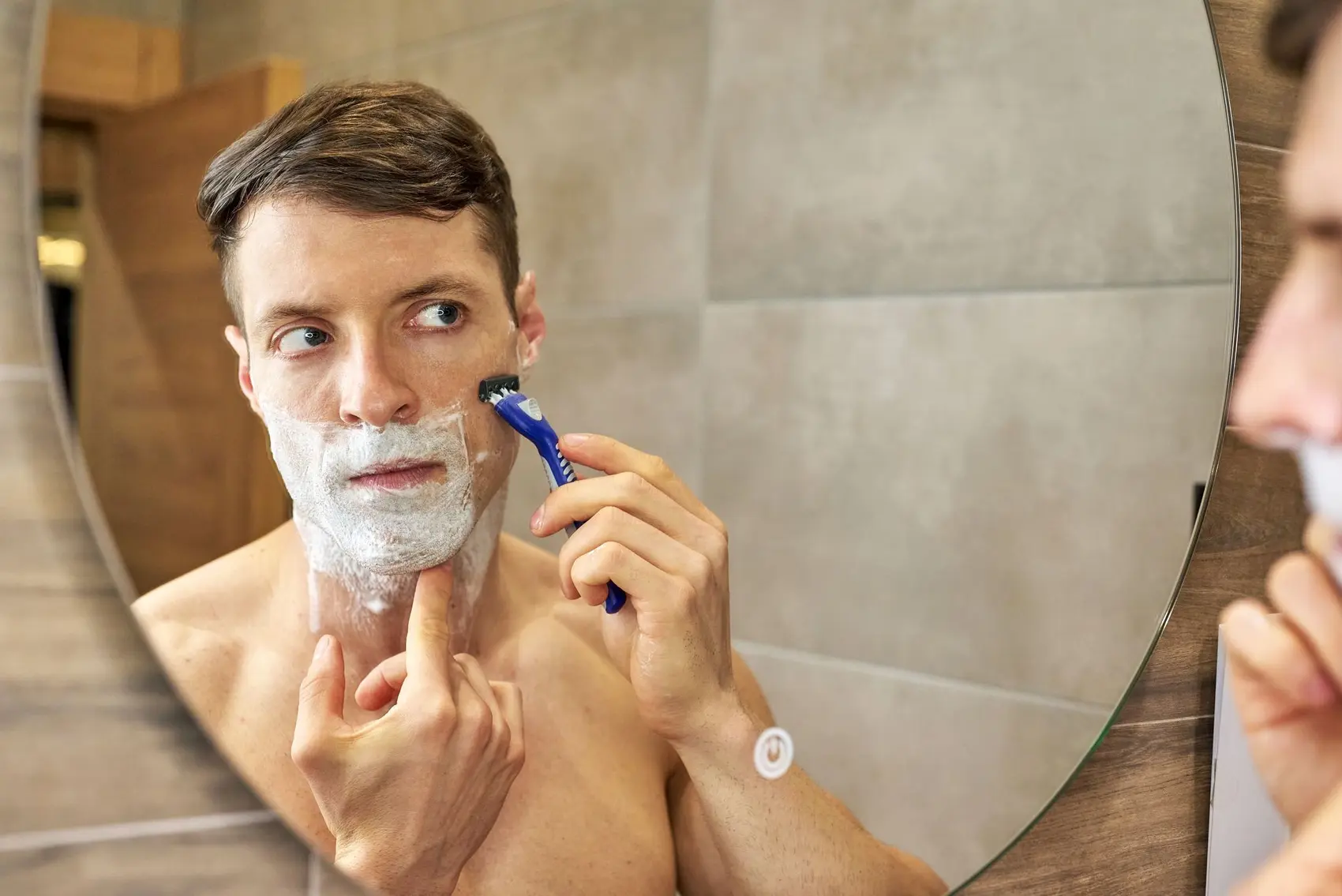
Before shaving, soften your face with lukewarm water for a few minutes and use an alcohol-free shaving gel.
- 02
With the grain, without stretching
Shave with the grain, without pulling the skin taut, using a single-blade razor or a trimmer that leaves the hair a few millimeters long.
- 03
Post-shave repair
Apply an alcohol-free aftershave balm or light moisturizer with prebiotics.
- 04
Sunscreen
The sun darkens ingrown hair marks; use a non-comedogenic sunscreen every morning.
Care you can use in your routine
EcoProbiotic MenCare range ↗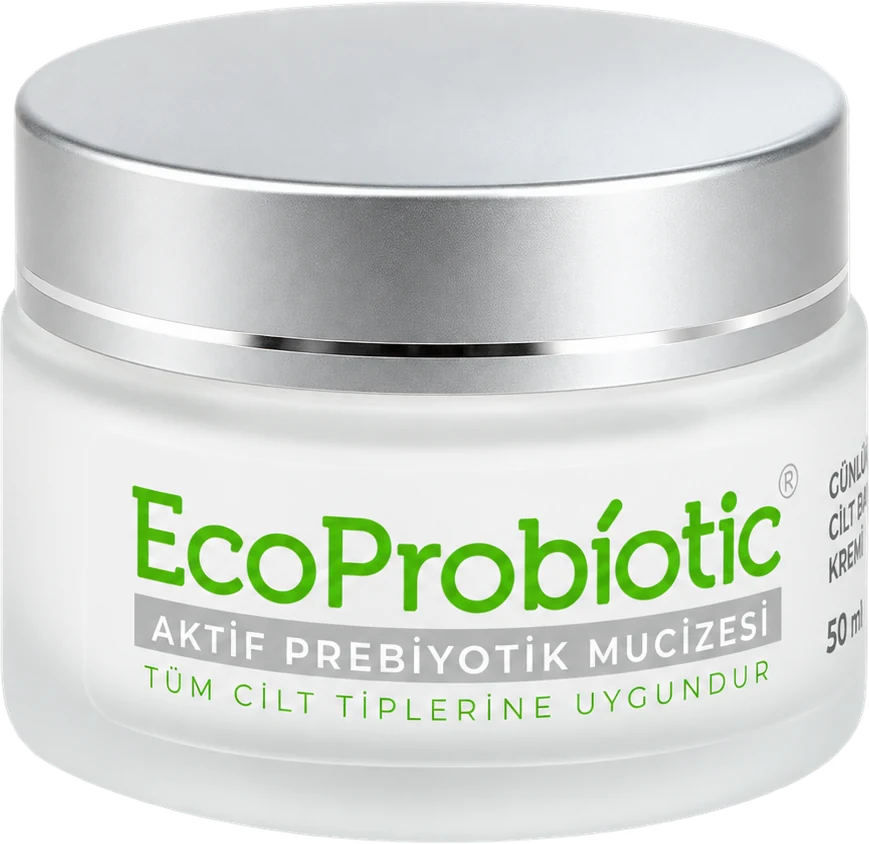 Moisturising01Prebiotic Face CreamA thin layer morning and evening; on shaving days, right after you shave. Moisturises the skin and supports its barrier.View ↗
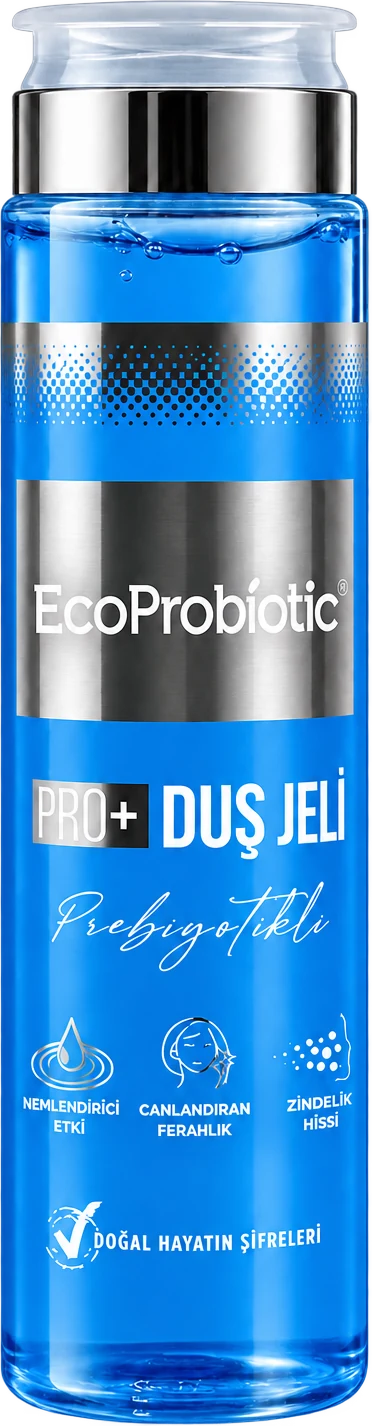 Body02Prebiotic Shower GelThoroughly cleanses the areas that hold sweat; moisturises the skin and supports its barrier. Morning or evening, every day.View ↗
Caution
What to avoid, and when to see a doctor?
Avoid these
- ✕Shaving against the grain while pulling the skin taut
- ✕Digging out ingrown hairs with a needle or tweezers
- ✕Squeezing bumps
- ✕Plucking hairs with tweezers and waxing
- ✕Using a dull blade
- ✕Alcohol-based aftershaves
- ✕Running a razor over the same spot again and again in the ingrown hair area
See a dermatologist
- →If the bumps are becoming inflamed, filling with pus or painful
- →If dark spots and scars have started to form
- →If raised, hard scar tissue (keloid) is developing
- →If your job requires you to shave every day and the problem continues
- →If there's no improvement within a few weeks despite changing your shaving habits
- →If you're considering laser hair removal
Common misconceptions
Myth or fact?
✕Common belief
Ingrown hairs are pimples and clear up with acne creams.
✓Fact
Ingrown hairs are a foreign body reaction caused by hair re-entering the skin. Some acne products can help, but the real solution is changing your shaving habits.
✕Common belief
A closer shave means fewer ingrown hairs.
✓Fact
Quite the opposite. A very close shave that cuts hair below the skin's surface increases the risk of ingrown hairs. Leaving the hair a few millimeters long noticeably reduces the problem for many men.
✕Common belief
Only men with curly beards get ingrown hairs.
✓Fact
They're much more common with curly beards, but anyone who shaves can get them, especially on the neck and under the jaw.
Popular searches
Most asked about Ingrown hairs (pseudofolliculitis barbae)
Your questions
Frequently asked questions
01How do I get an ingrown hair out?+
If the tip of the hair is visible at the surface, you can soften it with a warm compress and then gently lift it to the surface with a sterile tool. Don't pluck the hair out by the root, and don't dig into the skin for deeper hairs; that raises the risk of inflammation and scarring.
02How can I tell ingrown hairs from beard folliculitis?+
With ingrown hairs, you may see a hair in the center of the bump or curled up under the skin, and symptoms ease noticeably when you stop shaving. With folliculitis, there are small pus-filled spots at the hair follicles, and it can continue regardless of shaving. Since the two can occur together, a dermatologist makes the distinction.
03Do ingrown hair dark spots fade?+
Dark spots usually fade over months; preventing new inflammation and using sunscreen speeds up the process. Brightening creams and mild peels your dermatologist recommends can also help.
04Will laser hair removal get rid of ingrown hairs for good?+
Because laser hair removal permanently reduces hair follicles, it's seen as one of the most effective options for stubborn ingrown hairs. Several sessions are needed and the right laser type must be chosen for darker skin; planning your beard shape in advance is important.
05If I grow a beard, will my ingrown hairs go away?+
For most men, yes, they decrease noticeably. Once the hair is long enough, the chance of it re-entering the skin drops. If you don't want a full beard, trimming with a clipper that leaves the hair a few millimeters long also works.
06Which razor is better for ingrown hairs?+
Experts haven't reached a consensus on multi-blade razors. The general advice is a sharp blade, shaving with the grain and few passes over the same area. For some men, a single-blade razor or a trimmer that leaves the hair a few millimeters long gives better results.
Scientific basis
Sources
- 01Pseudofolliculitis barbae; current treatment options
Ogunbiyi A · Clinical, Cosmetic and Investigational Dermatology · 2019 · doi:10.2147/CCID.S149250
Summarized that ingrown hairs are linked to curved hair follicles and shaving, that the risk is six times higher in people carrying a specific keratin gene change, and that stopping shaving usually resolves the condition.
- 02Defining pseudofolliculitis barbae in 2001: a review of the literature and current trends
Perry PK, Cook-Bolden FE, Rahman Z, et al. · Journal of the American Academy of Dermatology · 2002 · doi:10.1067/mjd.2002.120789
Stated that ingrown hairs are a multifactorial condition in which follicle shape, hair structure and growth direction all play a role, and that prevention and early intervention are the foundation of treatment.
- 03An unusual Ala12Thr polymorphism in the 1A alpha-helical segment of the companion layer-specific keratin K6hf: evidence for a risk factor in the etiology of the common hair disorder pseudofolliculitis barbae
Winter H, Schissel D, Parry DA, et al. · Journal of Investigative Dermatology · 2004 · doi:10.1111/j.0022-202X.2004.22309.x
Used family and population studies to show that a change in a keratin gene in the hair follicle is an additional genetic risk factor for ingrown hairs.
- 04Folliculitis keloidalis nuchae and pseudofolliculitis barbae: are prevention and effective treatment within reach?
Alexis A, Heath CR, Halder RM · Dermatologic Clinics · 2014 · doi:10.1016/j.det.2013.12.001
Emphasized that ingrown hairs disproportionately affect men of African descent and that treatment should combine medication, procedures and behavior changes.
- 05Pseudofolliculitis Barbae: A Review of Current Treatment Options
Nussbaum D, Friedman A · Journal of Drugs in Dermatology · 2019
Stated that ingrown hairs can occur in anyone who shaves, are more common in people with curly hair, and that the most effective approach combines changes in shaving habits with topical treatments.
- 06Pseudofolliculitis Barbae in the U.S. Military, a Review
Tshudy MT, Cho S · Military Medicine · 2021 · doi:10.1093/milmed/usaa243
Showed that ingrown hairs are a common problem among military personnel required to shave, with shaving techniques and creams working best in mild to moderate cases and lasers in severe cases.
- 07Review of treatments for pseudofolliculitis barbae
Dalia Y, Khatib J, Odens H, Patel T · Clinical and Experimental Dermatology · 2023 · doi:10.1093/ced/llad075
Reviewed the available treatment options for ingrown hairs, including shaving changes, topical treatments and lasers, along with their evidence.
- 08Best Practices for Managing Pseudofolliculitis Barbae: An Expert Consensus Delphi Study
Alomary SA, Baker NJ, Ugwueke G, et al. · JAMA Dermatology · 2026 · doi:10.1001/jamadermatol.2026.3579
Expert dermatologists agreed that changing hair removal habits is first-line treatment and endorsed laser hair removal; no consensus was reached on multi-blade razors.
- 09Pseudofolliculitis barbae
DermNet · DermNet NZ · 2023
Explains the symptoms of ingrown hairs, the transfollicular and extrafollicular penetration mechanisms and shaving tips in patient-friendly language.