Definition
What is Seborrheic dermatitis (face, eyebrows and beard)?
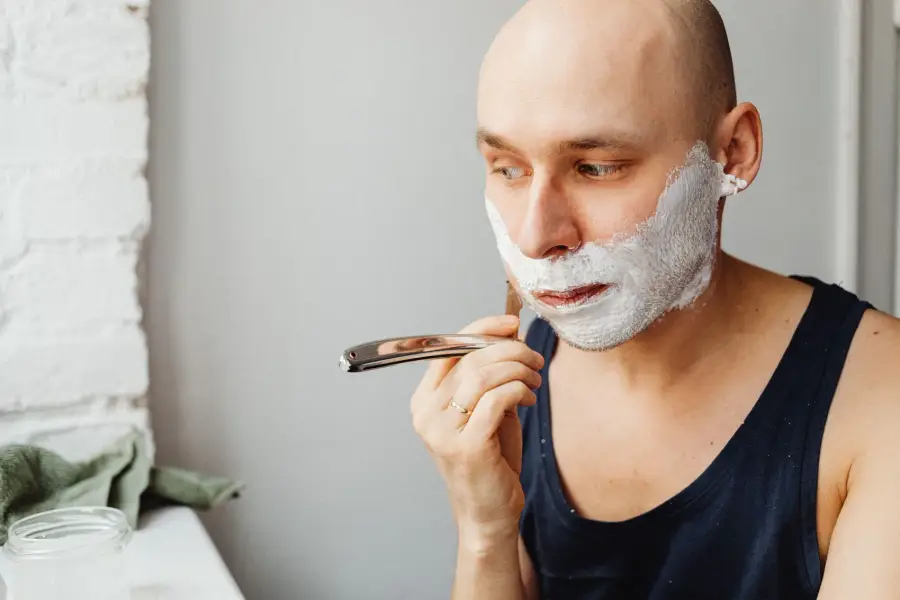
Seborrheic dermatitis is a chronic, recurring inflammatory skin condition that appears in areas rich in oil glands. It's the face, eyebrow and beard counterpart of what's known as dandruff on the scalp. The most commonly affected spots are inside and between the eyebrows, the creases beside the nostrils, the forehead hairline, behind the ears, and under the mustache and beard. Greasy, yellowish or white flakes on a red background, along with itching, are typical.
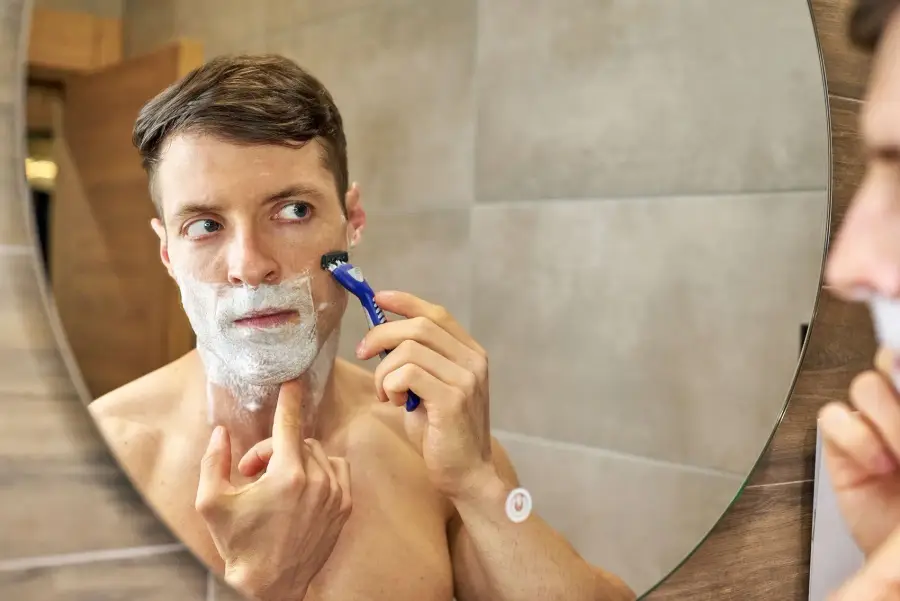
Seborrheic dermatitis is more common in men than in women; one reason is oil glands that are more active under the influence of androgen hormones. A beard affects the problem in two ways: the hairs trap sebum and flakes, creating a warm, moist environment where yeast can multiply, and they also make it harder to see the skin and get the right product onto it. That's why many men mistake beard dandruff for a "dry beard," apply oil and unknowingly make things worse.
The condition is not contagious and isn't caused by poor hygiene. It flares up during periods of stress, lack of sleep, cold and dry weather, heavy workloads and illness, and may calm down a bit in summer with sunlight. There's no permanent "cure"; but with regular care and, when needed, treatments your dermatologist recommends, symptoms can be kept under control for long periods.
Check yourself
How do you spot it?
- ✓White or yellowish, greasy flakes under the beard and mustache (beard dandruff)
- ✓Flaking inside and between the eyebrows
- ✓Redness along the sides of the nostrils and in the cheek folds
- ✓Flaking at the forehead hairline and temples
- ✓Itchy flaking behind the ears and in the ear canal
- ✓Itching and burning under the beard, especially in the evening
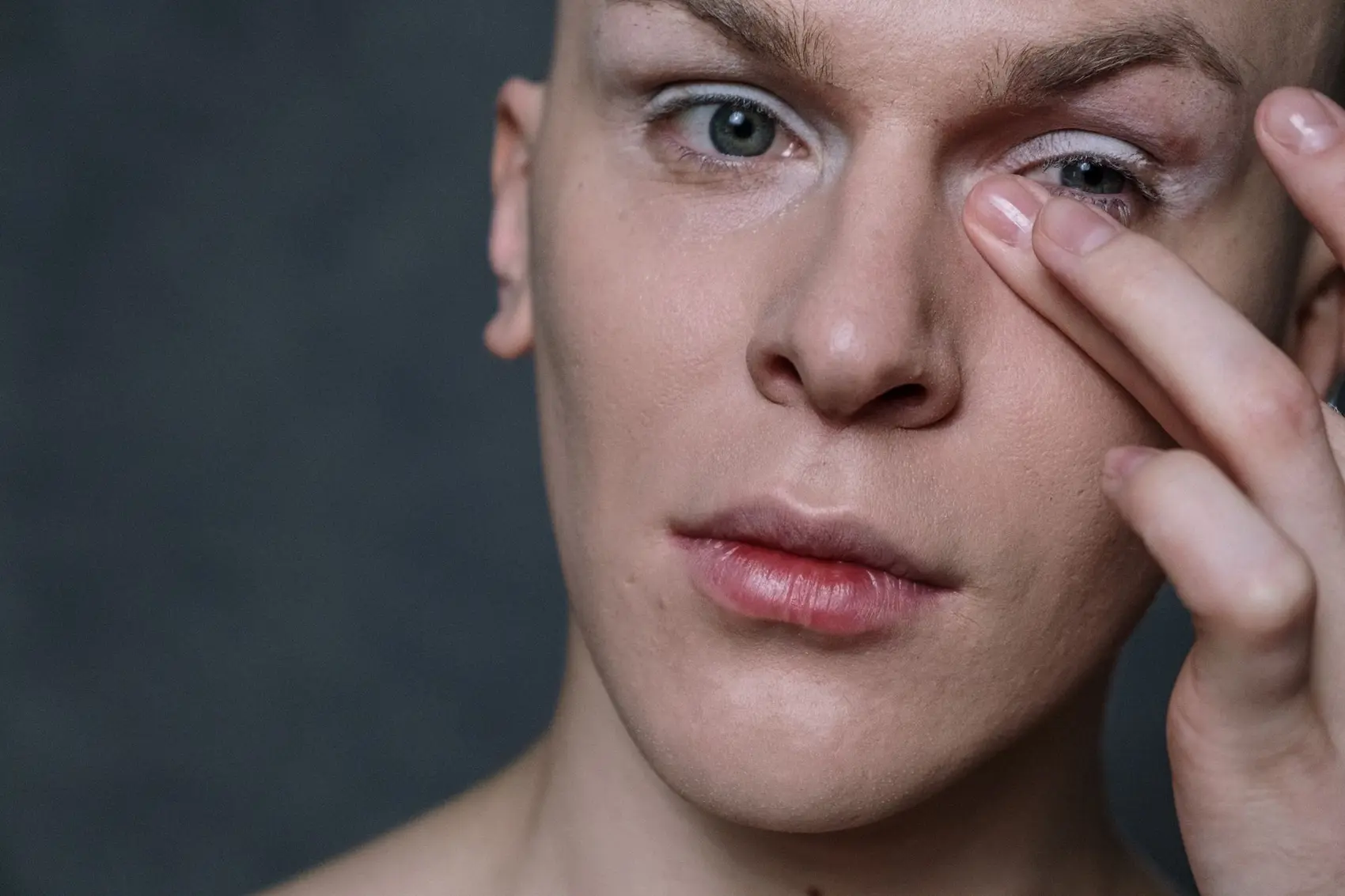
- ✓Flaking and redness along the eyelid margins
- ✓Dandruff on the scalp at the same time
Why it happens
Main causes
01
Active oil glands
The condition shows up in areas where sebum is abundant. In men, oil glands are more active due to androgens; this is one reason seborrheic dermatitis is more common in men.
02
Skin yeast and the immune response
The problem isn't the presence of the yeast but the skin's immune system overreacting to it and the substances it produces. That's why products that rebalance the yeast play an important role in treatment.
03
Stress and fatigue
Busy periods at work, exams, lack of sleep and emotional stress are often linked to flare-ups. The effect of stress on immunity and the oil glands may explain this connection.
04
Season and climate
Cold, dry weather, central heating radiators and air conditioning increase symptoms in winter; in summer, sunlight eases symptoms for some people.
05
Certain conditions and medications
Nervous system disorders such as Parkinson's disease, conditions that weaken the immune system and some medications can increase the risk of seborrheic dermatitis. A doctor's evaluation is important when it starts suddenly and is widespread.
In daily life
Triggers that cause flare-ups
Medical approach
Treatment options
01
Antifungal products
A Cochrane review showed that antifungal shampoos and creams are more effective than placebo for seborrheic dermatitis. Your dermatologist may suggest lathering an antifungal shampoo not only on your scalp but also on your beard and eyebrows, leaving it on for a few minutes, then rinsing.
02
Short-term anti-inflammatory creams
During flare-ups with intense redness and itching, a dermatologist may recommend low-potency cortisone creams for short periods of a few days. Because long-term use on the face can lead to skin thinning and rosacea-like side effects, they shouldn't be used without supervision.
03
Cortisone-free immune-modulating creams
In sensitive areas such as the face and around the eyes, cortisone-free immune-modulating creams may be used for long-term control under a dermatologist's supervision.
04
Flake removers
When there are thick flakes, flake-loosening ingredients such as salicylic acid can make it easier for antifungal products to reach the skin.
05
Maintenance phase
After symptoms clear, using an antifungal shampoo once or twice a week may help reduce how often it comes back. Plan this maintenance routine with your dermatologist.
Did you know? · Seborrheic dermatitis (face, eyebrows and beard)
5.64% · A global meta-analysis combining 121 studies calculated that seborrheic dermatitis affects 5.64% of adults.
Step by step
Care routine for Seborrheic dermatitis (face, eyebrows and beard)
4 steps
- 01
Gently wash your face and beard
Wash your face and beard with lukewarm water and a soap-free, low-foam cleanser; use your fingertips to reach the skin at the base of your beard.
- 02
Dry thoroughly
Pat your beard dry with a towel; a beard that stays damp creates an environment where yeast can multiply.
- 03
Light moisturizer
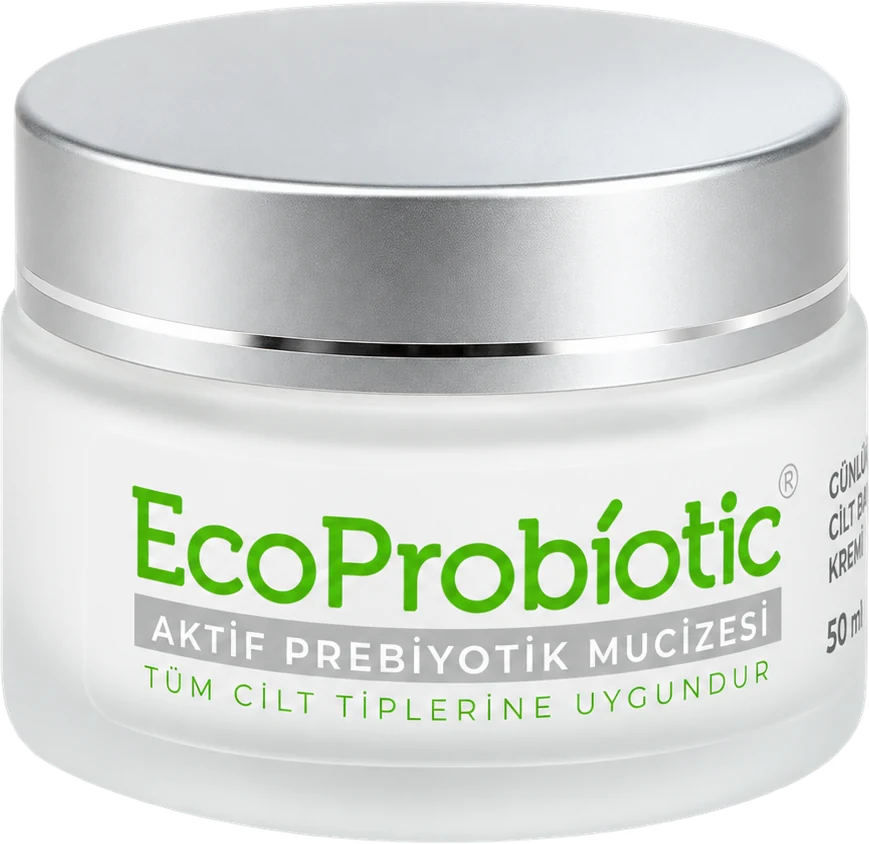
Apply a light, oil-free, fragrance-free moisturizer with prebiotics between your eyebrows, beside your nose and under your beard. Avoid heavy beard oils.
- 04
Sunscreen
Apply a lightweight, non-comedogenic sunscreen to the exposed areas of your face.
Care you can use in your routine
EcoProbiotic MenCare range ↗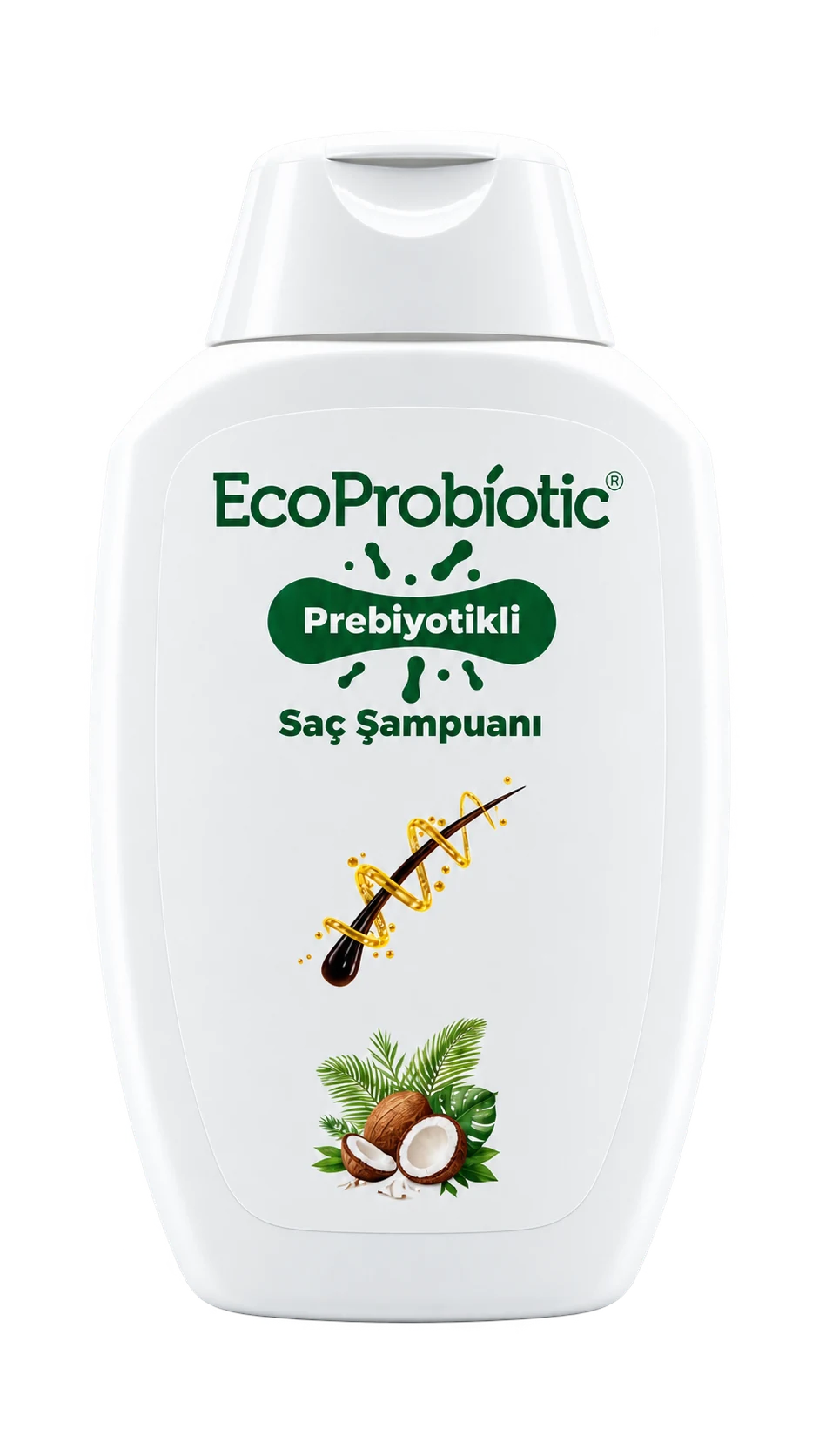
Caution
What to avoid, and when to see a doctor?
Avoid these
- ✕Mistaking beard dandruff for dryness and applying heavy oils and beeswax-based products
- ✕Scraping flakes off with your fingernails or scrubbing with a stiff brush
- ✕Using cortisone creams on your face for weeks without supervision
- ✕Alcohol-based aftershaves and fragranced products
- ✕Long showers with very hot water
- ✕Leaving your beard damp
See a dermatologist
- →If flaking and redness haven't eased within 4–6 weeks despite a consistent routine at home
- →If the redness has spread over much of your face, your chest or your back
- →If you have heavy flaking on your eyelids and burning in your eyes
- →If symptoms started suddenly and very severely
- →If itching is disrupting your sleep and daily life
Common misconceptions
Myth or fact?
✕Common belief
Beard dandruff means your beard is dry; applying beard oil is enough.
✓Fact
Beard dandruff is usually not dryness but seborrheic dermatitis linked to a yeast that feeds on sebum. Heavy oils can feed the yeast and make things worse; antifungal and oil-free products are a better fit.
✕Common belief
Seborrheic dermatitis happens to people with poor hygiene.
✓Fact
Seborrheic dermatitis has nothing to do with personal hygiene and isn't contagious. It results from a combination of factors such as oil gland activity, skin yeast, immunity and stress.
Popular searches
Most asked about Seborrheic dermatitis (face, eyebrows and beard)
Your questions
Frequently asked questions
01Should I shave off my beard because of seborrheic dermatitis?+
It's not required. For many men, regular washing, antifungal products and oil-free care control symptoms even with a beard. In stubborn flare-ups, though, trimming your beard helps products reach the skin and lets the area breathe.
02Can I use dandruff shampoo on my beard too?+
Dermatologists may suggest that antifungal shampoos can also be used on the beard and eyebrows. It's important to lather, leave it on for a few minutes, rinse thoroughly and then apply a light moisturizer; since facial skin is more sensitive than the scalp, use it less often if it causes irritation.
03Does seborrheic dermatitis go away completely?+
Seborrheic dermatitis is a chronic, recurring condition; there's no permanent "cure." But with proper treatment and weekly maintenance care, symptoms can stay quiet for long periods.
04Can stress trigger seborrheic dermatitis?+
Yes, stress and lack of sleep are often linked to flare-ups. If you notice your symptoms getting worse during busy periods at work, sticking more closely to your skincare routine and paying attention to your sleep during those times can help.
05How can I tell seborrheic dermatitis from psoriasis?+
In seborrheic dermatitis, the flakes are greasy and yellowish and the edges are less defined. In psoriasis, the scales are thicker and silvery with sharp borders, and the elbows, knees and nails may also be affected. Since the two can sometimes occur together, a dermatologist should make the distinction.
06Is the dandruff in my eyebrows the same thing?+
Most of the time, yes. Greasy flaking inside and between the eyebrows is one of the most typical spots for seborrheic dermatitis. You should include your eyebrows in your routine along with your face and beard.
Scientific basis
Sources
- 01The Global Prevalence of Seborrheic Dermatitis: A Systematic Review and Meta-Analysis
Polaskey MT, Chang CH, Daftary K, et al. · JAMA Dermatology · 2024 · doi:10.1001/jamadermatol.2024.1987
Combining 121 studies, calculated the global prevalence of seborrheic dermatitis at 4.38%, and 5.64% in adults.
- 02Seborrheic Dermatitis and Dandruff: A Comprehensive Review
Borda LJ, Wikramanayake TC · Journal of Clinical and Investigative Dermatology · 2015 · doi:10.13188/2373-1044.1000019
Reviewed how seborrheic dermatitis and dandruff arise from the interaction of sebum, skin yeast and individual susceptibility, and that they are more common in men.
- 03An Overview of the Diagnosis and Management of Seborrheic Dermatitis
Dall'Oglio F, Nasca MR, Gerbino C, et al. · Clinical, Cosmetic and Investigational Dermatology · 2022 · doi:10.2147/CCID.S284671
Gave an up-to-date summary of the diagnosis of seborrheic dermatitis and treatment options including antifungals, anti-inflammatories and maintenance therapy.
- 04Diagnosis and treatment of seborrheic dermatitis
Clark GW, Pope SM, Jaboori KA · American Family Physician · 2015
Explained the typical locations of seborrheic dermatitis on the face, eyebrows and scalp, and the importance of antifungal treatment as a first-line option.
- 05Topical antifungals for seborrhoeic dermatitis
Okokon EO, Verbeek JH, Ruotsalainen JH, et al. · Cochrane Database of Systematic Reviews · 2015 · doi:10.1002/14651858.CD008138.pub3
This review of 51 studies and 9,052 participants showed that topical antifungals are more effective than placebo and can achieve effects similar to cortisone creams with fewer side effects.
- 06Skin microbiome alterations in seborrheic dermatitis and dandruff: A systematic review
Tao R, Li R, Wang R · Experimental Dermatology · 2021 · doi:10.1111/exd.14450
Showed that both the ratio between yeast species and the bacterial balance change in seborrheic dermatitis and dandruff, and that these changes are linked to barrier damage and itching.
- 07The human skin microbiome
Byrd AL, Belkaid Y, Segre JA · Nature Reviews Microbiology · 2018 · doi:10.1038/nrmicro.2017.157
Showed that oil-rich skin sites are a distinct microbiome environment dominated by oil-loving yeasts and bacteria.
- 08The role of topical probiotics in skin conditions: A systematic review of animal and human studies and implications for future therapies
Knackstedt R, Knackstedt T, Gatherwright J · Experimental Dermatology · 2020 · doi:10.1111/exd.14032
Reported that probiotics applied to the skin showed promising results in a range of skin problems, but that larger clinical studies are needed.