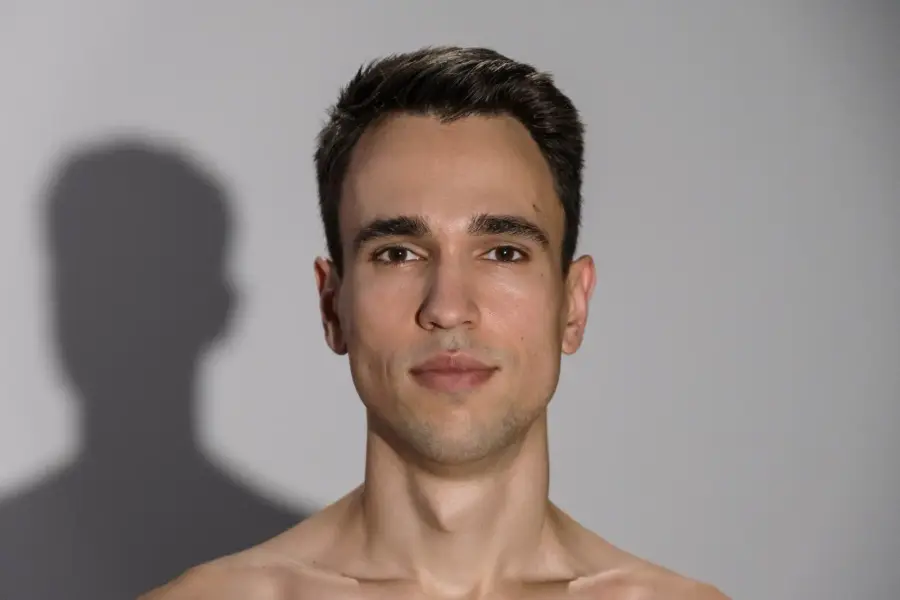
At this stage
What happens to your skin?
01
Renewal is slowing down
Renewal of the outer skin layer, which takes about 20 days in young adults, lengthens by more than 10 days in later life, and the slowdown accelerates especially after age 50. That's why scratches, shaving nicks and irritation take longer to recover.
02
Dryness becomes more noticeable
Men's skin stays oily longer than women's, but hydration on the face and neck keeps decreasing with age. In winter, an itchy, tight dryness with fine cracks is common, especially on the legs and arms.
03
Traces of the sun
Brown spots and pink, scaly patches that feel like sandpaper to the touch can appear on the forehead, nose, ears, backs of the hands and a bald scalp. These scaly patches can sometimes be sun-related precancerous lesions and should always be shown to a doctor.
04
Sagging and volume loss
As collagen and elastic fibers decrease, the jawline softens, eyelids get heavier and the cheeks lose volume. Thicker skin delays this process in men, but sun and smoking speed it up.
05
Hair changes places
While the scalp thins, hair in the ears, nose and eyebrows grows longer and thicker. This is a natural result of hair follicles responding differently to hormones with age.
From within
The effect of hormones
Testosterone keeps up its slow decline in your 50s; in healthy men followed over long periods, low testosterone values start to become more common as they approach 60. This process, commonly called andropause, isn't sudden like menopause in women but a gradual change spread out over years. Thinning skin, less elasticity and slower wound healing; muscle loss, belly fat and lower energy in the body are possible signs of this stage.
While DHT keeps acting on the scalp, ear and nose hair may increase. Stress hormones, disrupted sleep and common chronic conditions (diabetes, high blood pressure, thyroid disease) can affect skin dryness and wound healing. Some of the medications you take can increase skin dryness or sun sensitivity, so look at any new skin problem from this angle with your doctor too.
Focus
Priorities at this age
01
The barrier comes first
Using a rich moisturizer with ceramides and fatty acids twice a day helps reduce dryness and itching. Apply body moisturizer right after showering, too.
02
Sun protection and checkups
Broad-spectrum sunscreen and a hat every day, and a dermatological skin check at least once a year. A sore that won't heal, or a lesion that bleeds or grows quickly, should be evaluated without delay.
03
Gentle renewal
Keep using retinol as often as your skin tolerates it. If dryness increases, use it less often or talk to your dermatologist about switching to a gentler retinoid derivative.
04
Slow down when you shave
Because renewal slows, shaving nicks and irritation take longer to heal. Choose a slick gel, a sharp blade or an electric shaver, and an alcohol-free aftershave.
05
Look at your health as a whole
Blood sugar, blood pressure and thyroid checks directly affect skin health too. At this stage, regular checkups are part of your care routine.
50s · Ages 50–59
The veteran squad: less speed, more protection
Step by step
Skin routine
4 steps
- 01
Lukewarm water or a cream cleanser
If your skin is dry, lukewarm water alone or a non-foaming cream cleanser is enough in the morning. Bar soap and hot water increase dryness.
- 02
Antioxidant serum
A serum with vitamin C or niacinamide can help reduce uneven tone and the appearance of spots.
- 03
Rich moisturizer
A moisturizer with ceramides, glycerin, hyaluronic acid and prebiotics can help support declining hydration and barrier lipids.
- 04
Sunscreen
Apply a broad-spectrum SPF 50 sunscreen to your face, ears, the back of your neck, the backs of your hands and any exposed scalp. Add sunglasses and a hat.
What you can add to your routine
A changing skin crew
As your skin's oil, moisture and pH balance change with age, the makeup of the microbiome changes too. The goal isn't to stop this change, but to keep the crew in balance.
Drop the antiseptic habit
Constant cleansing with antibacterial soap and alcohol-based toners can weaken the line of defense of dry, aging skin.
Care you can use in your routine
EcoProbiotic MenCare range ↗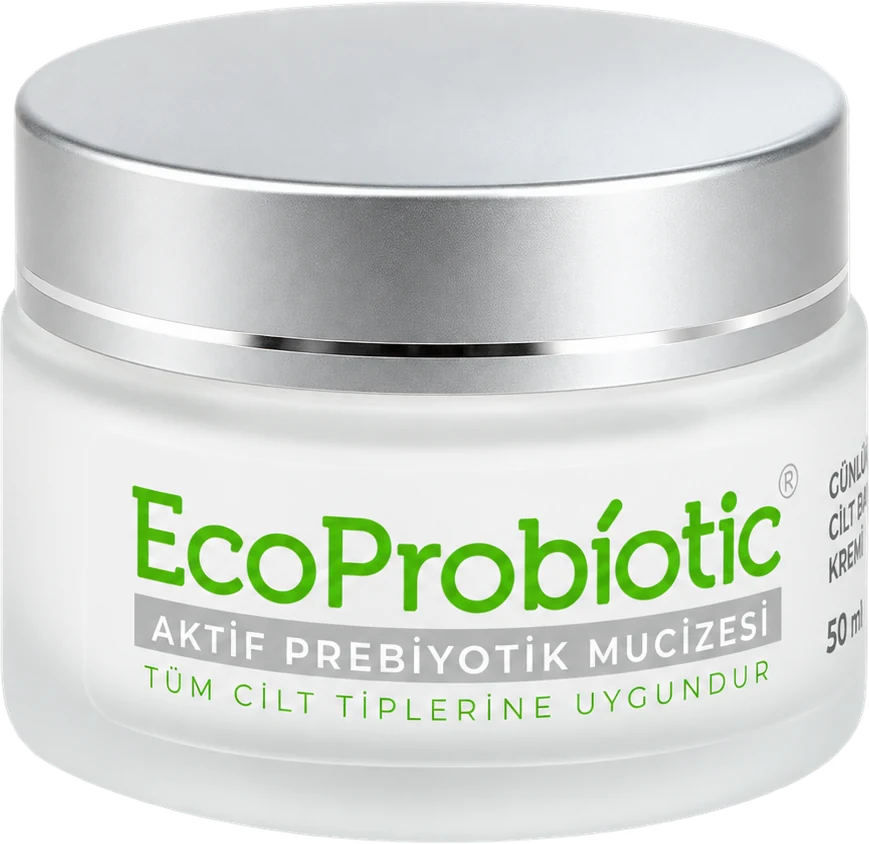 Moisturising01Prebiotic Face CreamA thin layer morning and evening; on shaving days, right after you shave. Moisturises the skin and supports its barrier.View ↗
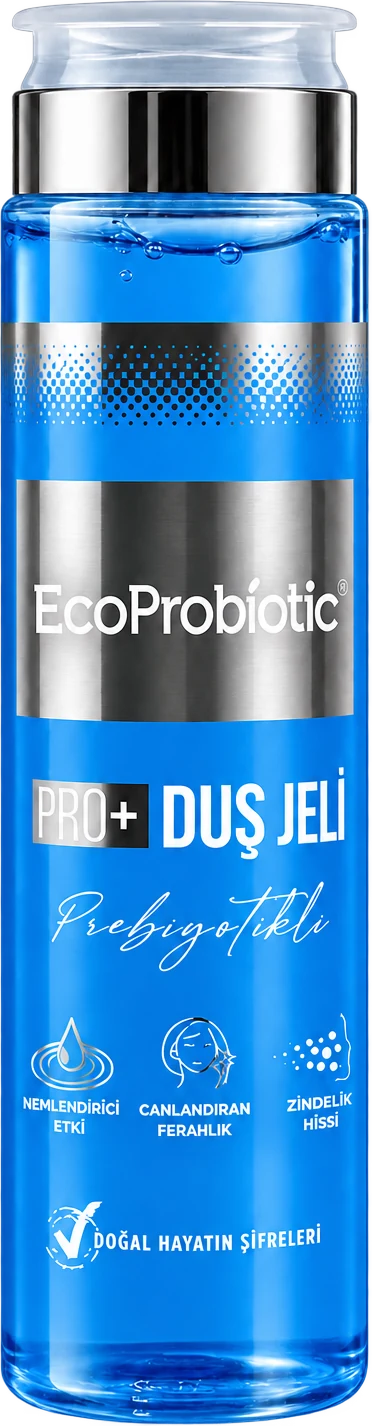 Body02Prebiotic Shower GelThoroughly cleanses the areas that hold sweat; moisturises the skin and supports its barrier. Morning or evening, every day.View ↗
 Scalp03Prebiotic ShampooFor an oily, itchy scalp. Removes oil and dirt and supports the scalp barrier; suitable for daily use.View ↗
Hair, scalp and beard
Hair and beard routine
4 steps
- 01
Moisturize your scalp
If your scalp is getting dry, washing less often and using a gentle, moisturizing shampoo can help reduce itching.
- 02
Protect bald areas
An exposed scalp is one of the areas most exposed to the sun. A hat and sunscreen can help reduce the risk of sunspots and sun-related lesions.
- 03
Keep your beard soft
A graying beard can be coarser and drier. Beard shampoo, a light beard oil and regular trimming soothe both its look and the skin underneath.
- 04
Look into sudden shedding
Apart from long-established hair loss, if you have sudden, widespread shedding or patchy hair loss, talk to a doctor about thyroid, iron and medication side effects.
Most common
Common concerns
Sun damage
Scaly pink patches, hardened texture and spots. Any lesion that changes or doesn't heal should be shown to a doctor.
Read in the atlas →Sunspots
Brown spots on the backs of the hands, forehead and cheekbones. Sun protection is the foundation for slowing their progression.
Read in the atlas →Seborrheic dermatitis
Still common at this age; it can persist as red flaking on the eyebrows, beside the nose, in the beard and on the scalp.
Read in the atlas →Rosacea
Persistent facial redness and a tendency toward thickening of the nose. It flares up with alcohol, sun and heat.
Read in the atlas →Psoriasis
Thick, silvery, scaly plaques on the elbows, knees and scalp. It can flare up with stress, alcohol and smoking; it needs a doctor's follow-up.
Read in the atlas →Hand eczema
Cracked, itchy hands caused by a combination of frequent handwashing, workplace chemicals and dryness. Gloves and regular hand cream support the barrier.
Read in the atlas →Daily life
Lifestyle
Strength training
Resistance exercise two or three days a week to slow muscle loss supports testosterone balance and your overall metabolism. Exercise also increases blood flow to the skin.
Shorten hot showers
Long, very hot showers strip your skin's oils. A short shower with lukewarm water followed right away by moisturizer reduces dryness and itching.
Quit smoking
Smoking breaks down collagen, slows wound healing and increases the risk of skin cancer. It's never too late to quit.
Nutrition and fluids
Enough protein, fish, olive oil, nuts and plenty of vegetables support skin repair. The sense of thirst decreases with age; make drinking water throughout the day a habit.
Sleep quality
Snoring, waking up often at night and morning fatigue affect hormone balance and your skin's recovery. Talking to a doctor about sleep problems is part of your care.
Popular searches
Most asked about 50s
Your questions
Frequently asked questions
01What is andropause, and does it affect the skin?+
Andropause is the popular name for the gradual decline of testosterone in men over the years; it isn't sudden like menopause in women. It can show up in the skin as thinning, dryness and slower wound healing. If fatigue, lower sex drive and muscle loss occur together, see a doctor.
02I have scaly pink spots on my face that feel like sandpaper. Is that serious?+
Pink, scaly spots that feel rough to the touch on sun-exposed areas can be sun-related precancerous lesions. Show them to a dermatologist instead of waiting for them to go away on their own.
03Why does skin itch more as you get older?+
The skin's ability to hold moisture decreases, and barrier lipids and renewal speed drop. Hot showers and harsh soap make it worse. A short lukewarm shower, a soap-free cleanser and moisturizer right after showering help reduce itching. If the itching is widespread and persistent, you need a doctor's evaluation.
04How often should I get a mole check?+
After 50, a dermatological skin check once a year is a good habit. People with many moles, fair skin or a family history of skin cancer may be checked more often. A mole that changes shape, color or size should be evaluated without delay.
05Why has my ear and nose hair increased?+
With age, hair follicles respond differently to hormones; while the scalp thins, hair in the ears, nose and eyebrows grows longer and thicker. Using a small trimmer instead of tweezers reduces the risk of irritation and inflammation.
Scientific basis
Sources
- 01Age-associated changes in human epidermal cell renewal.
Grove GL, Kligman AM · Journal of Gerontology · 1983 · doi:10.1093/geronj/38.2.137
Showed that renewal of the outer skin layer, which takes about 20 days in young adults, lengthens by more than 10 days in later life, with the slowdown accelerating especially after age 50.
- 02Age-related changes in male skin: quantitative evaluation of one hundred and fifty male subjects.
Luebberding S, Krueger N, Kerscher M · Skin Pharmacology and Physiology · 2014 · doi:10.1159/000351349
Showed in 150 men aged 20–70 that sebum production and water loss changed little with age, whereas skin hydration on the face and neck dropped markedly and facial skin pH rose.
- 03Age trends in the level of serum testosterone and other hormones in middle-aged men: longitudinal results from the Massachusetts male aging study.
Feldman HA, Longcope C, Derby CA, Johannes CB, et al. · Journal of Clinical Endocrinology and Metabolism · 2002 · doi:10.1210/jcem.87.2.8201
Showed that in men aged 40–70, total testosterone declines by about 1.6% a year and bioavailable testosterone by 2–3%, while DHT rises, and that chronic illness, obesity and heavy drinking lower androgen levels.
- 04Longitudinal effects of aging on serum total and free testosterone levels in healthy men. Baltimore Longitudinal Study of Aging.
Harman SM, Metter EJ, Tobin JD, Pearson J, Blackman MR · Journal of Clinical Endocrinology and Metabolism · 2001 · doi:10.1210/jcem.86.2.7219
Showed in 890 men that testosterone declines steadily with age, independent of illness, and that low testosterone reaches a prevalence of about 20% over age 60, 30% over 70 and 50% over 80.
- 05Male versus female skin: What dermatologists and cosmeticians should know.
Rahrovan S, Fanian F, Mehryan P, Humbert P, Firooz A · International Journal of Women's Dermatology · 2018 · doi:10.1016/j.ijwd.2018.03.002
Reviewed 57 studies and showed that sebum, water loss, blood circulation, pigment and skin thickness are generally higher in men's skin than in women's.
- 06Sunscreen and prevention of skin aging: a randomized trial.
Hughes MC, Williams GM, Baker P, Green AC · Annals of Internal Medicine · 2013 · doi:10.7326/0003-4819-158-11-201306040-00002
Showed that in women and men under 55, skin aging progressed 24% less after 4.5 years in those who used broad-spectrum sunscreen daily compared with those who used it occasionally.
- 07Tobacco smoke causes premature skin aging.
Morita A · Journal of Dermatological Science · 2007 · doi:10.1016/j.jdermsci.2007.06.015
Reviewed how smoking reduces collagen production, increases the enzymes that break down collagen and elastic fibers, and is a major environmental cause of premature skin aging.
- 08The human skin microbiome.
Byrd AL, Belkaid Y, Segre JA · Nature Reviews Microbiology · 2018 · doi:10.1038/nrmicro.2017.157
Reviewed how the skin microbiome varies by area (oily, moist, dry) and contributes to maintaining the barrier through constant communication with the immune system.