At this stage
What happens to your skin?
01
Oil glands at full throttle
Testosterone and its powerful derivative DHT enlarge the oil glands and speed up sebum (the skin's natural oil) production. Your forehead, nose and chin get shiny, and your pores become more visible. Men's skin already produces more oil than women's; puberty is when this difference shows up.
02
Acne affects almost everyone
In a study of a thousand high school students with an average age of 16, some degree of acne was found in 94% of boys. In other words, at this age acne is the rule, not the exception. What matters is keeping mild acne under control and spotting deep, scarring pimples early.
03
Sweat glands kick in
The apocrine sweat glands in your armpits and groin start working at puberty. This sweat itself is odorless; the smell forms when bacteria on the skin break the sweat down. Body odor appearing at this age when it wasn't there before is completely biological and is easily managed with regular showers and cotton clothing.
04
First beard, first irritation
The hair that starts on your upper lip and chin gets thicker over time. Inexperienced dry shaving, dull razors and pressing hard against the grain are the most common causes of razor redness and ingrown hairs at this age. Learn the right technique once, and it protects your skin for life.
05
A strong barrier, but sensitive to harsh products
Cell renewal is fast in young skin and the barrier is usually strong. But while fighting acne, alcohol-based toners, harsh foams and frequent scrubbing can easily strain that barrier. Strained skin responds with more redness and sometimes even more oil.
From within
The effect of hormones
During puberty, testosterone from the testes rises to adult levels within a few years. In the skin, testosterone is converted to DHT by the enzyme 5-alpha reductase; DHT strongly stimulates the oil glands, beard roots and body hair. In people who are genetically predisposed, the same hormone can start to thin the follicles at the temples and crown, which is why the first signs of male pattern hair loss can appear in some guys in late puberty.
Sleep and stress are part of this balance too. Cortisol, which rises during exam periods, stimulates the oil glands and can increase inflammation; the risk of severe acne has been shown to be higher in teens with a family history of acne, noticeable oiliness and stress. Late-night screen habits and too little sleep weaken both growth and hormone balance and the skin's overnight repair.
Focus
Priorities at this age
01
Three steps are enough
A gentle gel cleanser, a light moisturizer and sunscreen are your basic kit at this age. Trying every product on the shelf confuses your skin and makes it harder to see what's actually working.
02
Don't touch your pimples
Squeezing pushes inflammation deeper and raises the risk of pitted scars and dark spots. Hands-off discipline is the most effective and cheapest skin care rule of this stage.
03
Learn to shave the right way
Shave after a warm shower, with shaving gel, a sharp, clean blade, with the grain and with light pressure. Don't go over the same spot again and again. These few rules greatly reduce redness and ingrown hairs.
04
Sweat and odor hygiene
Shower after a workout or a busy day, and wash your gym clothes before wearing them again. Using a deodorant or a product that reduces sweating under your arms boosts your social comfort.
05
Ask for help early
Painful, deep, scarring pimples aren't something to wait and see about. An approach your dermatologist starts early protects both your skin and your self-confidence.
Puberty · Ages 13–19
The engine is running: the oil, sweat and first shave that come with testosterone
Step by step
Skin routine
4 steps
- 01
Wash with a gel cleanser
Wash your face for about 30 seconds with lukewarm water and a soap-free, slightly acidic gel cleanser. Hot water and harsh soap can dry out your skin and push it to produce even more oil.
- 02
Light moisturizer
Oily skin needs water too. A non-comedogenic (won't clog pores), water-based gel cream supports the barrier without making you shiny.
- 03
Targeted care (if needed)
If you're prone to blackheads and pimples, a light product with salicylic acid or niacinamide can help clear pores and balance oil. Start every other day for the first few weeks.
- 04
Sunscreen
Choose an oil-free SPF 30+ sunscreen suited to acne-prone skin. On long days on the field, at school or outdoors, reapply at midday.
What you can add to your routine
Your skin's new crew
As oil increases during puberty, your skin's community of bacteria and yeast shifts toward species that love oil. This is a natural transition; the goal isn't to wipe out this crew but to keep it in balance.
Balance instead of antiseptics
Using antibacterial soap or alcohol-based toners every day also reduces beneficial bacteria and can weaken the barrier. Slightly acidic, gentle cleansers protect your skin's line of defense.
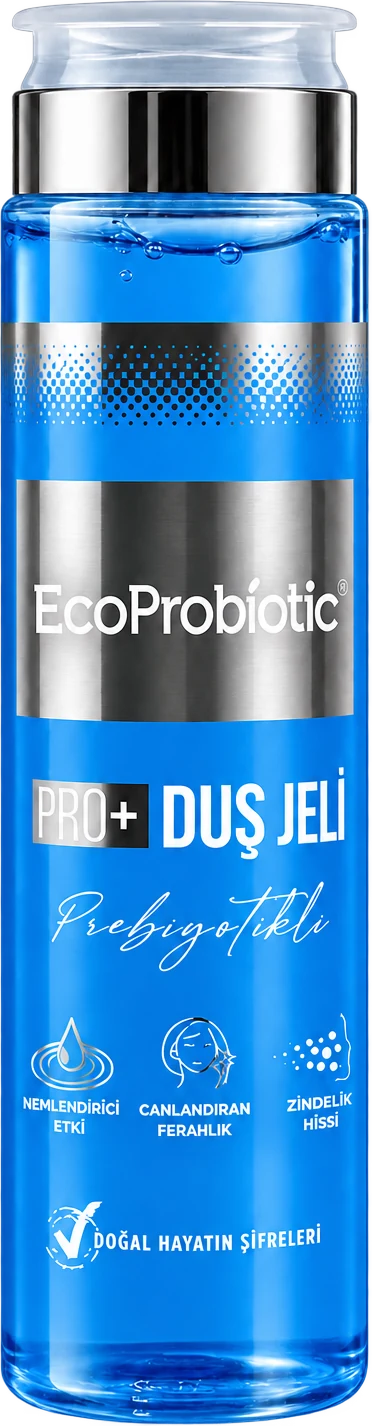
Care you can use in your routine
EcoProbiotic MenCare range ↗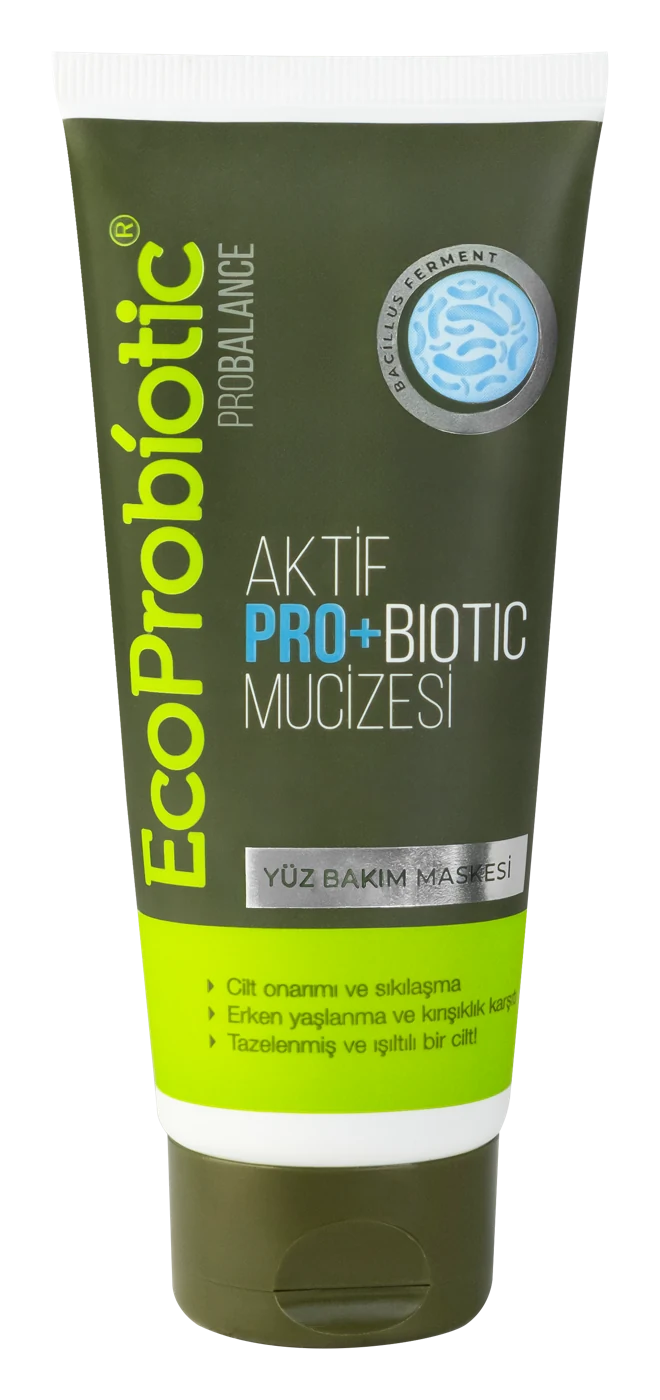
Hair, scalp and beard
Hair and beard routine
4 steps
- 01
Your scalp gets oily too
The oil glands on your scalp also speed up during puberty. If your hair gets greasy fast, washing it every day or every other day with a mild shampoo is completely normal and won't make it fall out.
- 02
Meet dandruff
Extra oil makes it easier for scalp yeast to multiply, and white flakes can appear. If dandruff is stubborn, you can try over-the-counter anti-dandruff (antifungal) shampoos a few times a week.
- 03
Wash out wax and gel at night
Styling products can clog pores along your hairline and forehead. Wash the product out with shampoo in the evening, and clean your face last.
- 04
Watch for early signs of hair loss
A clearly receding hairline at the temples or thinning at the crown can begin in late puberty. If early baldness runs in your family and you're seeing signs too, talking to a dermatologist early gives you more options.
Most common
Common concerns
Acne
The most common skin problem of puberty. It shows up as blackheads, whiteheads and inflamed pimples; if it's leaving scars, there's no need to wait before seeing a dermatologist.
Read in the atlas →Oily skin and pores
Shine and visible pores in the T-zone. It's balanced with regular, gentle care, not harsh cleansing.
Read in the atlas →Back and chest acne
It can flare up with sweat, tight gym clothes and friction from backpack straps. Showering right after a workout makes a difference.
Read in the atlas →Razor burn
Common in the first years of shaving because of dry shaving and dull blades. The right technique and moisturizing after shaving are usually enough.
Read in the atlas →Excessive sweating and body odor
It appears when the apocrine glands start working. If sweating on your hands, feet or underarms affects your daily life, it's worth talking to a doctor.
Read in the atlas →Keratosis pilaris
A chicken-skin look on the backs of the arms and thighs. It's harmless; regular moisturizing and lotions with gentle exfoliants soften its appearance.
Read in the atlas →Daily life
Lifestyle
Sleep is your growth time
At this age, 8–10 hours of sleep a night is recommended. Hormone balance, muscle growth and skin repair largely happen at night; putting your screen away an hour before bed makes falling asleep easier.
Keep your blood sugar steady
Focusing on whole grains, legumes, eggs, yogurt and vegetables instead of energy drinks, sugary sodas and packaged snacks can help reduce acne. A sugary, fatty diet has been linked to severe acne in high school students.
Be careful with supplements and hormone powders
Some supplements recommended at the gym, and especially products containing hormones, can cause severe acne and other health problems. While you're still developing, don't use these products without a doctor's approval.
Let off steam
It's no coincidence that acne gets worse during exam season. Regular sports, walks and time with friends help balance stress hormones.
Be smart in the sun
On game days, camping trips and beach days, wear a hat and sunscreen and stay in the shade around midday. A large share of the sun damage that builds up over a lifetime starts at this age.
Popular searches
Most asked about Puberty
Your questions
Frequently asked questions
01Do I get pimples because I don't wash my face enough?+
No. Acne is about hormones, oil glands, clogged pores and inflammation, not dirt. Washing too often and too harshly can make acne worse. Gentle cleansing twice a day and a shower after sports are enough.
02If I shave, will my beard grow back thicker and denser?+
No. Shaving cuts only the tip of the hair at the surface, not the root. A newly grown hair feels coarser because it has a blunt tip, but the number and thickness of hairs are determined by genetics and hormones.
03Should I use a moisturizer if I have oily skin?+
Yes. When skin is dehydrated, the barrier is strained and sometimes produces even more oil. A light, water-based, non-comedogenic gel cream is right for oily skin.
04When does teenage acne go away?+
For most guys it eases toward the end of puberty, but for some it can last into their 20s. Instead of waiting for it to clear on its own, you can reduce the risk of scars and dark spots now with a regular routine and, if needed, help from a dermatologist.
05What should I do about body odor?+
Shower at least once a day and after sports, dry your armpits well, choose cotton, breathable clothes and don't rewear sweaty clothes. Deodorant targets the smell, while antiperspirants target the amount of sweat. If sweating is heavy enough to affect your daily life, talk to a doctor.
06When should I see a dermatologist?+
See a dermatologist without waiting if your pimples are painful and deep, if they leave scars or dark spots, if they don't improve after 2–3 months of regular care, or if they affect your self-confidence.
Scientific basis
Sources
- 01Prevalence, severity, and severity risk factors of acne in high school pupils: a community-based study.
Ghodsi SZ, Orawa H, Zouboulis CC · Journal of Investigative Dermatology · 2009 · doi:10.1038/jid.2009.47
Found an acne prevalence of 94.4% among boys in 1,002 high school students with an average age of 16; a family history of acne, increased oiliness, stress and a sugary, fatty diet were associated with the risk of severe acne.
- 02Epidemiology of acne vulgaris.
Bhate K, Williams HC · British Journal of Dermatology · 2013 · doi:10.1111/bjd.12149
Reviewed evidence that acne is extremely common in adolescents, that moderate-to-severe acne affects roughly one in five young people, and that for many it continues into their 20s and 30s.
- 03Male versus female skin: What dermatologists and cosmeticians should know.
Rahrovan S, Fanian F, Mehryan P, Humbert P, Firooz A · International Journal of Women's Dermatology · 2018 · doi:10.1016/j.ijwd.2018.03.002
Reviewed 57 studies and showed that sebum, water loss, blood circulation, pigment and skin thickness are generally higher in men's skin than in women's.
- 04Androgenetic alopecia: a review.
Lolli F, Pallotti F, Rossi A, Fortuna MC, Caro G, et al. · Endocrine · 2017 · doi:10.1007/s12020-017-1280-y
Reviewed how male pattern hair loss is the most common progressive type of hair loss in men and results from genetically predisposed follicles gradually shrinking under the influence of androgens.
- 05Seborrheic Dermatitis and Dandruff: A Comprehensive Review.
Borda LJ, Wikramanayake TC · Journal of Clinical and Investigative Dermatology · 2015 · doi:10.13188/2373-1044.1000019
Reviewed how seborrheic dermatitis and dandruff appear in areas rich in oil glands, how sebum, scalp yeast and individual sensitivity play a role together, and the approaches to diagnosis and care.
- 06The human skin microbiome.
Byrd AL, Belkaid Y, Segre JA · Nature Reviews Microbiology · 2018 · doi:10.1038/nrmicro.2017.157
Reviewed how the skin microbiome varies by area (oily, moist, dry) and contributes to maintaining the barrier through constant communication with the immune system.
- 07The Gut Microbiome as a Major Regulator of the Gut-Skin Axis.
Salem I, Ramser A, Isham N, Ghannoum MA · Frontiers in Microbiology · 2018 · doi:10.3389/fmicb.2018.01459
Reviewed how the gut microbiome can influence skin renewal and immune responses through immune and inflammatory signals (the gut-skin axis).