Definition
What is Keratosis pilaris?
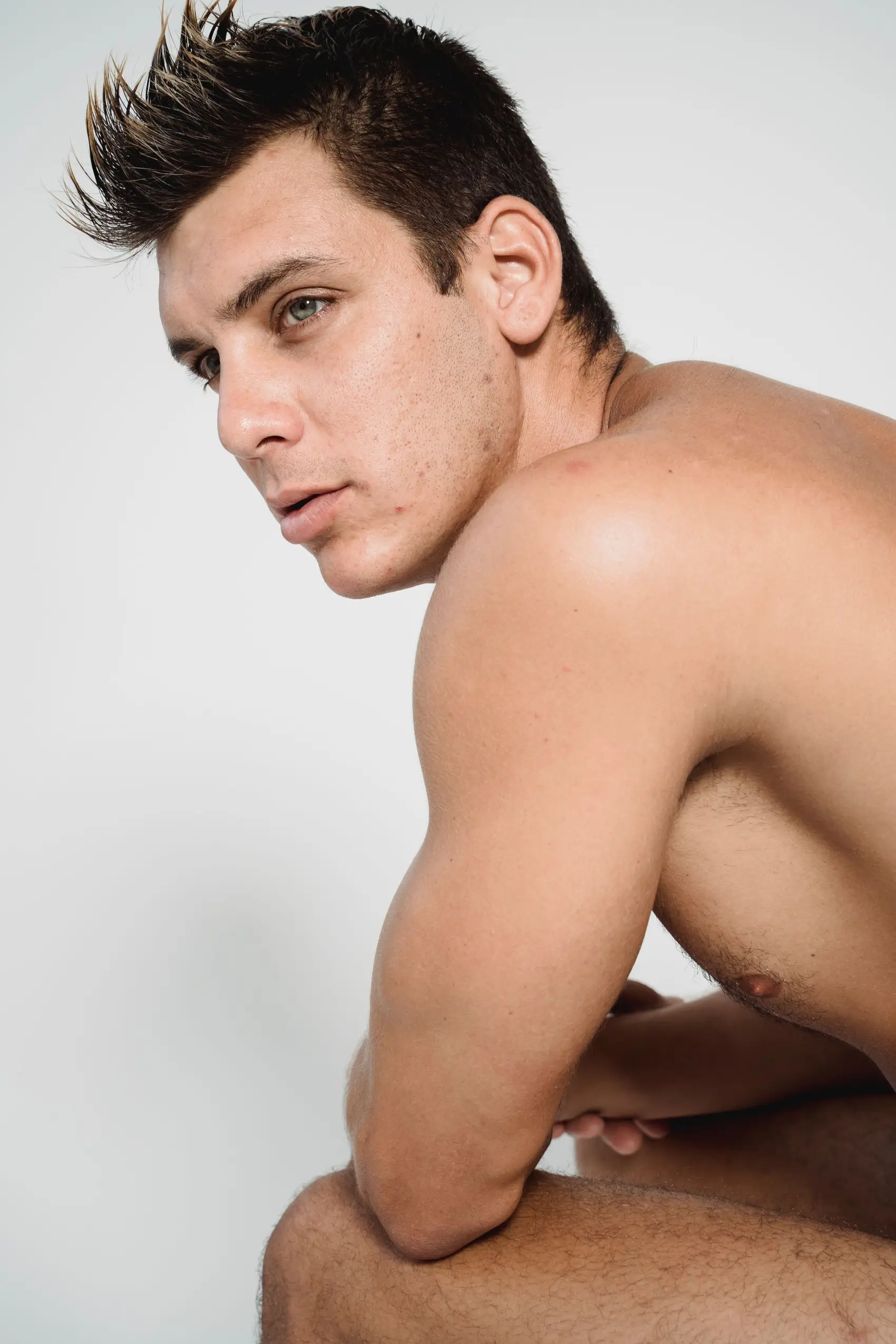
Keratosis pilaris is a very common, harmless skin condition that develops when keratin, the skin's natural structural protein, builds up at the openings of hair follicles and forms small, hard plugs. These little bumps, which feel like sandpaper to the touch, most often appear on the back and outer side of the arms, the shoulders, thighs and buttocks. Sitting at the hair follicles, the bumps give the area a 'goosebumps' or 'chicken skin' look, which is where the nickname comes from.
Keratosis pilaris usually begins in childhood or adolescence and runs in families. It's an inherited skin tendency; it has nothing to do with dirt, a bad diet or poor hygiene, and it isn't contagious. It often appears together with dry skin, a tendency toward eczema and an inherited form of dryness known as 'fish scale' skin (ichthyosis). It becomes more noticeable in winter and in dry indoor air, and eases in summer and humid weather. In some men it fades with age, while in others it continues into adulthood.
Men often notice it in summer in a T-shirt, at the gym in a tank top or at the beach. The most common mistakes are scrubbing hard with exfoliating mitts because 'I've got pimples on my arms', drying the area out with acne creams or squeezing the bumps; these increase redness and the risk of marks. The 'rubra' form, a redder subtype of keratosis pilaris, stands out especially in men and can also spread to the cheeks. Although there's no method that gets rid of it completely, creams that soften keratin and a gentle routine can noticeably reduce the bumps.
Check yourself
How do you spot it?
- ✓Small, hard bumps on the back and outer side of the arms, shoulders, thighs and buttocks
- ✓A rough surface that feels like sandpaper to the touch
- ✓Skin-colored, whitish or reddish dots
- ✓A pink-to-red halo around the bumps
- ✓On darker skin, brown spots around the bumps
- ✓A thin, coiled hair trapped inside some bumps
- ✓Becoming more noticeable in winter and dry weather, easing in summer
- ✓Usually not itchy; mild itching if the skin is very dry
- ✓In some men, bumps along with redness on the cheeks and the outer part of the eyebrows
Why it happens
Main causes
01
Heredity
Keratosis pilaris often runs in families. If your father, mother or siblings have similar bumps, it's no surprise that you do too; it's not a mistake in your skin care but a structural tendency of your skin.
02
Differences in barrier proteins
Lower production of barrier proteins like filaggrin makes it harder for keratin to shed regularly. That's why keratosis pilaris often appears together with eczema and inherited dry skin conditions.
03
Dry skin and atopic tendency
It's more common in men with a history of eczema, hay fever or asthma. Atopic skin loses moisture quickly, and the bumps become more noticeable.
04
Season and indoor air
In winter, cold outdoor air and indoor spaces with central heating rapidly reduce the skin's moisture. In long-term follow-up studies, most patients described getting worse in winter and better in summer.
05
Friction and shaving
Tight-sleeved T-shirts, fabric friction during workouts and frequent razor use on the arms or legs can irritate hair follicles and help make the bumps and redness more noticeable.
In daily life
Triggers that cause flare-ups
Medical approach
Treatment options
01
Keratin-softening moisturizers
Your dermatologist may recommend keratolytic creams containing urea, lactic acid or salicylic acid. These creams chemically soften the plugs and, with regular use, can noticeably reduce roughness. It's important to know that the bumps may come back once you stop.
02
Topical retinoids
Vitamin A-derived creams that regulate cell turnover can be prescribed for stubborn cases after a dermatologist's evaluation. Since they can cause dryness and irritation, they need to be used together with a moisturizer.
03
Short-term creams for redness
When redness is prominent, your dermatologist may recommend a mild anti-inflammatory cream for a short period. These creams shouldn't be used on your own or for long periods.
04
Laser and light treatments
A randomized controlled trial showed that three sessions with an 810 nm diode laser significantly reduced roughness and the raised appearance in patients with light to medium skin tones, but did not change redness. Different vascular lasers may be needed for redness; your dermatologist will decide whether it's right for you.
05
Managing accompanying dryness
If you have eczema or widespread dryness, your dermatologist will first focus on strengthening the barrier. As the barrier recovers, the bumps often soften noticeably too.
Did you know? · Keratosis pilaris
63% · In a series of 27 patients with the redder, more widespread 'rubra' type of keratosis pilaris, 63% were men.
Step by step
Care routine for Keratosis pilaris
5 steps
- 01
A lukewarm, short shower
Keep your shower to 5-10 minutes and the water lukewarm. Hot water strips the skin's protective oils.
- 02
Soap-free cleanser
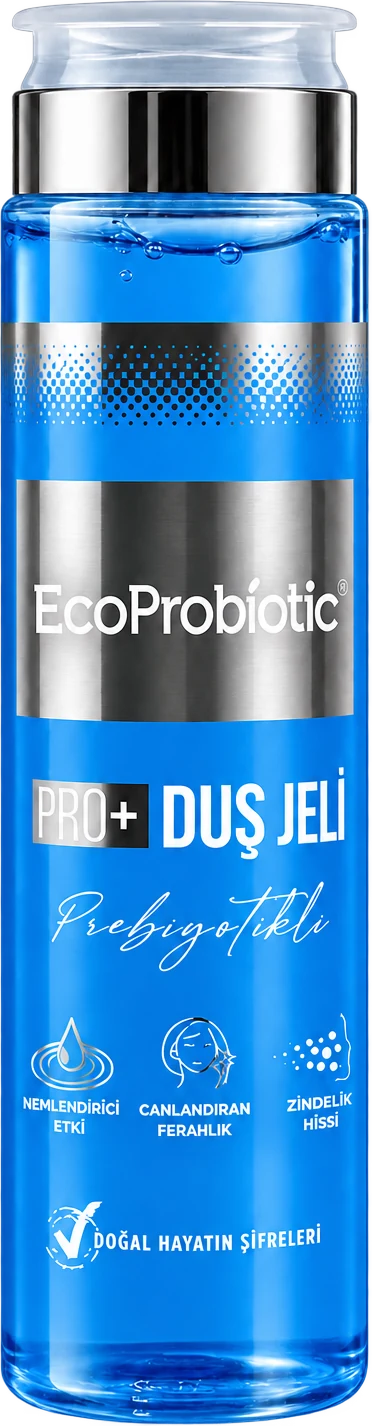
Use a low-pH, soap-free shower gel on your arms and legs. Spread it gently with your hands; don't use a loofah or exfoliating mitt.
- 03
Pat dry
Press the towel against your skin without rubbing; leave your skin slightly damp.
- 04
Urea or lactic acid lotion
Within the first few minutes after your shower, apply a keratin-softening lotion to the bumpy areas.
- 05
Sun protection
Apply a broad-spectrum sunscreen to arms left bare by your T-shirt; your skin may be more sensitive to the sun while using acid-based products.
Caution
What to avoid, and when to see a doctor?
Avoid these
- ✕Scrubbing with exfoliating mitts, loofahs or stiff brushes
- ✕Squeezing the bumps or trying to pull out hairs with tweezers
- ✕Drying out the area with acne creams
- ✕Very hot, long showers
- ✕Alkaline bar soaps and heavily fragranced shower gels
- ✕Skipping moisturizer after a shower
- ✕Using several strong acids or retinoids at the same time
- ✕Giving up after a few days and saying 'it didn't work'
See a dermatologist
- →If the bumps are widespread, very red or itchy
- →If the bumps become inflamed, fill with pus or hurt
- →If you have bumps on your face along with redness and hair loss on the outer part of your eyebrows
- →If a similar rash started after a new medication
- →If there's no change within 2-3 months despite regular care
- →If the bumps leave marks or noticeable spots
Common misconceptions
Myth or fact?
✕Common belief
The bumps on my arms are pimples, so I should dry them out with acne cream.
✓Fact
Keratosis pilaris is not acne. Drying acne products can weaken the barrier further; what you really need is moisture and keratin softening.
✕Common belief
If I scrub hard with an exfoliating mitt, the bumps will clear.
✓Fact
An exfoliating mitt may give a short-lived smooth feeling, but it irritates the skin and increases redness and the risk of marks. The gentle way to soften the plugs is with chemical exfoliants like urea or lactic acid.
✕Common belief
Keratosis pilaris comes from dirt and not washing enough.
✓Fact
No. It's an inherited tendency related to keratin building up in the hair follicles. Washing too much and too harshly can damage the barrier and make the bumps even more noticeable.
Popular searches
Most asked about Keratosis pilaris
Your questions
Frequently asked questions
01Does keratosis pilaris go away completely?+
There's no set timeline for it going away. In a long-term follow-up study, some patients improved noticeably with age while in others it continued unchanged. With regular care, its appearance can be largely controlled; if you stop, the bumps may come back.
02How long until I see a difference?+
When you use keratin-softening lotions every day, you'll usually feel a difference to the touch within a few weeks. Redness and spots fade more slowly, over a few months. With this condition, patience is the most important active ingredient.
03Do working out and building muscle affect keratosis pilaris?+
Working out alone doesn't cause keratosis pilaris. But sweaty, rubbing T-shirts, delaying your post-workout shower and chlorinated pool water can increase irritation. A lukewarm shower and a light moisturizer after training help keep the bumps from becoming more noticeable.
04Does laser hair removal or laser treatment help?+
A randomized study showed that diode laser reduced roughness but didn't change redness. Procedures shouldn't be done on red, irritated skin, and the risk of dark spots on darker skin tones should be considered. Your dermatologist should decide whether it's right for you.
05Is chicken skin contagious?+
No. Keratosis pilaris is not an infection; it doesn't spread through touch or by sharing towels or clothes. It's an inherited skin tendency.
06Which cream should I choose?+
Keratin-softening body lotions containing urea, lactic acid or salicylic acid are the most commonly recommended. Backing them up with a ceramide moisturizer with prebiotic ingredients can help the barrier recover. If you have redness, start with a lower-strength product and increase how often you use it as your skin adjusts.
Scientific basis
Sources
- 01Keratosis pilaris rubra: a common but underrecognized condition.
Marqueling AL, Gilliam AE, Prendiville J, Zvulunov A, Antaya RJ, et al. · Arch Dermatol · 2006 · doi:10.1001/archderm.142.12.1611
In a series of 27 patients with the redder, more widespread 'rubra' type of keratosis pilaris, 63% were men; the cheeks, arms and legs were most commonly involved.
- 02Keratosis pilaris: a common follicular hyperkeratosis.
Hwang S, Schwartz RA · Cutis · 2008
Described keratosis pilaris as an inherited condition with follicle-centered bumps on the outer arms, thighs and buttocks, and summarized that treatment is based on preventing dryness, moisturizing and keratolytics.
- 03Keratosis Pilaris and its Subtypes: Associations, New Molecular and Pharmacologic Etiologies, and Therapeutic Options.
Wang JF, Orlow SJ · Am J Clin Dermatol · 2018 · doi:10.1007/s40257-018-0368-3
A review evaluating the subtypes of keratosis pilaris, associated conditions, and topical, systemic and laser treatment options.
- 04Natural history of keratosis pilaris.
Poskitt L, Wilkinson JD · Br J Dermatol · 1994 · doi:10.1111/j.1365-2133.1994.tb03406.x
In long-term follow-up, most patients reported symptoms changing with the seasons, the arms were the most commonly affected area, and some improved with age.
- 05Filaggrin haploinsufficiency is highly penetrant and is associated with increased severity of eczema: further delineation of the skin phenotype in a prospective epidemiological study of 792 school children.
Brown SJ, Relton CL, Liao H, Zhao Y, Sandilands A, et al. · Br J Dermatol · 2009 · doi:10.1111/j.1365-2133.2009.09339.x
In 792 children, filaggrin gene changes were shown to be strongly associated with findings such as keratosis pilaris, dry skin and eczema.
- 06Treatment of keratosis pilaris with 810-nm diode laser: a randomized clinical trial.
Ibrahim O, Khan M, Bolotin D, Dubina M, Nodzenski M, et al. · JAMA Dermatol · 2015 · doi:10.1001/jamadermatol.2014.2211
Three sessions of 810 nm diode laser were shown to significantly reduce roughness and the raised appearance in keratosis pilaris, while redness did not change.
- 07Keratosis pilaris: Diagnosis and treatment
American Academy of Dermatology · AAD · 2014
The AAD states that when moisturizing and medicated creams aren't enough, laser and light treatments can be used to reduce redness and roughness.
- 08pH in nature, humans and skin.
Proksch E · J Dermatol · 2018 · doi:10.1111/1346-8138.14489
A review summarizing the importance of the skin's acidic pH for barrier function and the skin microbiome, and how alkaline cleansers can disrupt this balance.
- 09Impact of prebiotics and probiotics on skin health.
Al-Ghazzewi FH, Tester RF · Benef Microbes · 2014 · doi:10.3920/BM2013.0040
A review summarizing that prebiotics and probiotics may help support skin health by balancing the skin's microflora.


