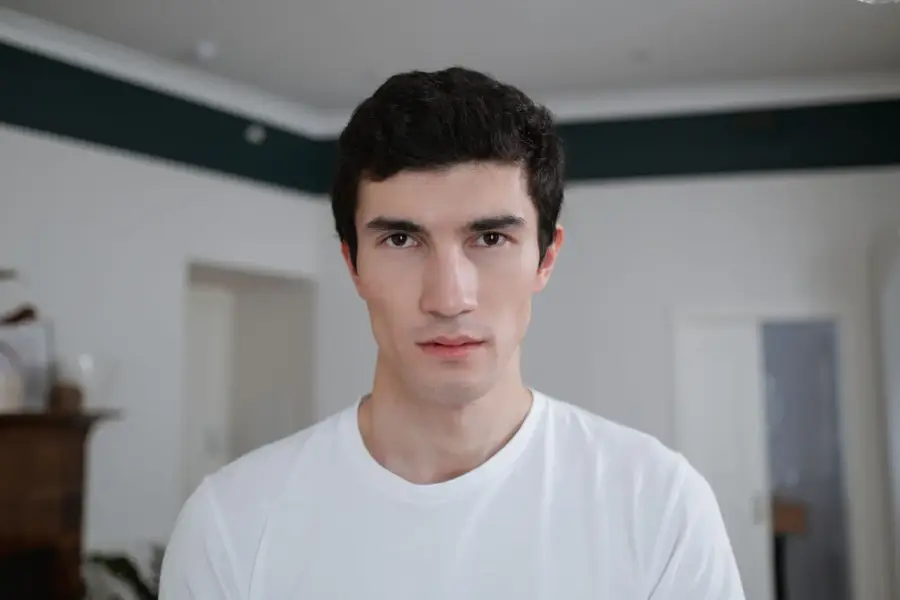
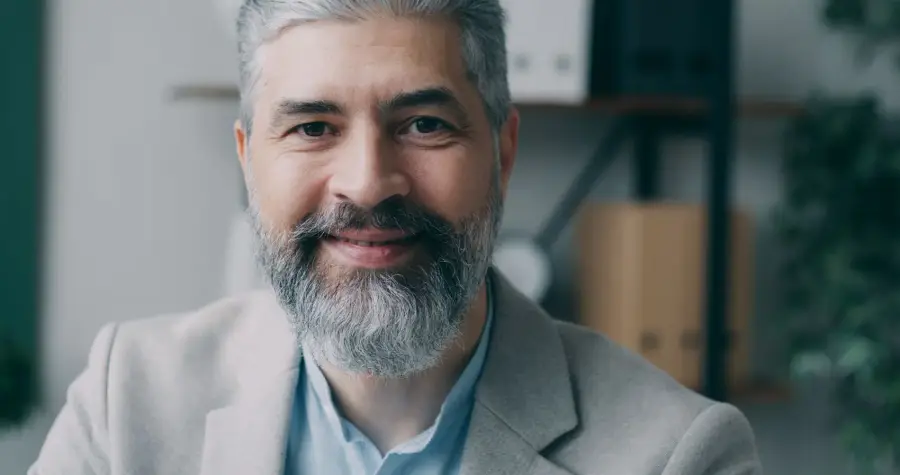
At this stage
What happens to your skin?
01
Collagen is slowing down
Production of collagen, the skin's support tissue, decreases with age. Because men's skin is thicker, the drop isn't noticeable at first; but expression lines on the forehead, between the brows and at the corners of the eyes start to show even when your face is at rest.
02
The sun bill arrives
Most visible aging on the face comes from the sun, not chronological age. Brown spots and rough texture appearing on the cheekbones, the bridge of the nose and the forehead are the result of years of unprotected hours outdoors.
03
Acne may still be an issue
One in five men aged 30–39 report still having acne. At this stage, pimples usually flare up along the jaw and neck, during stressful periods and after heavy sweating.
04
Tired under-eyes
The skin around the eyes is the thinnest on the face. Puffiness and dark circles become more noticeable with lack of sleep, screens, alcohol and salty food; with age, the fat pads under the eyes can also become more visible.
05
Your hairline may keep receding
Male pattern hair loss is a process that progresses with age. In their 30s, a receding hairline at the temples and thinning at the crown become noticeable for many men; approaches started early do more to help preserve the hair you have.
From within
The effect of hormones
In men, testosterone begins a slow but steady decline from the 30s onward; in men followed over long periods, this decrease was shown to continue over the years independent of illness. The drop usually isn't felt at this stage, but weight gain, inactivity and poor sleep can speed it up. DHT, meanwhile, keeps acting on the scalp, which is why hair loss isn't expected to stop as testosterone declines.
Cortisol is the real issue of your 30s. Workload, young kids and broken sleep can keep stress hormones high for long periods. Reviews have shown that chronic stress increases skin inflammation, flares up conditions like acne, seborrheic dermatitis, psoriasis and eczema, and contributes to skin aging. Widespread hair shedding that starts 2–3 months after a stressful period is often a reflection of this hormonal load as well.
Focus
Priorities at this age
01
Sunscreen is non-negotiable
Using sunscreen every day is the step with the strongest evidence for slowing the progression of skin aging. That includes cloudy days and hours in the car.
02
Renewing evening treatment
Starting with a low-strength retinol 2–3 evenings a week can help support collagen production and cell renewal. Increase the frequency as your skin adjusts; don't apply it right after shaving.
03
An antioxidant shield
A vitamin C serum in the morning works like a second line of defense under your sunscreen and can help reduce uneven skin tone.
04
An early move for your hair
If your hair loss is progressing, this is the most productive time to talk through your options with a dermatologist. Bringing back a lost follicle is much harder than protecting the ones you have.
05
A sleep and stress plan
Setting a fixed bedtime and building regular exercise into your week is a shared need of your skin, your hair and your hormone balance.
30s · Ages 30–39
The first lines have appeared: time to switch to protection mode
Step by step
Skin routine
4 steps
- 01
Cleansing
Wash your face, beard line and neck with a gentle, soap-free cleanser. If your skin is getting dry, lukewarm water alone may be enough in the morning.
- 02
Vitamin C serum
It can help reduce oxidative stress from UV and pollution and even out your skin tone. If your skin is sensitive after shaving, wait a few minutes before applying it.
- 03
Moisturizer
A light moisturizer with hyaluronic acid and glycerin, plus a separate light cream for the eye area. A gel texture suits oily skin; a lotion suits combination and dry skin.
- 04
Broad-spectrum sunscreen
Apply an SPF 30–50 product with UVA protection to your face, ears, the back of your neck and, if your hair is thinning, the exposed parts of your scalp. If you're outside for a long time, reapply every 2–3 hours.
What you can add to your routine
Stress shakes the balance
Prolonged stress affects your skin's immune response and barrier; this can disrupt the balance of the skin microbiome and make redness and flaking more likely.
Retinol phase, barrier support
Renewing treatments can strain the barrier. A barrier-repairing moisturizer with prebiotics can help ease this transition by supporting your skin's beneficial bacteria.
Care you can use in your routine
EcoProbiotic MenCare range ↗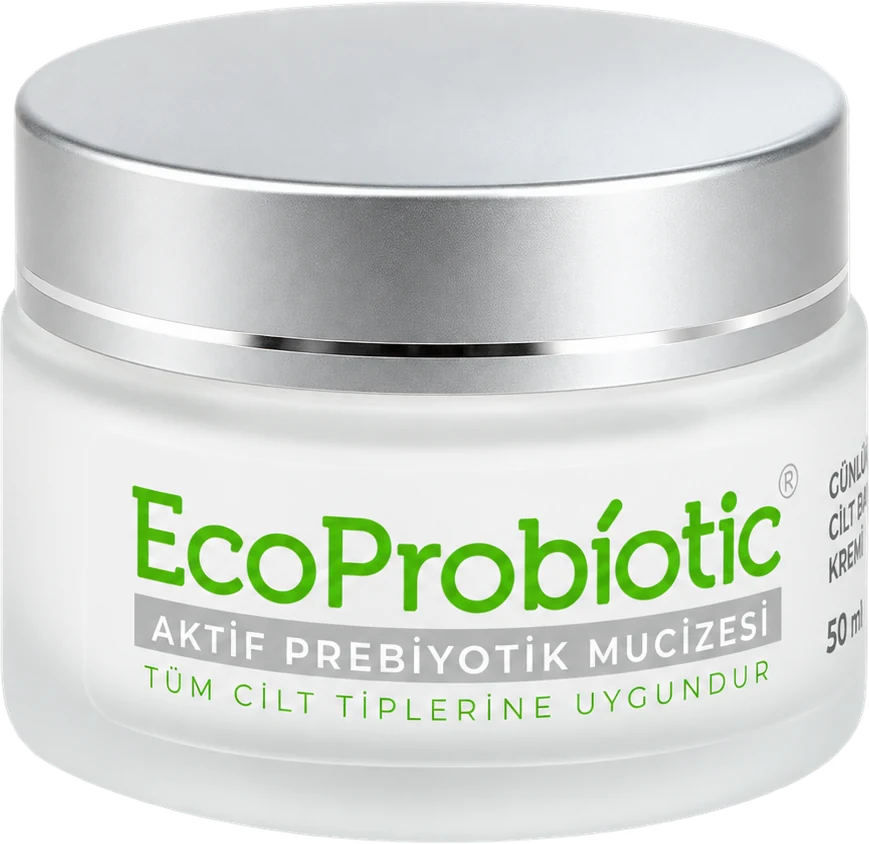 Moisturising01Prebiotic Face CreamA thin layer morning and evening; on shaving days, right after you shave. Moisturises the skin and supports its barrier.View ↗
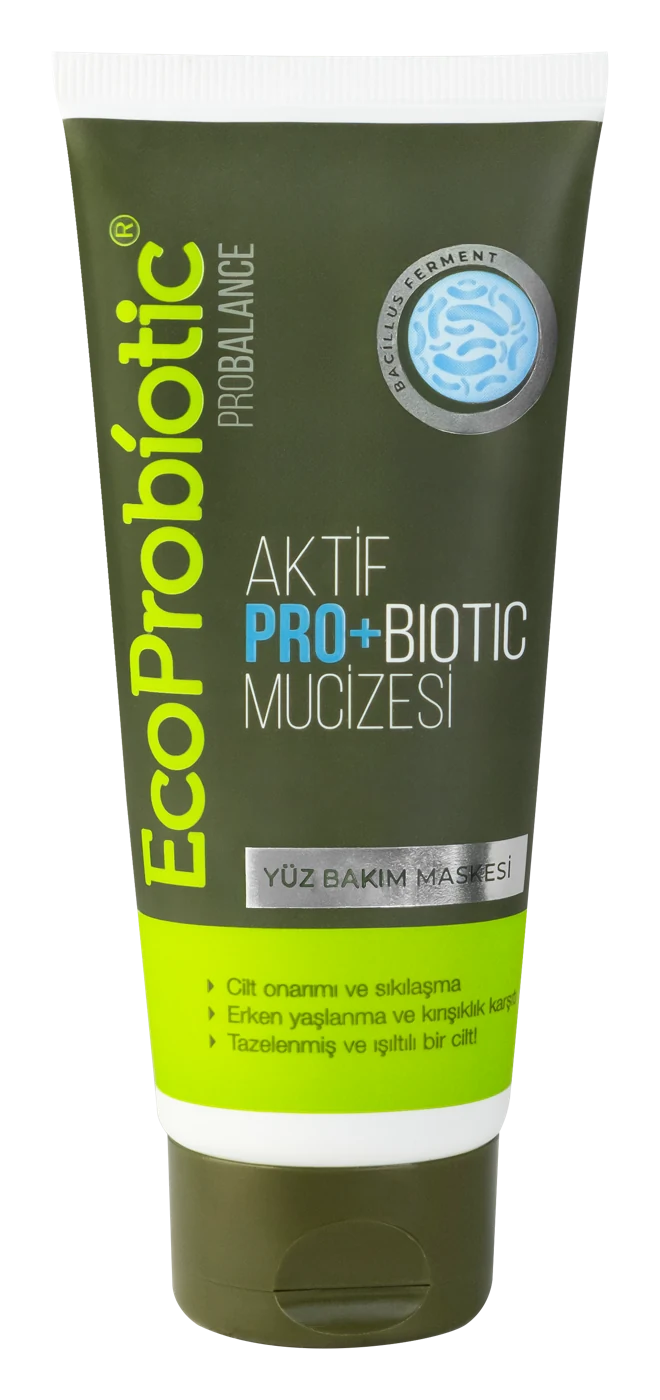 Weekly care02Prebiotic Volcanic Clay MaskOnce or twice a week, for ten minutes. Absorbs excess oil and leaves the skin matte and clean.View ↗
 Scalp03Prebiotic ShampooFor an oily, itchy scalp. Removes oil and dirt and supports the scalp barrier; suitable for daily use.View ↗
Hair, scalp and beard
Hair and beard routine
5 steps
- 01
Care for your scalp
Apply a gentle shampoo while massaging your scalp, and rinse thoroughly. A healthy scalp lays the groundwork for stronger hair growth.
- 02
Document and track your hair loss
Photograph your hairline and crown every six months in the same light. If there's progress, bringing these photos to your dermatologist makes the assessment easier.
- 03
Recognize stress shedding
Widespread shedding that starts 2–3 months after intense stress, a serious illness or rapid weight loss is usually telogen effluvium and tends to recover within months once the trigger is gone.
- 04
Protect your scalp from the sun
As hair thins, the scalp gets exposed to the sun. A hat or a spray sunscreen made for the scalp can help reduce the risk of burns and spots.
- 05
Wash out styling products, even with short hair
If you use wax or clay every day, washing it out in the evening helps your scalp breathe and can reduce itching.
Most common
Common concerns
Male pattern hair loss
It becomes noticeable for many men at this stage. An early evaluation gives you more options for protecting the hair you have.
Read in the atlas →Telogen effluvium
Widespread hair shedding after stress, illness or dieting. It usually recovers once the trigger has passed.
Read in the atlas →Sun damage
Forehead lines, rough texture and brown spots. It's the visible result of sun exposure built up in your 20s.
Read in the atlas →Dark circles and under-eye bags
They become more noticeable with lack of sleep, alcohol and genetics. Regular sleep, sun protection and a light eye cream can soften their appearance.
Read in the atlas →Seborrheic dermatitis
During stressful periods it flares up as red, greasy flaking between the eyebrows, beside the nose and under the beard.
Read in the atlas →Rosacea
Persistent redness on the cheeks and nose, and facial flushing that gets worse with heat and alcohol. In men it can progress to thickening of the nose; early evaluation is important.
Read in the atlas →Daily life
Lifestyle
Sleep isn't negotiable
Broken, shortened sleep weakens both testosterone and your skin's repair. Keeping a fixed bedtime and a dark, cool bedroom improves sleep quality.
Quit smoking
Smoking reduces collagen production, increases the enzymes that break down collagen and elastic fibers, and is one of the most important environmental causes of premature skin aging. The day you quit is a win for your skin too.
Get moving
Regular exercise increases blood flow to the skin, releases stress and is one of the strongest tools against the weight gain that speeds up testosterone decline.
Limit alcohol
Alcohol dries out your skin, widens the small blood vessels in your face and can flare up redness conditions like rosacea. It also lowers sleep quality.
Take breaks at your desk
Long hours at a screen tire the eye area and increase stress. Taking a short break every hour and focusing your eyes on something far away is good for both your under-eyes and your mind.
Popular searches
Most asked about 30s
Your questions
Frequently asked questions
01Can men use retinol?+
Yes. Retinol doesn't care about gender; it can help support collagen production and cell renewal. Start with a low-strength product 2–3 evenings a week, don't apply it right after shaving, and always use sunscreen during the day.
02Why do forehead wrinkles show up early?+
Facial expressions, sun, smoking and lack of sleep are the biggest factors. Years without sun protection wear down collagen quickly. Daily sunscreen and retinol in the evening can help slow the progression.
03Why am I still getting acne at 30?+
Adult acne is more common than you'd think; about one in five men in their 30s report having acne. Stress, lack of sleep, sweat, friction from helmets or collars, and pore-clogging products can trigger it. If it doesn't improve, you need a dermatologist's evaluation.
04Does stress really cause hair loss?+
Yes. Widespread shedding that starts 2–3 months after intense stress is called telogen effluvium and is usually temporary. Stress can also make existing male pattern hair loss look more noticeable.
05What can I do about dark circles under my eyes?+
Regular sleep, cutting back on alcohol and salt, sunglasses and sun protection suitable for the eye area are the basic steps. Light eye creams with caffeine can help reduce morning puffiness. If your dark circles are genetic or pronounced, you can discuss options with a dermatologist.
Scientific basis
Sources
- 01The prevalence of acne in adults 20 years and older.
Collier CN, Harper JC, Cafardi JA, Cantrell WC, et al. · Journal of the American Academy of Dermatology · 2008 · doi:10.1016/j.jaad.2007.06.045
Showed that 42.5% of men reported having acne in their 20s, 20.1% in their 30s, 12% in their 40s and 7.3% after age 50.
- 02Longitudinal effects of aging on serum total and free testosterone levels in healthy men. Baltimore Longitudinal Study of Aging.
Harman SM, Metter EJ, Tobin JD, Pearson J, Blackman MR · Journal of Clinical Endocrinology and Metabolism · 2001 · doi:10.1210/jcem.86.2.7219
Showed in 890 men that testosterone declines steadily with age, independent of illness, and that low testosterone reaches a prevalence of about 20% over age 60, 30% over 70 and 50% over 80.
- 03Androgenetic alopecia: a review.
Lolli F, Pallotti F, Rossi A, Fortuna MC, Caro G, et al. · Endocrine · 2017 · doi:10.1007/s12020-017-1280-y
Reviewed how male pattern hair loss is the most common progressive type of hair loss in men and results from genetically predisposed follicles gradually shrinking under the influence of androgens.
- 04Male pattern baldness: classification and incidence.
Norwood OT · Southern Medical Journal · 1975 · doi:10.1097/00007611-197511000-00009
Classified male pattern hair loss into stages in 1,000 adult men and showed that hair loss continues to progress over time, even at older ages.
- 05Sunscreen and prevention of skin aging: a randomized trial.
Hughes MC, Williams GM, Baker P, Green AC · Annals of Internal Medicine · 2013 · doi:10.7326/0003-4819-158-11-201306040-00002
Showed that in women and men under 55, skin aging progressed 24% less after 4.5 years in those who used broad-spectrum sunscreen daily compared with those who used it occasionally.
- 06Brain-skin connection: stress, inflammation and skin aging.
Chen Y, Lyga J · Inflammation & Allergy Drug Targets · 2014 · doi:10.2174/1871528113666140522104422
Reviewed how psychological stress can increase skin inflammation through hormonal and nervous system signals, trigger or worsen many skin conditions, and contribute to skin aging.
- 07Tobacco smoke causes premature skin aging.
Morita A · Journal of Dermatological Science · 2007 · doi:10.1016/j.jdermsci.2007.06.015
Reviewed how smoking reduces collagen production, increases the enzymes that break down collagen and elastic fibers, and is a major environmental cause of premature skin aging.
- 08The role of topical probiotics in skin conditions: A systematic review of animal and human studies and implications for future therapies.
Knackstedt R, Knackstedt T, Gatherwright J · Experimental Dermatology · 2020 · doi:10.1111/exd.14032
Reviewed animal and human studies of probiotics applied to the skin; highlighted promising results in supporting microbiome balance and the need for further research.