Definition
What is Rosacea?
Rosacea is a chronic, inflammatory skin condition that affects the central face (cheeks, nose, chin and forehead) and goes through cycles of flare-ups and calm periods. Its most common signs are easy and long-lasting flushing, persistent redness, visible small blood vessels, pimple-like red bumps and a stinging or burning feeling. Some people also have dryness, burning and redness in their eyes.
The current classification evaluates rosacea by the signs a person actually has (phenotype) rather than splitting it into subtypes. Persistent central facial redness or thickening of the skin (phyma) on its own is considered enough for a diagnosis. Although rosacea is slightly more common in women, it can progress differently in men: men see a doctor later, nose involvement is more common, and rhinophyma, caused by enlargement of the oil glands and connective tissue in the nose, occurs almost exclusively in men.
Rosacea is not acne; there are no blackheads or whiteheads, just bumps on a background of redness. When people mistake it for acne and try to treat it with harsh drying products or alcohol-based lotions, it often gets worse. Although its exact cause isn't known, it involves a complex interplay between the immune system, blood vessel responses, nerve endings and the skin microbiome. Rosacea doesn't go away permanently, but it can be brought well under control with proper treatment and a routine that avoids triggers.
Check yourself
How do you spot it?
- ✓Persistent redness on the cheeks, nose and chin
- ✓Sudden, long-lasting flushing after hot drinks, alcohol, spicy food or exertion
- ✓Fine, visible blood vessels on the nose and cheeks
- ✓Pimple-like red bumps and small inflamed spots on a red background (without blackheads)
- ✓Stinging, burning and a feeling of heat; aftershave that burns
- ✓Thickening, bumpiness, enlarged pores and changes in the shape of the nose (rhinophyma)
- ✓Dry eyes, a gritty feeling, redness of the eyelids
- ✓Dry, flaky and sensitive facial skin
Why it happens
Main causes
01
Irregular blood vessel response
Facial blood vessels respond to stimuli like heat, alcohol, spicy food and stress by dilating excessively. Repeated dilation leads over time to persistent redness and visible small blood vessels.
02
An overreacting innate immune system
In skin with rosacea, the innate immune system responds with inflammation even to harmless stimuli. This underlies the redness, bumps and sensitivity.
03
Sensitized nerve endings
When nerve endings become overly sensitive, they contribute to stinging and burning as well as flushing episodes.
04
Skin mites and the microbiome
A higher density of skin mites in hair follicles and changes in the balance of the microbiome can trigger inflamed bumps.
05
Genetics and fair skin
The risk is higher in people with a family history of rosacea, fair skin and skin that burns easily in the sun; however, rosacea can occur in every skin tone.
06
Chronic sun damage
Years of unprotected sun exposure weaken the supporting tissue and blood vessels beneath the skin. This effect is more pronounced in men who work outdoors.
In daily life
Triggers that cause flare-ups
Medical approach
Treatment options
01
Topical treatments for bumps
For pimple-like red bumps, a dermatologist may recommend antiparasitic creams that act on skin mites, azelaic acid or antibacterial gels. Expert panels recommend choosing these options based on your specific signs.
02
Vessel-constricting gels for persistent redness
For persistent central facial redness, prescription gels that temporarily constrict facial blood vessels can provide a few hours of effect. Talk to your dermatologist about how to use them and the possibility of rebound redness.
03
Oral treatments
For widespread inflamed bumps, low-dose tetracycline-class antibiotics may be used under a dermatologist's supervision to reduce inflammation. In resistant cases, oral vitamin A–derived treatment may also be considered.
04
Laser and light treatments
For visible small blood vessels and persistent redness, vascular lasers and intense pulsed light systems are among the most effective options. These methods usually require several sessions.
05
Procedures for rhinophyma
For thickening and changes in the shape of the nose, methods such as CO2 and Er:YAG lasers, surgical shaving or electrosurgery can help reshape the nose. In the early stage, oral treatments may help slow its progression.
06
Eye involvement
If you have dry or burning eyes, eyelid hygiene, artificial tears and, if needed, an evaluation by an eye doctor are important; untreated eye involvement can progress.
Did you know? · Rosacea
3.9% · A meta-analysis combining 32 studies found rosacea in about 3.9% of adult men; the rate in the general population was 5.46%.
Step by step
Care routine for Rosacea
4 steps
- 01
Gentle cleansing with cool water
Use lukewarm or cool water and a fragrance-free, soap-free cream cleanser. Don't rub your face; pat it dry with a soft towel.
- 02
Go easy on shaving
An electric shaver is generally less irritating for skin with rosacea. If you use a razor, choose an alcohol-free, fragrance-free shaving gel.
- 03
Soothing moisturizer
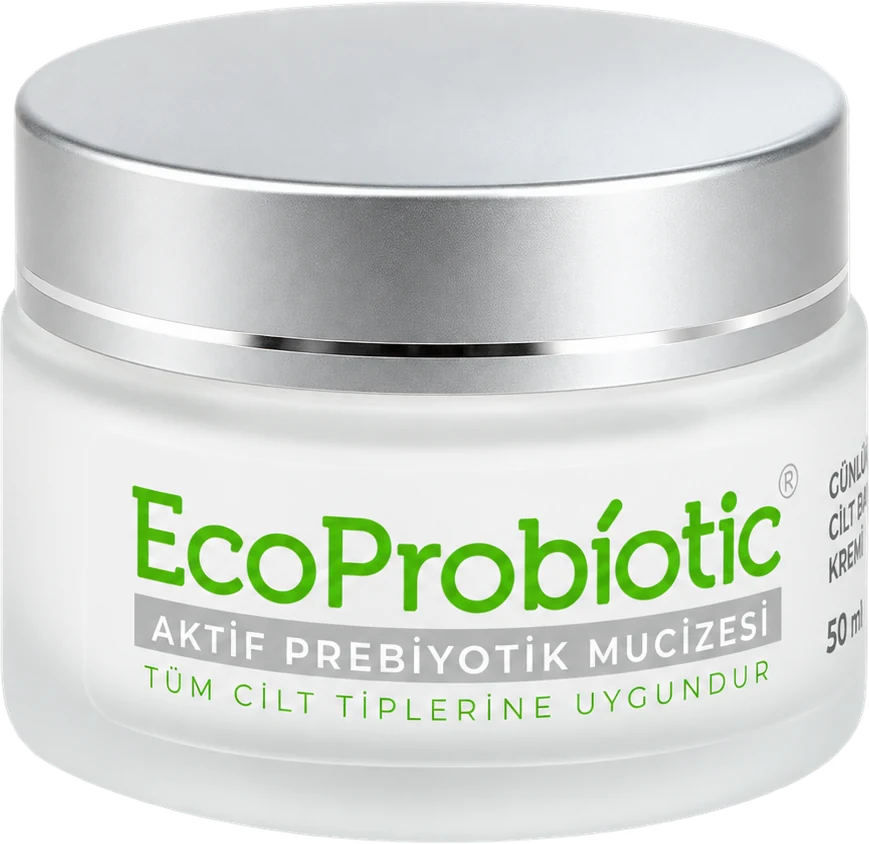
Support your barrier with a light, fragrance-free moisturizer containing prebiotics and ceramides.
- 04
Mineral sunscreen
The sun is one of the strongest rosacea triggers. Use a fragrance-free, broad-spectrum sunscreen with mineral filters for sensitive skin every morning, including on cloudy days.
Caution
What to avoid, and when to see a doctor?
Avoid these
- ✕Alcohol-based aftershaves, cologne and menthol products
- ✕Harsh exfoliants, gritty products and face brushes
- ✕Trying harsh drying acne products on your own
- ✕Using cortisone creams long-term and without supervision (can worsen rosacea)
- ✕Staying long in hot showers, saunas and Turkish baths (hammams)
- ✕Working or exercising outdoors without sunscreen
- ✕Fragranced skincare products with long ingredient lists
See a dermatologist
- →If the redness on your face hasn't gone away for several weeks or is becoming more frequent
- →If you've noticed thickening, bumpiness or a change in the shape of your nose
- →If burning, dryness and redness in your eyes come along with it
- →If products you used thinking it was acne made your skin even redder
- →If the redness bothers you at work or in your social life
Common misconceptions
Myth or fact?
✕Common belief
A man with a red, enlarged nose must be a heavy drinker.
✓Fact
Alcohol can trigger rosacea flare-ups, but it isn't the sole cause of rhinophyma. A study of men with rhinophyma found no significant link between alcohol consumption and rhinophyma. This false belief leads many men to feel ashamed and see a doctor late.
✕Common belief
Rosacea is a kind of acne and clears up with acne products.
✓Fact
Rosacea is a different condition from acne; there are no blackheads or whiteheads. Harsh drying acne products usually irritate skin with rosacea even more.
✕Common belief
Only women get rosacea.
✓Fact
Rosacea is common in men too, and nose involvement and rhinophyma are more common in men. Because men usually get diagnosed later, their condition may be more advanced.
Popular searches
Most asked about Rosacea
Your questions
Frequently asked questions
01How can I tell rosacea apart from sunburn?+
Sunburn peels and fades within a few days. With rosacea, redness lasts for weeks, flares up with hot drinks, alcohol or exertion, and over time small blood vessels become visible. If you're not sure, see a dermatologist.
02Why is rhinophyma more common in men?+
Rhinophyma is caused by enlargement of the oil glands and connective tissue in the nose and occurs almost exclusively in men. Possible reasons for this difference include the greater number of oil glands and higher sebum in male skin, along with the effect of hormones.
03Does rosacea go away permanently?+
Rosacea is a chronic condition and doesn't go away permanently. However, with proper treatment, avoiding triggers and a gentle routine, it's possible to stay symptom-free for long periods.
04Will working out make my rosacea worse?+
Intense exertion and overheating can trigger flushing, but you don't need to give up exercise. Training in a cool environment, keeping cold water with you, taking breaks and washing your face with cool water afterward may help reduce the risk of flare-ups.
05Does shaving affect rosacea?+
Blade friction and alcohol-based shaving products can irritate sensitive skin. An electric shaver, alcohol-free and fragrance-free shaving products and a simple moisturizer after shaving are usually better tolerated.
06How many laser sessions does redness take?+
It varies from person to person, but vascular lasers and intense pulsed light usually require several sessions. Since redness can return over time, maintenance sessions may be planned; your dermatologist will set the right schedule.
Scientific basis
Sources
- 01Incidence and prevalence of rosacea: a systematic review and meta-analysis
Gether L, Overgaard LK, Egeberg A, et al. · British Journal of Dermatology · 2018 · doi:10.1111/bjd.16481
Calculated that rosacea occurs in 5.46% of the general adult population: 5.41% of women and 3.90% of men.
- 02Standard classification and pathophysiology of rosacea: The 2017 update by the National Rosacea Society Expert Committee
Gallo RL, Granstein RD, Kang S, et al. · Journal of the American Academy of Dermatology · 2018 · doi:10.1016/j.jaad.2017.08.037
Recommended classifying rosacea by the signs linked to the disease process (phenotype) rather than by subtypes.
- 03Recommendations for rosacea diagnosis, classification and management: update from the global ROSacea COnsensus 2019 panel
Schaller M, Almeida LMC, Bewley A, et al. · British Journal of Dermatology · 2020 · doi:10.1111/bjd.18420
An international expert panel recommended planning rosacea diagnosis and treatment separately for each sign.
- 04Standard management options for rosacea: The 2019 update by the National Rosacea Society Expert Committee
Thiboutot D, Anderson R, Cook-Bolden F, et al. · Journal of the American Academy of Dermatology · 2020 · doi:10.1016/j.jaad.2020.01.077
Summarized topical, oral and laser treatment options for rosacea by sign, offering a guide to personalized treatment.
- 05Differences in the Clinical Characteristics of Male Patients With Different Ages of Rosacea: A Retrospective Study of 215 Male Outpatients
Huang Y, Chen S, Liu X, et al. · Journal of Cosmetic Dermatology · 2025 · doi:10.1111/jocd.16620
In 215 male rosacea patients, showed that the most common sign was persistent redness, that nose involvement was prominent and that the condition was more severe after age 45.
- 06Rhinophyma: dispelling the myths
Curnier A, Choudhary S · Plastic and Reconstructive Surgery · 2004 · doi:10.1097/01.prs.0000131875.67987.69
In 45 cases of rhinophyma, no significant link was found between alcohol consumption and rhinophyma.
- 07From CO2 to Er:YAG: A Comprehensive Review of Laser Treatments for Rhinophyma
Kamrani P, Boen M, Fabi SG · Journal of Drugs in Dermatology · 2024 · doi:10.36849/JDD.8199
Reviewed efficacy and safety data on the CO2 and Er:YAG lasers used to treat rhinophyma.
- 08Rosacea and the Microbiome: A Systematic Review
Daou H, Paradiso M, Hennessy K, Seminario-Vidal L · Dermatology and Therapy · 2021 · doi:10.1007/s13555-020-00460-1
Systematically reviewed how changes in the skin and gut microbiome may play a role in the development of rosacea.
- 09Rosacea: current state of epidemiology
Tan J, Berg M · Journal of the American Academy of Dermatology · 2013 · doi:10.1016/j.jaad.2013.04.043
Emphasized that rosacea epidemiology varies with diagnostic definitions and that more data are needed for populations outside Northern Europe.