At this stage
What happens to your skin?
01
The sweat, oil and friction trio
Sweat itself doesn't clog pores; but when sweat, oil and friction from tight clothing combine, acne and hair follicle inflammation increase on the forehead, chest, back and shoulders. Helmets, bandanas and chin straps have the same effect where they touch the skin.
02
Warm, damp areas are open to fungus
Athlete's foot, jock itch and body fungus are among the most common skin infections in athletes. The worldwide rise in athlete's foot has been linked to the widespread use of sports and fitness facilities; sweaty socks, wet shoes and shared showers increase the risk.
03
Friction wounds and calluses
Nipple and inner-thigh chafing in runners, palm calluses in people who lift, foot blisters and bleeding under the toenails are common. Repeated friction wears away the skin's top layer and opens the door to infection.
04
The sun: an invisible opponent
People who train outdoors for long periods are exposed to high UV doses and are at risk of both melanoma and other skin cancers. Sweat quickly wipes off sunscreen, and game and race rules can also make protection harder.
05
Chlorine strains the barrier
In elite swimmers, water loss from the skin was shown to rise more noticeably after a 2-hour pool session than in soccer players. Chlorinated water dries out the skin, can flare up eczema and can leave hair dry and brittle.
From within
The effect of hormones
Intense training temporarily shifts the balance between testosterone, growth hormone and cortisol. Exercise done in balance with enough rest is generally good for hormone balance; but overtraining that doesn't allow for recovery, too little sleep and low energy intake can keep cortisol high for long periods. This can make acne, hair loss and slow wound healing more likely. Sleep is at the center of this balance: sleep cut down to 5 hours a night was shown to markedly lower testosterone in young men within a week.
Hormone and anabolic products used in sports settings can lead to severe back and chest acne, faster male pattern hair loss and serious health problems; these products should not be used without a doctor's evaluation. Some people notice their acne gets worse with dairy-based protein powders; if you see such a link, observe your own skin and talk to your dermatologist.
Focus
Priorities at this age
01
Shower right after training
Sitting around in sweaty clothes for a long time makes acne and fungus more likely. If you can't shower, at least wash your face and put on a dry T-shirt.
02
Keep your feet dry
Dry well between your toes, choose breathable socks and let your shoes dry out between uses. Wear flip-flops in shared showers.
03
Reduce friction
Before long workouts, apply an anti-chafing balm or petroleum jelly to friction areas like the inner thighs, armpits and nipples; wear technical fabrics that wick sweat away quickly.
04
Water-resistant sunscreen
Outdoors, apply a water- and sweat-resistant SPF 30+ sunscreen 15 minutes before training and reapply during long sessions. Add a hat and sunglasses, and avoid midday hours if you can.
05
Equipment hygiene
Wipe down mats, weight handles and machines before and after use; don't share your towel or gym bag. Clean the inside of your helmet and gloves regularly.
Athletic men · All ages
Skin on the field: on the same team as sweat, friction and sun
Step by step
Skin routine
4 steps
- 01
Gentle cleansing
Wash your face with a soap-free, slightly acidic gel cleanser. If you train in the morning, choose a light gel moisturizer over heavy creams.
- 02
Light moisturizer
A non-comedogenic, water-based moisturizer supports the barrier and won't clog pores when you sweat.
- 03
Sweat-resistant sunscreen
If you're training outdoors, apply a water- and sweat-resistant, broad-spectrum SPF 30–50 sunscreen to your face, ears, the back of your neck, shoulders and arms.
- 04
Friction areas
Before running, cycling or a long hike, apply a protective balm to your inner thighs, armpits and nipples.
What you can add to your routine
Sweat and your skin's crew
Sweat is both a food and moisture source for bacteria and yeast on the skin's surface. Every hour you stay sweaty works in favor of the microbes behind acne, fungus and odor.
You don't need antibacterial soap every day
Using a strong antibacterial product in every shower also reduces beneficial bacteria and can weaken the barrier. Slightly acidic, gentle cleansers protect your skin's line of defense.
Care you can use in your routine
EcoProbiotic MenCare range ↗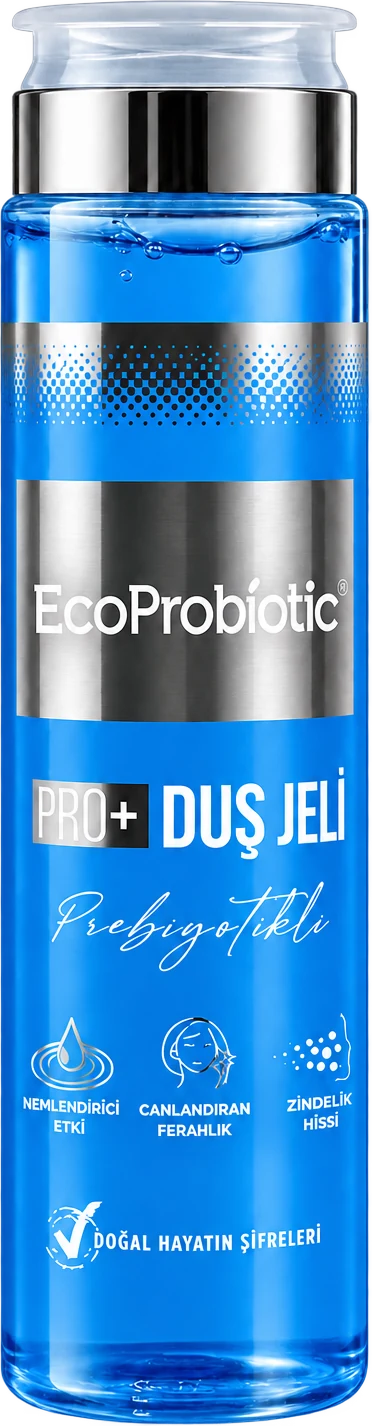 Body01Prebiotic Shower GelThoroughly cleanses the areas that hold sweat; moisturises the skin and supports its barrier. Morning or evening, every day.View ↗
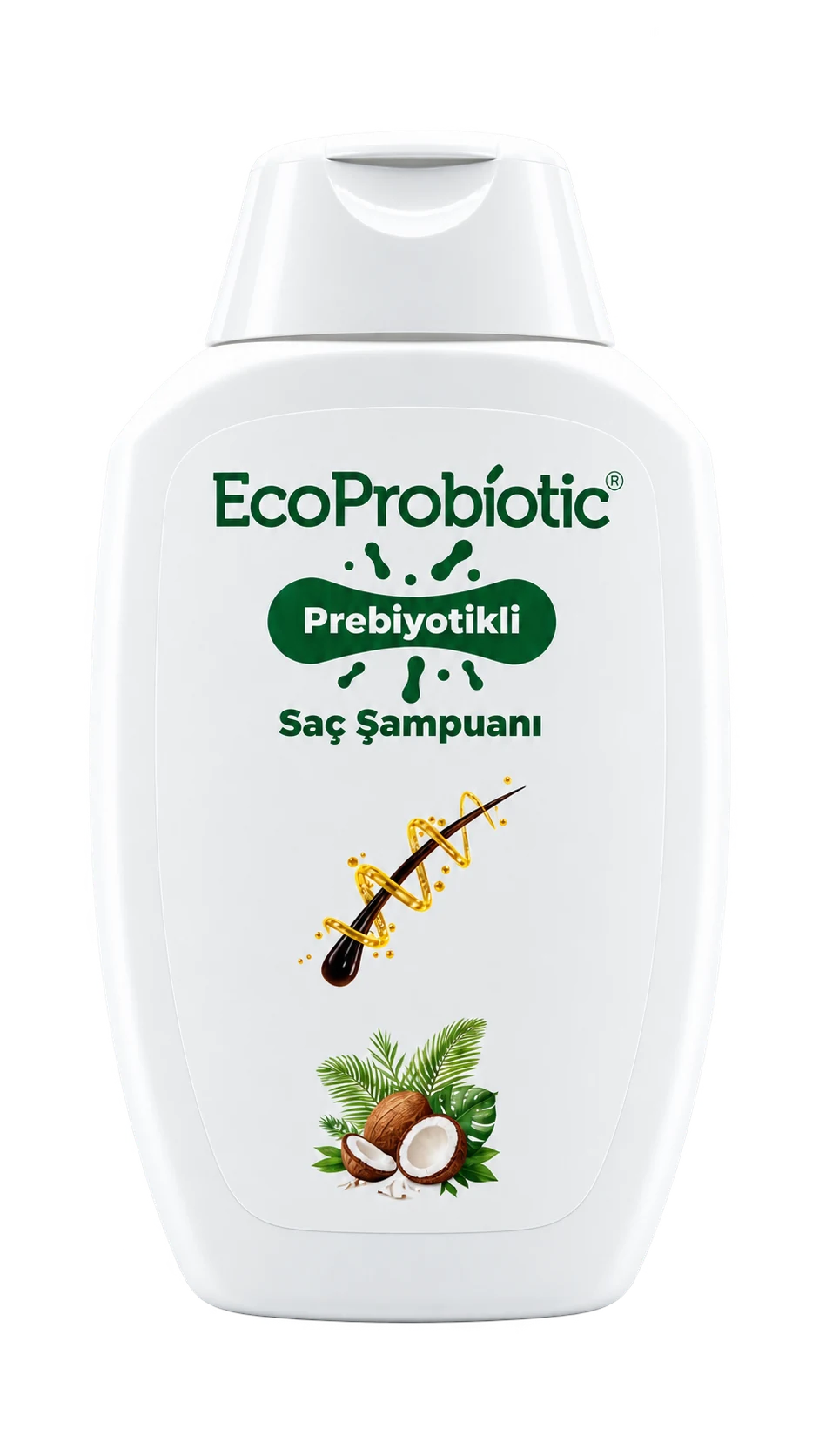 Scalp02Prebiotic ShampooFor an oily, itchy scalp. Removes oil and dirt and supports the scalp barrier; suitable for daily use.View ↗
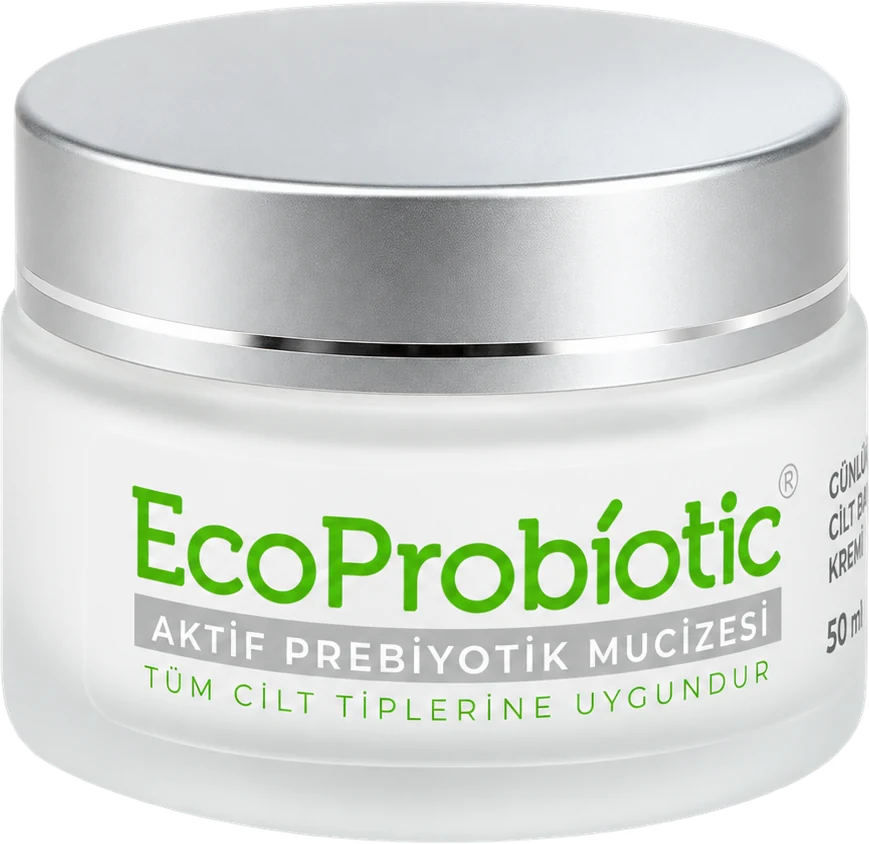 Moisturising03Prebiotic Face CreamA thin layer morning and evening; on shaving days, right after you shave. Moisturises the skin and supports its barrier.View ↗
Hair, scalp and beard
Hair and beard routine
4 steps
- 01
Sweaty scalp
If you train every day, washing your hair every day is normal; a gentle shampoo cleans away sweat and oil without drying out your scalp.
- 02
Before and after the pool
Wetting your hair with fresh water before getting in the pool helps it absorb less chlorinated water. Wear a swim cap, rinse your hair and skin right after getting out, then apply a moisturizing conditioner.
- 03
Helmets and beanies
Under helmets, beanies and bandanas, the scalp stays hot and damp, which can make dandruff and hair follicle inflammation more likely. Wash the liner regularly and let it dry after use.
- 04
Scalp in the sun
For athletes with thinning hair, the scalp is directly exposed to the sun. Use a hat or a spray sunscreen made for the scalp.
Most common
Common concerns
Athlete's foot
Itching, peeling and odor between the toes. Shared showers and sweaty shoes are the most common ways it spreads.
Read in the atlas →Jock itch
An itchy rash with well-defined edges on the groin and inner thighs. Sweaty shorts and skin that isn't dried well make it more likely.
Read in the atlas →Back and chest acne
It flares up with sweat, tight workout clothes and friction. Showering right after training and breathable fabrics make a difference.
Read in the atlas →Excessive sweating and odor
Sweating that affects daily life outside of sports too is a condition seen in about one in twenty people, and there are treatment options for it.
Read in the atlas →Sun damage
People who train outdoors have a higher risk of sunburn, spots and, in the long run, skin cancer. Sweat-resistant sunscreen and a hat are the basic steps.
Read in the atlas →Folliculitis
Small, pus-filled bumps around beard and body hair under sweaty, tight clothing. Cleanliness and keeping the skin dry are important.
Read in the atlas →Eczema and chlorine dryness
In swimmers, chlorine and frequent showers can flare up eczema. Rinsing after the pool and moisturizing right away support the barrier.
Read in the atlas →Daily life
Lifestyle
Recovery is training too
Enough sleep and rest days support hormone balance, muscle repair and your skin's recovery. If you feel tired all the time, it may be time to dial back your training load.
Fluid and salt balance
Replacing the fluid you lose during long, hot workouts is important for both performance and your skin. Plan to drink water without waiting until you're thirsty.
Nutrition
Enough protein, vegetables, fruit and healthy fats support muscle and skin repair. Sugary energy drinks and ultra-processed snacks can make you more prone to acne.
Be careful with supplements
Products containing hormones and anabolics can seriously harm your skin and overall health. Talk to a doctor or dietitian before using supplements.
Sun hours
If possible, schedule outdoor workouts for early morning or late afternoon. UV is at its highest around midday.
Popular searches
Most asked about Athletic men
Your questions
Frequently asked questions
01Why do I break out after working out?+
Sweat, oil and friction from tight clothing increase clogged pores and hair follicle inflammation. Showering right after training, wearing breathable technical fabrics and not rewearing sweaty clothes help reduce breakouts.
02Can you catch a fungal infection at the gym?+
Yes, shared showers, locker rooms, mats and shared towels can be ways athlete's foot and body fungus spread. Wearing flip-flops, wiping down mats, not sharing your towel and drying your skin thoroughly reduce the risk.
03My inner thighs get irritated after running. What should I do?+
This is friction-related irritation. Before long runs, apply an anti-chafing balm or petroleum jelly, and wear seamless, sweat-wicking tights or shorts. A well-defined, ring-shaped, itchy rash, however, may point to jock itch and needs a doctor's evaluation.
04Why does my skin get dry after swimming?+
Chlorinated water and frequent showers strain the skin's oil layer and barrier; in swimmers, water loss from the skin was shown to increase after training. When you get out of the pool, rinse off right away with fresh water and apply moisturizer while your skin is still damp.
05Does sunscreen run off with sweat when I work out?+
Regular sunscreens can wipe off quickly with sweat. Choose a water- and sweat-resistant product, apply it 15 minutes before training, and reapply during long sessions and after swimming or heavy sweating. A hat and long-sleeved technical clothing add extra protection.
06Does protein powder cause acne?+
Not in everyone. Some people notice their acne gets worse with dairy-based protein powders. If you see such a link, take a break for a few weeks to observe and talk to your dermatologist. Hormone-containing products, however, can lead to severe acne and should not be used without a doctor's evaluation.
Scientific basis
Sources
- 01Skin manifestations of athletes competing in the summer olympics: what a sports medicine physician should know.
De Luca JF, Adams BB, Yosipovitch G · Sports Medicine · 2012 · doi:10.2165/11599050-000000000-00000
Reviewed how athlete's foot and body fungus, hair follicle inflammation, friction blisters, calluses and irritation are common in athletes, and how the risk of skin cancer increases in those who train in the sun for long periods.
- 02Ultraviolet radiation and the athlete: risk, sun safety, and barriers to implementation of protective strategies.
Jinna S, Adams BB · Sports Medicine · 2013 · doi:10.1007/s40279-013-0021-5
Reviewed how people who exercise outdoors are at high risk of skin cancer from UV, and how avoiding peak hours, using SPF 30 or higher, and wearing a hat, sunglasses and long sleeves reduce the risk.
- 03Effects of Exercise on the Skin Epithelial Barrier of Young Elite Athletes-Swimming Comparatively to Non-Water Sports Training Session.
Paciência I, Rodolfo A, Leão L, Silva D, Cavaleiro Rufo J, et al. · International Journal of Environmental Research and Public Health · 2021 · doi:10.3390/ijerph18020653
Showed that in elite swimmers, water loss from the skin rose more noticeably after a 2-hour pool session than in soccer players, and that the chlorinated pool environment can affect barrier function.
- 04The Potential of Exercise on Lifestyle and Skin Function: Narrative Review.
Oizumi R, Sugimoto Y, Aibara H · JMIR Dermatology · 2024 · doi:10.2196/51962
Reviewed how regular exercise can increase skin blood flow and hydration and ease age-related changes, while swimming in chlorinated pools can strain the barrier.
- 05Tinea pedis: the etiology and global epidemiology of a common fungal infection.
Ilkit M, Durdu M · Critical Reviews in Microbiology · 2015 · doi:10.3109/1040841X.2013.856853
Linked the worldwide rise in athlete's foot to urbanization, widespread use of sports and fitness facilities, obesity and an aging population.
- 06Hyperhidrosis: an update on prevalence and severity in the United States.
Doolittle J, Walker P, Mills T, Thurston J · Archives of Dermatological Research · 2016 · doi:10.1007/s00403-016-1697-9
Found a prevalence of excessive sweating of 4.8% in a representative sample of 8,160 people, and showed that only half of those affected had discussed it with a health professional.
- 07Effect of 1 week of sleep restriction on testosterone levels in young healthy men.
Leproult R, Van Cauter E · JAMA · 2011 · doi:10.1001/jama.2011.710
Showed that limiting sleep to 5 hours a night for one week markedly lowered daytime testosterone levels in healthy young men.
- 08The human skin microbiome.
Byrd AL, Belkaid Y, Segre JA · Nature Reviews Microbiology · 2018 · doi:10.1038/nrmicro.2017.157
Reviewed how the skin microbiome varies by area (oily, moist, dry) and contributes to maintaining the barrier through constant communication with the immune system.