Many men put off starting skin care because they think it's complicated. Seeing dozens of serums, toners and masks on the shelves, they wonder how any of it fits into an already packed morning. The good news: the things that make the biggest difference for your skin are the most basic ones.
Reviews on cleansers and moisturizers in the dermatology literature stress that gentle cleansing and regular moisturizing are the most important elements of a healthy skin barrier. Add sun protection during the day and you've covered most of the job.
Step 1: cleanse
Wet your face with lukewarm water, lather a pea-sized amount of cleanser in your palms and gently massage it into your face for about half a minute. Don't skip your beard and the sides of your nose. Rinse thoroughly and pat dry with a towel instead of rubbing.
When choosing a cleanser, the goal isn't to strip away all the oil, just the excess. If your skin feels tight after washing, the product may be too harsh for you. Classic bar soaps are mostly alkaline, while the skin's natural surface is slightly acidic. That's why slightly acidic, gentle-lather gel cleansers usually feel more comfortable on a man's face.
Step 2: moisturize
Oily skin needs moisture too. A moisturizer slows the evaporation of water from the top layer of skin and supports barrier repair. Light, fast-absorbing gel or fluid textures are usually more comfortable for men's skin. Ingredients such as glycerin, hyaluronic acid and ceramides are good signs; a moisturizer with prebiotic ingredients is also an option that may help support the skin's natural balance.
Moisturizer works best when applied to slightly damp skin within the first few minutes after washing. On shaving days, you can use the same moisturizer instead of, or after, your aftershave balm.
Step 3: protect
The last step of your morning routine is a broad-spectrum sunscreen of at least SPF 30. In a randomized study in Australia, people who used sunscreen regularly showed less progression of skin aging signs over four and a half years. This step isn't just for summer; it applies every day, including your commute to the office or work.
The simpler the routine, the longer it lasts. And the routine that lasts gives the best results.
Common mistakes
- Washing your face with very hot water for a long time in the shower
- Using body soap or shampoo on your face
- Washing your face three or four times a day to fight shine
- Thinking moisturizer is unnecessary for oily skin
- Trying a new product every week and never giving any of them a chance
- Only remembering sunscreen on vacation
When should you add a step?
Once these three steps have become a habit over a few weeks, you can add a new step if you have a specific need. If you have noticeable breakouts, persistent redness or flaking, seeing a dermatologist is the fastest way to pick the right step instead of trying random products.
Remember: skin care isn't a race. Five minutes a day does far more than an hour of pampering once a month.
Helpful as you build this routine
EcoProbiotic MenCare range ↗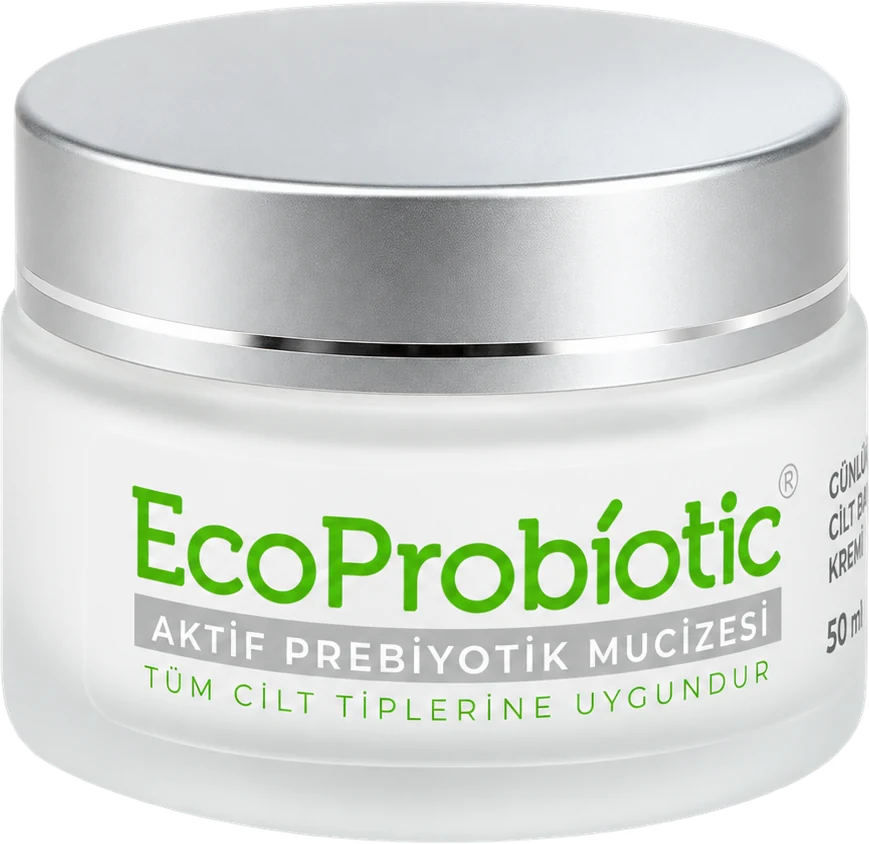 Moisturising01Prebiotic Face CreamA thin layer morning and evening; on shaving days, right after you shave. Moisturises the skin and supports its barrier.View ↗
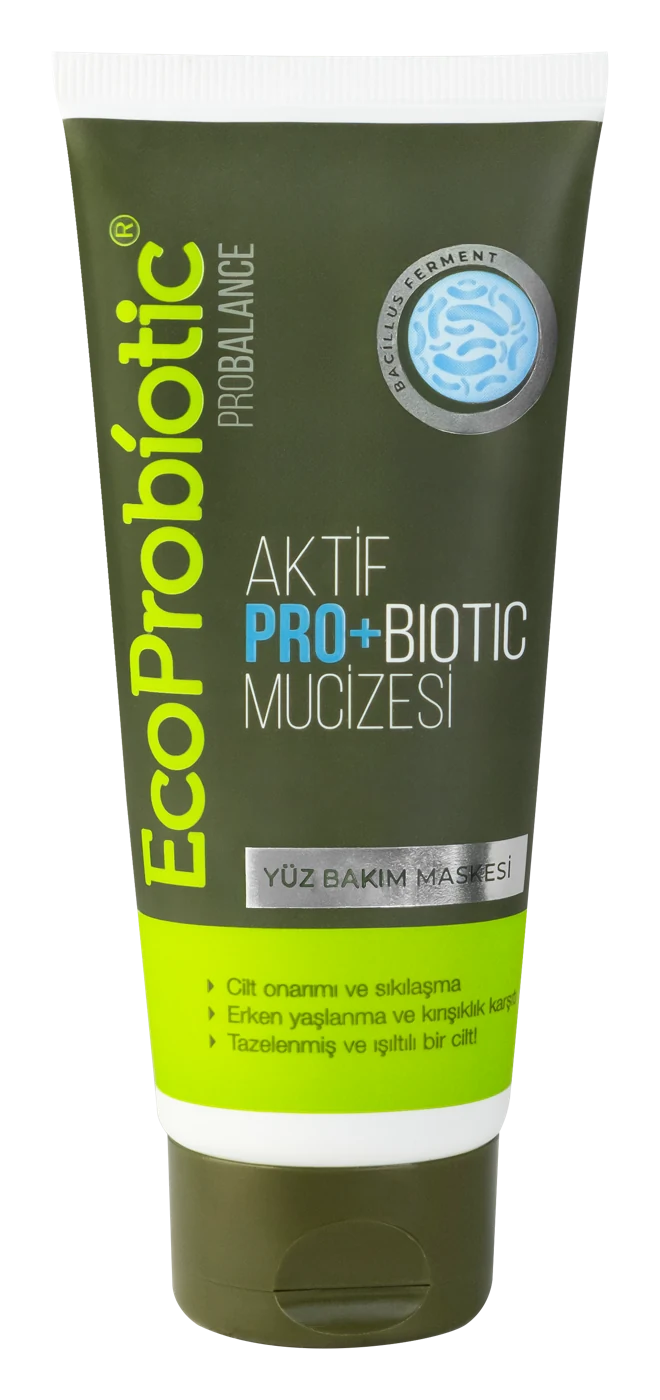 Weekly care02Prebiotic Volcanic Clay MaskOnce or twice a week, for ten minutes. Absorbs excess oil and leaves the skin matte and clean.View ↗
Sources
- 01The science behind skin care: Cleansers
Draelos ZD · Journal of Cosmetic Dermatology · 2018 · doi:10.1111/jocd.12469
Evaluated types of cleansers and the effects of surfactants on the skin barrier, emphasizing the importance of gentle cleansing.
- 02The Role of Moisturizers in Addressing Various Kinds of Dermatitis: A Review
Purnamawati S, Indrastuti N, Danarti R, Saefudin T · Clinical Medicine & Research · 2017 · doi:10.3121/cmr.2017.1363
Reviewed the role of moisturizers in supporting barrier function and skin hydration.
- 03Natural skin surface pH is on average below 5, which is beneficial for its resident flora
Lambers H, Piessens S, Bloem A, Pronk H, Finkel P · International Journal of Cosmetic Science · 2006 · doi:10.1111/j.1467-2494.2006.00344.x
Reported that natural skin surface pH is on average below 5 and that this acidic environment is favorable for the skin.
- 04Sunscreen and Prevention of Skin Aging
Hughes MCB, Williams GM, Baker P, Green AC · Annals of Internal Medicine · 2013 · doi:10.7326/0003-4819-158-11-201306040-00002
Showed that adults who used sunscreen daily had less progression of skin aging signs over four and a half years.