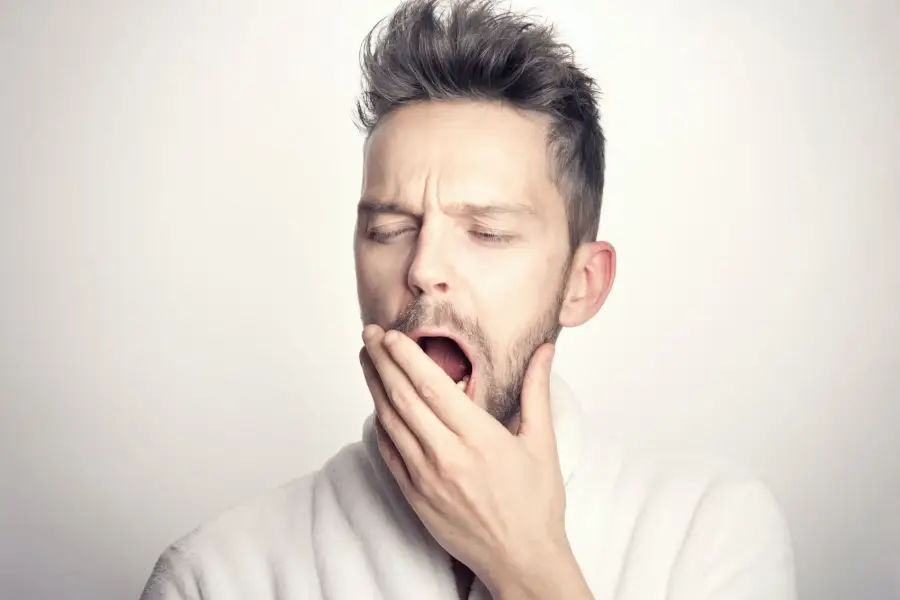
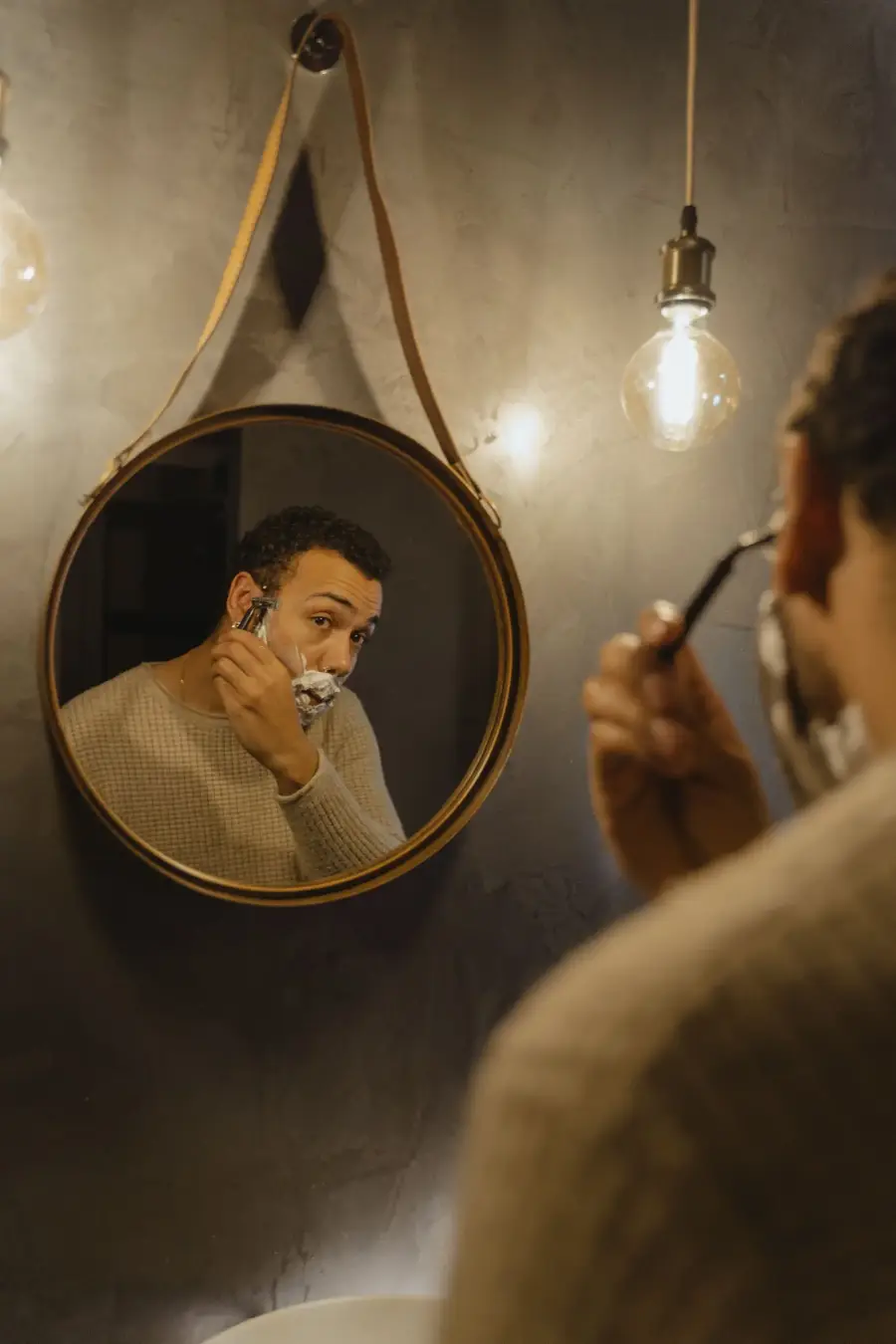
In Turkey, the splash of kolonya, a traditional lemon cologne, on your face before getting out of the barber's chair has long been a symbol of cleanliness and freshness. Those few seconds of burning were seen as part of the deal; for some, it even meant "if it burns, it's working." In reality, that burn is your skin's way of telling you something.
What does a razor do to your skin?
While trying to cut hair close to the skin surface, shaving also comes into contact with the skin's protective outer layer. The coarse, dense structure of beard hair pushes men to press down and go over the same area again and again. A review on beard hair and facial skin stresses that these habits increase the chance of shaving-related irritation. In the end, the shave is done, but small invisible gaps may be left in the barrier.
Why does alcohol burn?
The main ingredient in cologne and classic alcohol-based aftershaves is ethanol. On intact skin, ethanol evaporates quickly and usually doesn't cause a serious problem. A comprehensive review evaluating the safety of ethanol on the skin notes that topical ethanol is generally considered safe on intact skin, but that stinging and burning are more likely on irritated or damaged skin.
Right after a shave, your skin is in exactly that state. Alcohol reaches nerve endings through the exposed surfaces and creates that familiar burning sensation. On top of that, alcohol can dissolve the lipids in the top layer of skin. This can make a barrier that's already stressed by daily shaving even drier and tighter.
The burning doesn't mean the product is working; it means your barrier is open at that moment.
But what about germs?
The idea behind using cologne after shaving is to protect tiny nicks from germs. But a clean razor, clean hands and a face rinsed with plenty of water largely take care of that. Most of the resident microorganisms on your skin's surface are harmless and live in balance on a slightly acidic surface. Instead of shaking up that balance with alcohol after every shave, it makes more sense to give the barrier time to rebuild its own defenses.
A more comfortable post-shave routine
- When you finish shaving, rinse your face generously with cool or lukewarm water.
- Pat dry with a towel instead of rubbing.
- Instead of an alcohol-heavy lotion, apply an alcohol-free, soothing aftershave balm or a light moisturizer.
- Textures containing glycerin, panthenol and barrier-supporting lipids are a good choice.
- If you love the scent, spray your fragrance on your clothes or the side of your neck, not your face.
- If you nick yourself, press a clean cotton pad on it and wait; once the bleeding stops, moisturize.
Do you have to give up cologne completely?
Cologne has a special place in Turkish culture, and it can still be part of freshening your hands and welcoming guests. The problem is putting it on your face right after shaving. If your skin isn't sensitive and you don't have issues using it now and then, there's no need to worry. But if you get burning, redness and tightness after every shave, you may notice the difference on your skin within a few weeks of changing this habit.
If redness and bumps after shaving last for weeks despite regular care, having a dermatologist evaluate your skin is the right next step.
Helpful as you build this routine
EcoProbiotic MenCare range ↗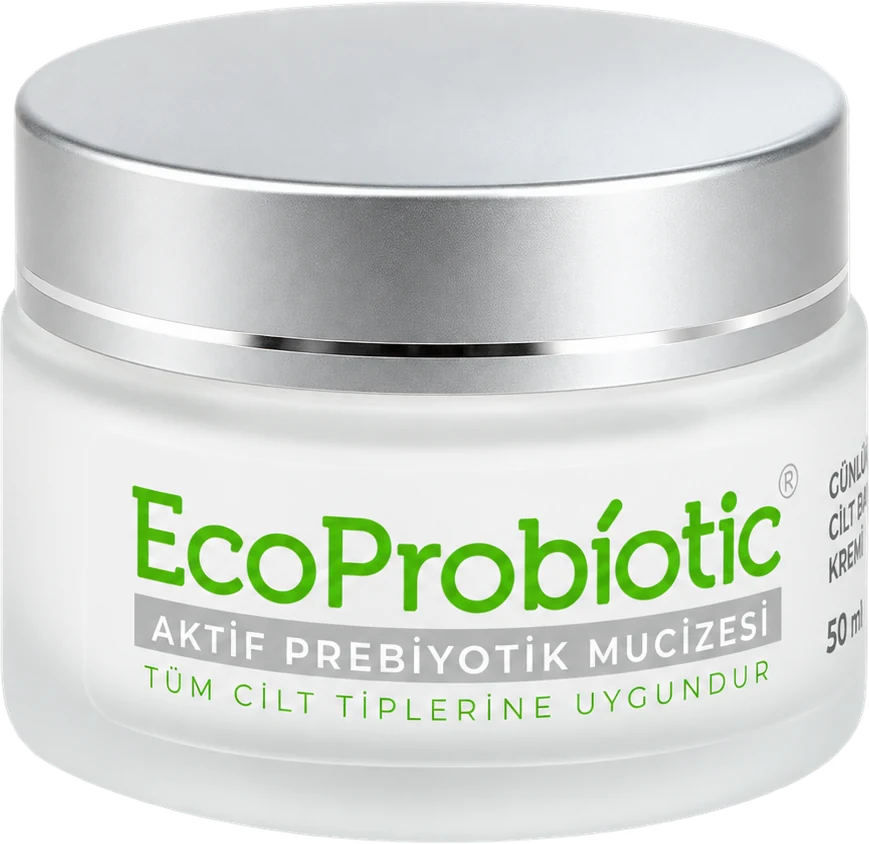 Moisturising01Prebiotic Face CreamA thin layer morning and evening; on shaving days, right after you shave. Moisturises the skin and supports its barrier.View ↗
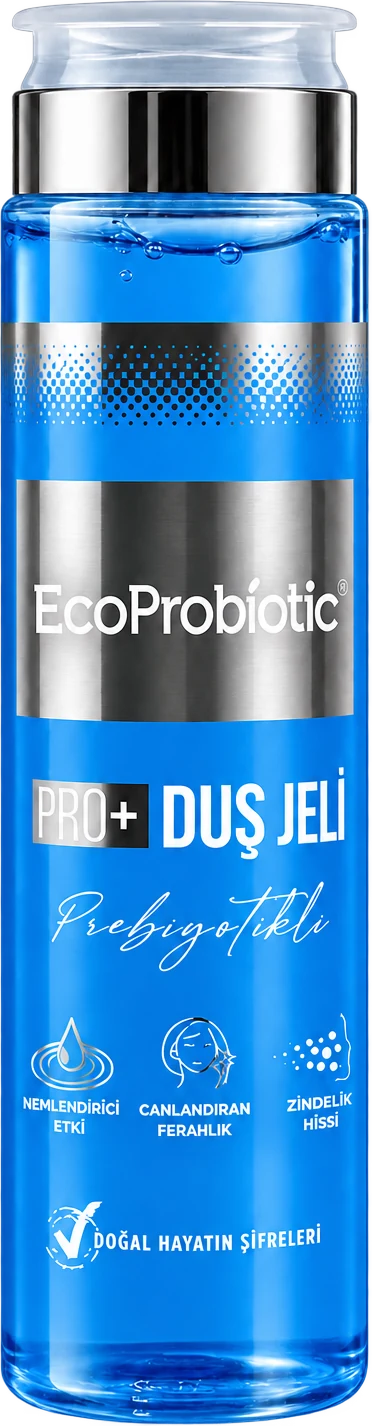 Body02Prebiotic Shower GelThoroughly cleanses the areas that hold sweat; moisturises the skin and supports its barrier. Morning or evening, every day.View ↗
Sources
- 01Safety evaluation of topical applications of ethanol on the skin and inside the oral cavity
Lachenmeier DW · Journal of Occupational Medicine and Toxicology · 2008 · doi:10.1186/1745-6673-3-26
Concluded that ethanol is generally considered safe on intact skin, while burning and irritation reactions are more likely on irritated or damaged skin.
- 02The male beard hair and facial skin – challenges for shaving
Maurer M, Rietzler M, Burghardt R, Siebenhaar F · International Journal of Cosmetic Science · 2016 · doi:10.1111/ics.12328
Described how shaving with pressure and multiple strokes increases the chance of shaving-related skin irritation.
- 03The biomechanics of blade shaving
Cowley K, Vanoosthuyze K · International Journal of Cosmetic Science · 2016 · doi:10.1111/ics.12330
Showed that a poor shave can cause a noticeable inflammatory response and irritation in the skin.
- 04Natural skin surface pH is on average below 5, which is beneficial for its resident flora
Lambers H, Piessens S, Bloem A, Pronk H, Finkel P · International Journal of Cosmetic Science · 2006 · doi:10.1111/j.1467-2494.2006.00344.x
Reported that a slightly acidic skin surface is favorable for the resident community of microorganisms.