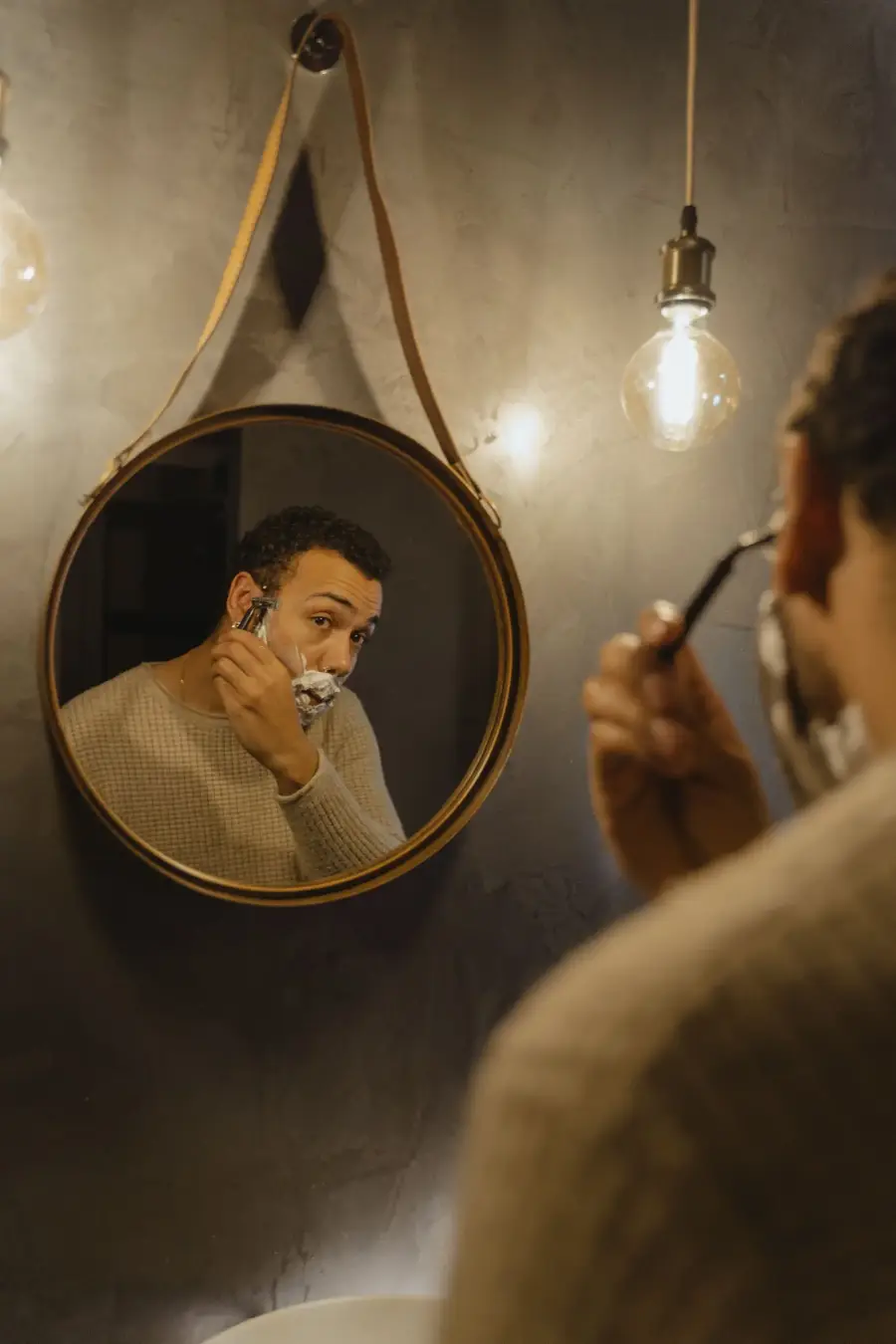
When you decide to grow a beard, the first weeks are usually a test of patience. Your face itches, the beard pokes here and there, and sometimes fine white flakes fall from underneath. Many men give up at this point and go back to the razor. Yet most of these issues are easy to manage once you understand what the skin under your beard needs.
What's happening under your beard?
The face is one of the areas of the body richest in oil glands. When a beard covers this area, a small warm, humid and oily microclimate forms on the skin's surface. Oil, dead skin cells and sweat can build up between the beard hairs. If this buildup isn't cleaned regularly, the skin underneath can get irritated and its resident microbial balance can shift.
The itch in the first weeks of growing it out
The tip of a shaved hair is sharp and stiff. As the hair starts to grow, that sharp tip rubs against the skin and sometimes curls back into it. A review on this condition, which is more common in men with curly hair, explains that a cut hair tip entering the skin can trigger a foreign-body reaction and lead to itching, bumps and discoloration. The good news is that this itch usually eases as the hairs grow a bit longer and softer.
What is beard dandruff?
The white flakes that land on your shoulders or clothes when you comb your beard often come from the same mechanism as scalp dandruff. Comprehensive reviews on dandruff and seborrheic dermatitis explain that these problems arise in oil-rich areas from a combination of a yeast that feeds on the skin's natural oils, oil production and individual susceptibility. That's why the area between the eyebrows, the sides of the nose and the beard area are commonly affected.
A beard protects your face like a shield, but you still need to keep the underside of the shield clean.
A care routine for the skin under your beard
- Wash your beard a few times a week with the gentle cleanser you use on your face or a mild beard-specific shampoo.
- Get the lather not just onto the hairs but down to the skin, massaging with your fingertips.
- Rinse thoroughly; don't leave product residue in your beard.
- Pat dry instead of rubbing hard with a towel.
- While your beard is still slightly damp, work a few drops of beard oil or a light moisturizer down to the skin.
- Comb your beard daily to reduce the buildup of shed cells and hairs.
Is beard oil really necessary?
Beard oil isn't a magic product, but its job is simple: it softens the hairs and moisturizes the skin underneath. In longer beards, the hairs can't carry the skin's natural oil all the way to the tips, which can make the beard coarse and leave the skin underneath dry. If your skin is oily and prone to dandruff, light, fluid moisturizers may feel more comfortable than heavy oils.
When tidying up your beard lines
When cleaning up your neckline and cheek line, avoiding a very close shave makes life easier for men prone to ingrown hairs. Working with the grain, using a sharp, clean blade and soothing the area afterward with an alcohol-free product help keep these border areas comfortable.
When should you see a dermatologist?
If the itch lasts for weeks despite your care routine, or you see greasy yellowish crusts, red patches or pus-filled bumps under your beard, or round patches where your beard is falling out, see a dermatologist. Seborrheic dermatitis, hair follicle inflammation and fungal infections of the beard area can look alike; after a doctor's evaluation, antifungal or anti-inflammatory approaches may be needed.
Helpful as you build this routine
EcoProbiotic MenCare range ↗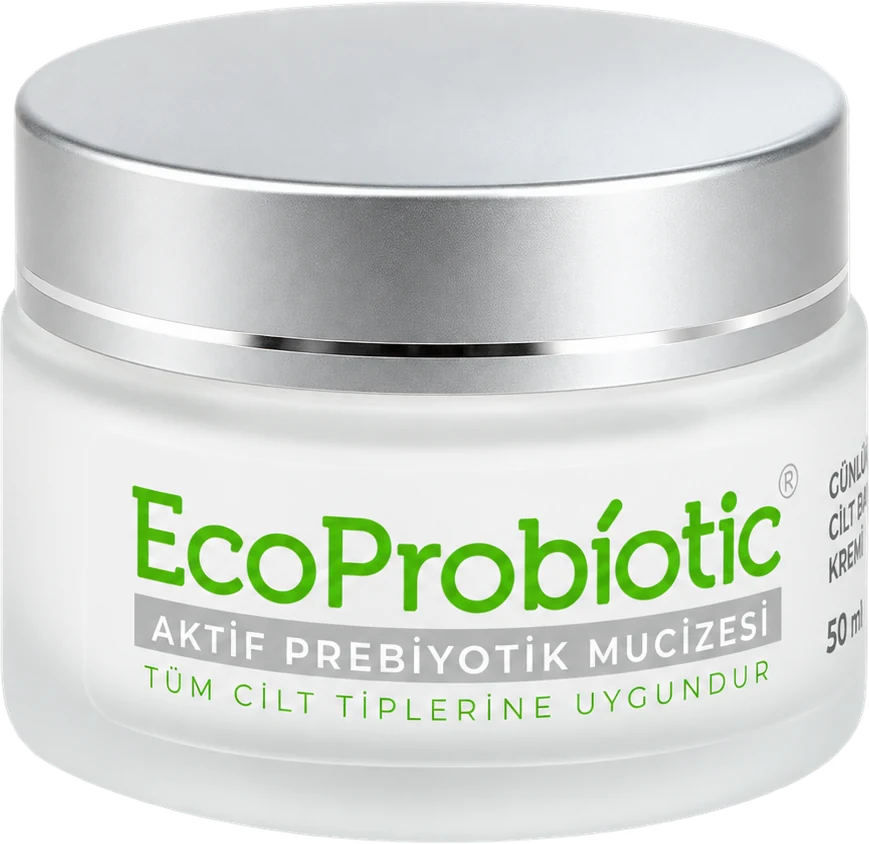
Sources
- 01Pseudofolliculitis barbae; current treatment options
Ogunbiyi A · Clinical, Cosmetic and Investigational Dermatology · 2019 · doi:10.2147/CCID.S149250
Explained that a cut hair tip growing back into the skin can trigger a foreign-body reaction leading to itching, bumps and discoloration.
- 02Seborrheic Dermatitis and Dandruff: A Comprehensive Review
Borda LJ, Wikramanayake TC · Journal of Clinical and Investigative Dermatology · 2015 · doi:10.13188/2373-1044.1000019
Reviewed how seborrheic dermatitis and dandruff arise in oil-rich areas from a combination of yeast, oil production and individual susceptibility.
- 03Malassezia, dandruff and seborrhoeic dermatitis: an overview
Hay RJ · British Journal of Dermatology · 2011 · doi:10.1111/j.1365-2133.2011.10570.x
Summarized the role of skin yeast in dandruff and seborrheic dermatitis and the clinical features of these conditions.
- 04The male beard hair and facial skin – challenges for shaving
Maurer M, Rietzler M, Burghardt R, Siebenhaar F · International Journal of Cosmetic Science · 2016 · doi:10.1111/ics.12328
Described the dense, thick and heterogeneous structure of beard hair and the challenges it creates for men's facial skin.