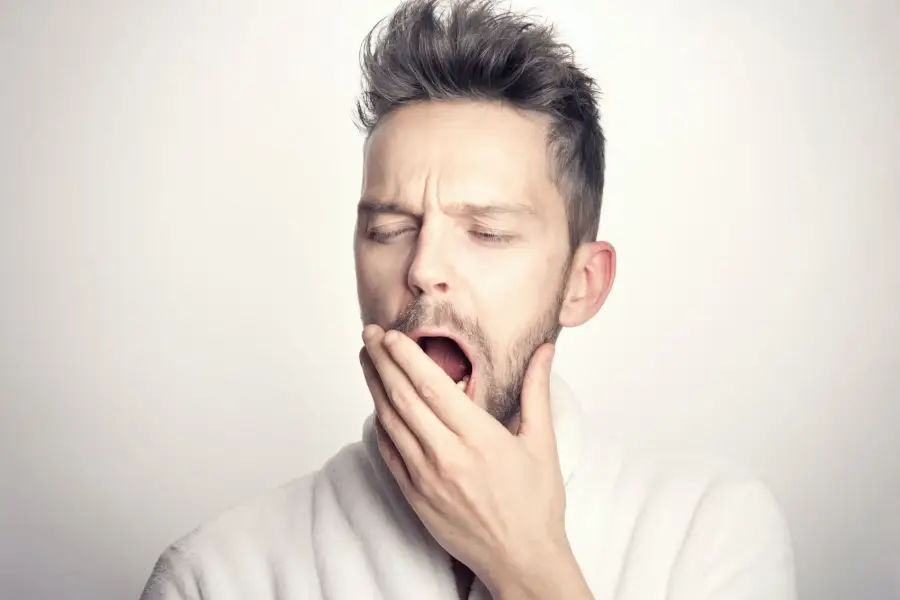
When we broke out as teenagers, we were all told "it's hormones." But breakouts don't just happen in adolescence; they can show up in your thirties and forties too, during an intense stretch at work, an exam week or a period of sleepless nights. Behind this is a system in which hormones and stress work together.
What does testosterone do to your skin?
Testosterone and its more potent derivative formed in the skin bind to receptors in the oil glands and increase oil production. A review on the role of androgens and their receptors in skin conditions explains that these hormones affect oil gland activity, acne formation, hair growth and even wound repair.
There's an important detail here: most men with acne have normal blood testosterone levels. The difference lies in how sensitive the oil glands are to this hormone. So getting breakouts doesn't mean your hormones are off; it shows that your skin's response to hormones is personal.
How does stress reach your skin?
Under stress, the brain sets off a chain of hormones that puts the body on alert. Cortisol and similar stress mediators that are part of this chain also have receptors in the skin. A review on the brain–skin connection explains that chronic stress can increase inflammatory signals in the skin and speed up processes linked to skin aging.
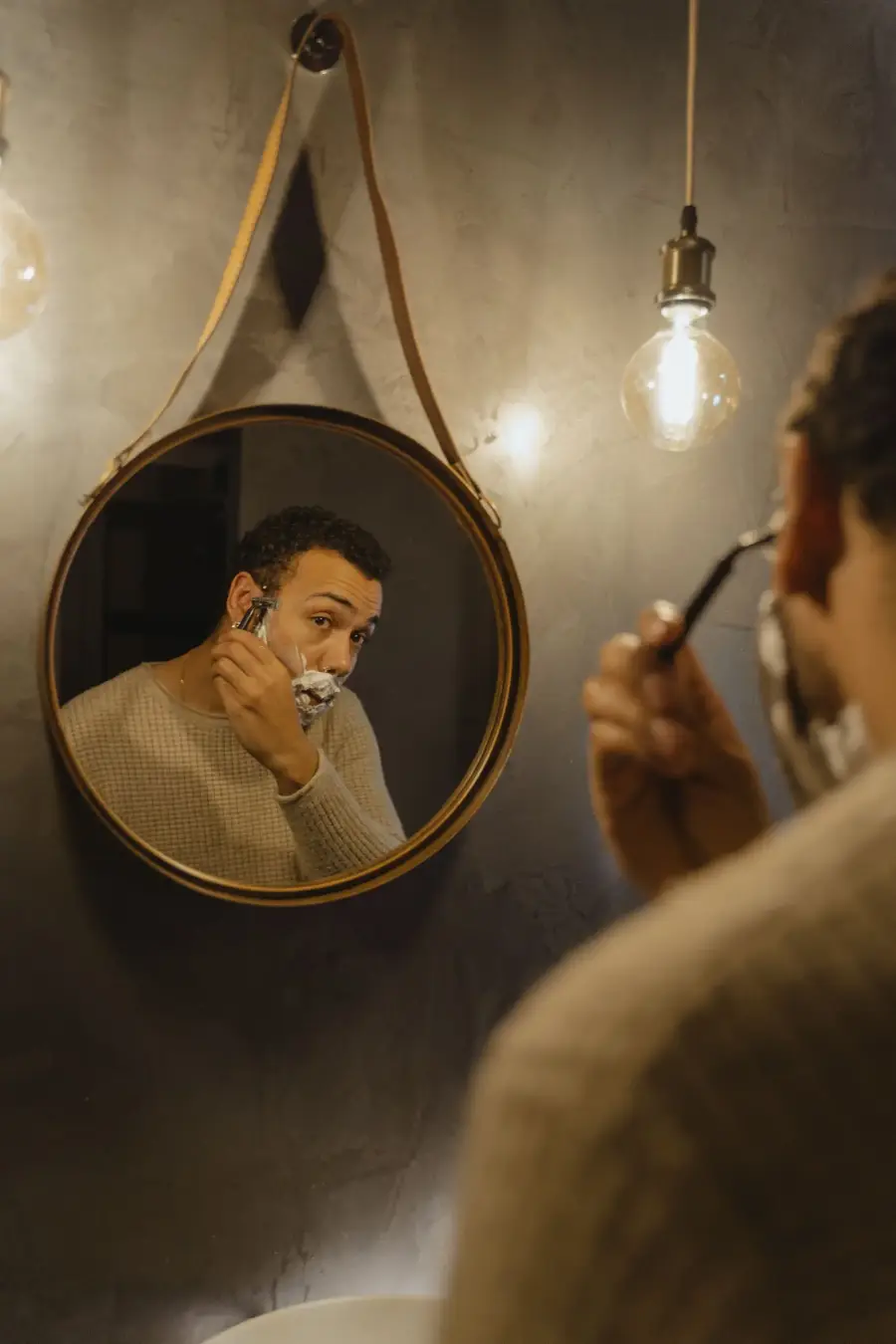
The effect of stress on the skin barrier has also been measured directly. In a classic study of students during exam season, the top layer of skin repaired itself more slowly after damage during periods of high psychological stress. In other words, during stressful times your skin doesn't just break out more; it also recovers more slowly from everyday stressors like shaving or a harsh cleanser.
Stress quietly weakens your skin's line of defense; that's why your shave stings more and breakouts take longer to clear.
The vicious cycle
Stress can lead to breakouts, and breakouts in the mirror can lead to more stress. Add squeezing pimples, scrubbing your skin hard or trying a new product every week, and the cycle gets stronger. The first step to breaking it is calming your skin rather than pushing it harder.
Supporting your skin during stressful periods
- Cut your routine down to a cleanser, a light moisturizer and sunscreen; don't try new products during this time.
- Don't wash your face more than twice a day; overwashing wears the barrier out even more.
- Don't squeeze pimples; it increases the risk of marks and dark spots.
- Try to keep a regular sleep schedule; lack of sleep affects stress hormones too.
- Walking or light exercise a few times a week is one of the most accessible ways to manage stress.
- On shaving days, use an alcohol-free, soothing aftershave product.
Testosterone supplements and your skin
Hormone-containing supplements that have become common in gyms, and androgens used without medical supervision, can markedly increase oiliness and acne. If you notice sudden, severe breakouts, bumps spreading across your back and chest or unexpected hair loss, it's important to review the supplements you're taking with a doctor.
When should you see a dermatologist?
If you have deep, painful breakouts that leave scars, redness that hasn't gone away for months or skin complaints that clearly worsen during stressful periods, see a dermatologist. After an evaluation, topical retinoids or other medical approaches may be considered. During periods when stress weighs heavily, getting psychological support can also ease the load on your whole body, including your skin.
Helpful as you build this routine
EcoProbiotic MenCare range ↗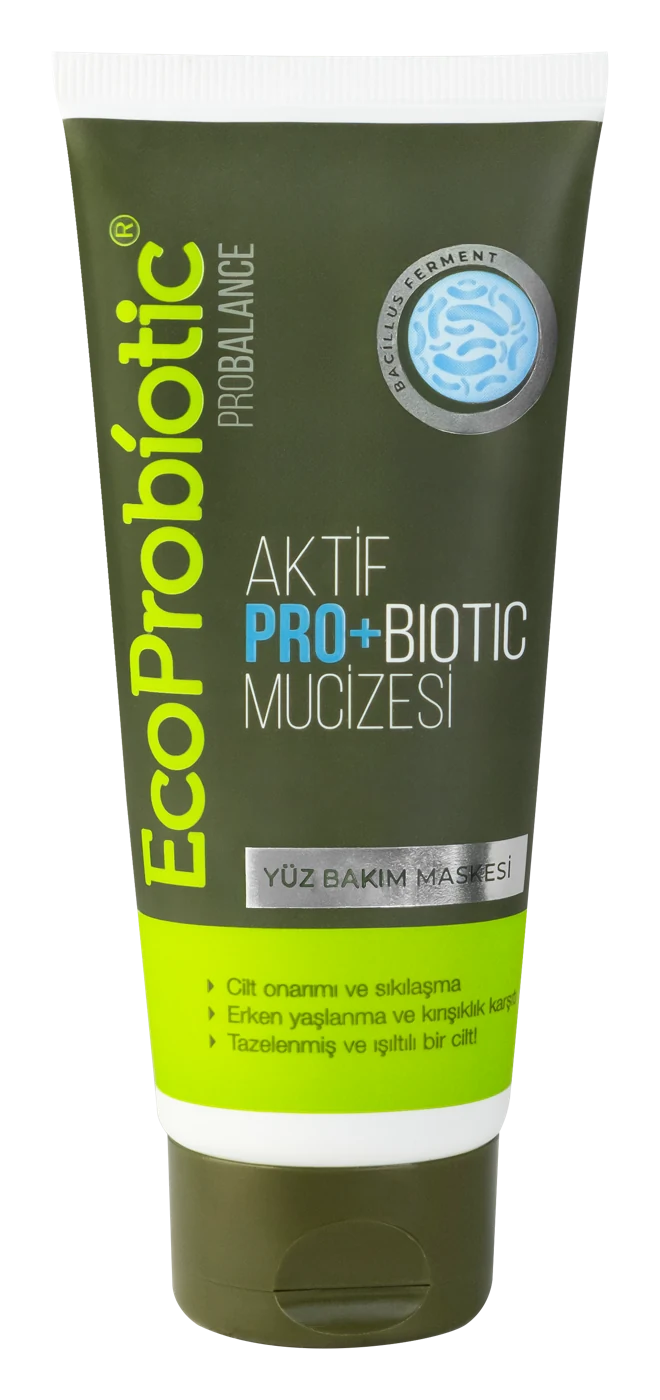 Weekly care01Prebiotic Volcanic Clay MaskOnce or twice a week, for ten minutes. Absorbs excess oil and leaves the skin matte and clean.View ↗
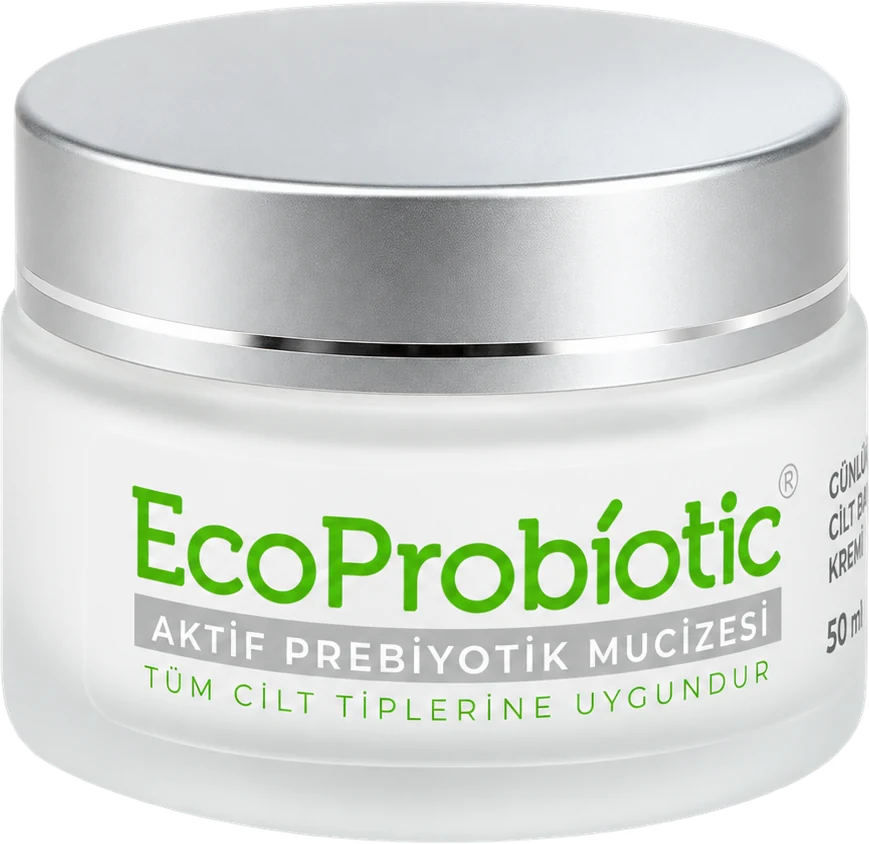 Moisturising02Prebiotic Face CreamA thin layer morning and evening; on shaving days, right after you shave. Moisturises the skin and supports its barrier.View ↗
Sources
- 01The role of androgen and androgen receptor in skin-related disorders
Lai JJ, Chang P, Lai KP, Chen L, Chang C · Archives of Dermatological Research · 2012 · doi:10.1007/s00403-012-1265-x
Reviewed the effects of androgens on oil gland activity, acne, hair growth and wound repair.
- 02Brain-Skin Connection: Stress, Inflammation and Skin Aging
Chen Y, Lyga J · Inflammation & Allergy-Drug Targets · 2014 · doi:10.2174/1871528113666140522104422
Explained that chronic stress can increase skin inflammation and affect aging processes through hormonal and neural connections between the brain and skin.
- 03Psychological Stress Perturbs Epidermal Permeability Barrier Homeostasis
Garg A, Chren MM, Sands LP, Matsui MS, Marenus KD, Feingold KR, Elias PM · Archives of Dermatology · 2001 · doi:10.1001/archderm.137.1.53
Showed that in students under exam stress, the skin barrier repaired itself more slowly after damage.
- 04Male versus female skin: What dermatologists and cosmeticians should know
Rahrovan S, Fanian F, Mehryan P, Humbert P, Firooz A · International Journal of Women's Dermatology · 2018 · doi:10.1016/j.ijwd.2018.03.002
Summarized the link between higher oil production in men's skin and androgen hormones, and how it shows up in skin problems.