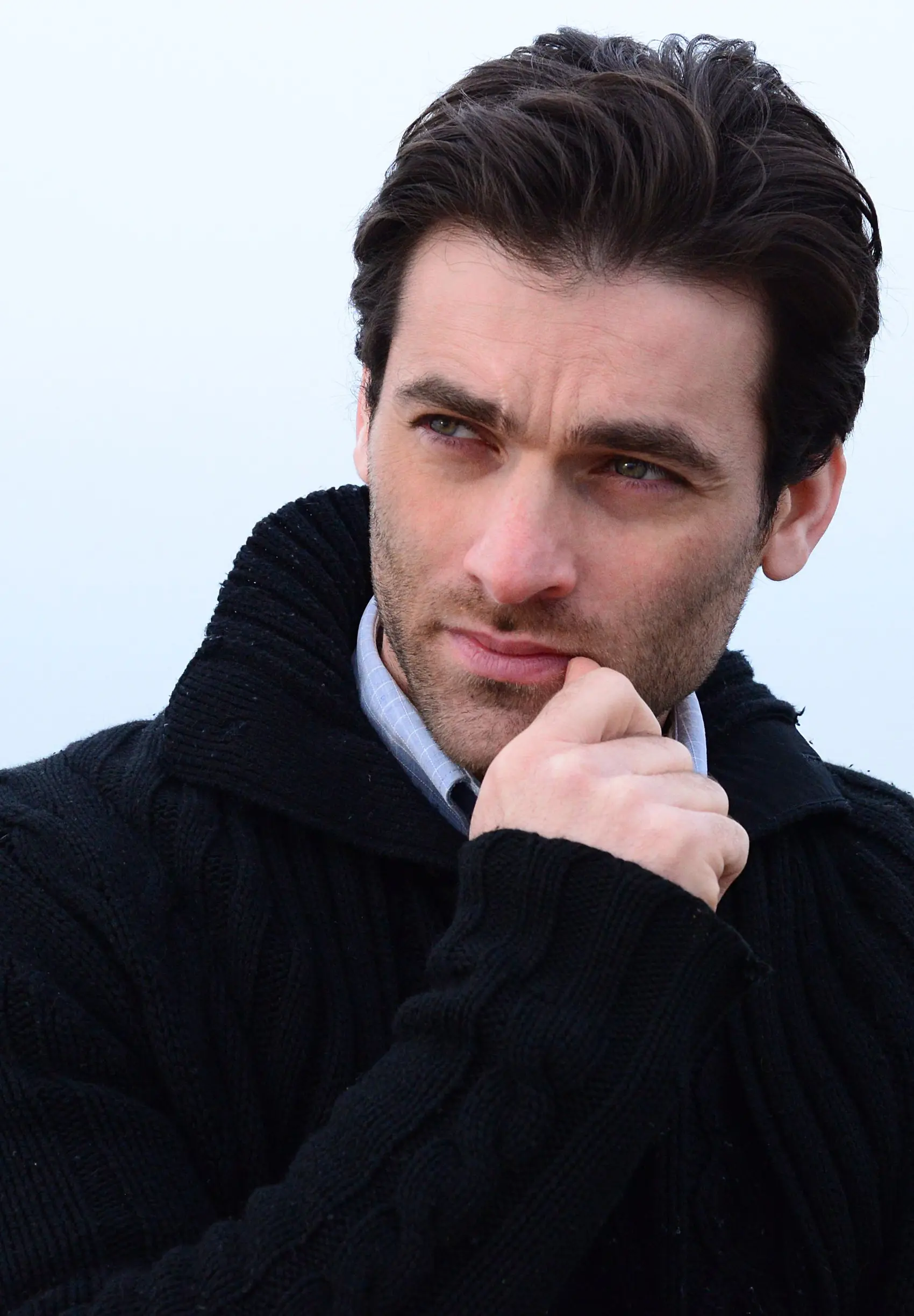
A smoker may not notice the changes in his own face in the mirror for years. The change is slow: first the complexion gets a little duller, then the lines at the corners of the eyes deepen and fine wrinkles appear around the lips. The studies that show these changes most clearly are the ones comparing two genetically identical people.
What twins tell us
Identical twins carry the same genes, so the differences between them come largely from lifestyle. In a twin study in the US, the twin who smoked, or had smoked longer, showed more signs of skin aging than their sibling. The bigger the difference in smoking duration, the bigger the difference in apparent age.
Another twin study by plastic surgeons revealed which areas of the face are most affected. In the twins who smoked, under-eye bags, sagging of the lower eyelid, lines above the upper lip and on the lower lip, and lines at the corners of the mouth were more pronounced. In other words, smoking's mark builds up especially around the eyes and mouth.
What set two siblings with the same genes apart was lifestyle; the cost of smoking was written clearly on their faces.
How does smoking wear down your skin?
A review on the effect of tobacco smoke on skin aging explains that in laboratory studies, tobacco smoke extract reduced collagen production, increased production of the enzymes that break collagen down and led to abnormal formation of elastic fibers. Because collagen is the skin's support network, wrinkles and sagging become more noticeable as this network weakens.
- Blood flow: Nicotine narrows blood vessels; less oxygen and fewer nutrients reach the skin, and the complexion can look pale and gray.
- Free radicals: The thousands of chemicals in smoke increase oxidative stress in cells.
- Repeated expressions: Pursing your lips and squinting against the smoke deepen the lines around your mouth and eyes.
- Repair: Reduced blood flow can make wounds and shaving nicks take longer to close.
Not just wrinkles
A comprehensive review on smoking and the skin explains that smoking has been linked to many conditions, including delayed wound repair, premature aging, some skin cancers, acne, psoriasis and hair loss. For men, hair loss is an important detail: in a study of twins, longer smoking duration was associated with more hair loss at the front of the scalp.
What changes when you quit?
Deep wrinkles that have formed over the years won't disappear completely. But quitting smoking can help increase blood flow and oxygen to the skin, bring color back to your complexion and slow the buildup of new damage. The sooner you quit, the less damage your skin accumulates.
Supporting your skin while you quit
- Use sunscreen daily; sun damage and smoking damage reinforce each other.
- Drink plenty of water and eat a diet rich in vegetables and fruit.
- Support your barrier with a gentle cleanser and regular moisturizing.
- Regular exercise both boosts blood flow to the skin and helps manage the stress of quitting.
- If you're struggling to quit, talk to your family doctor or a smoking cessation clinic.
If you notice a wound on your skin that won't heal, a white or red patch on your lip or inside your mouth that doesn't go away, or a mole that changes, see a doctor without delay.
Helpful as you build this routine
EcoProbiotic MenCare range ↗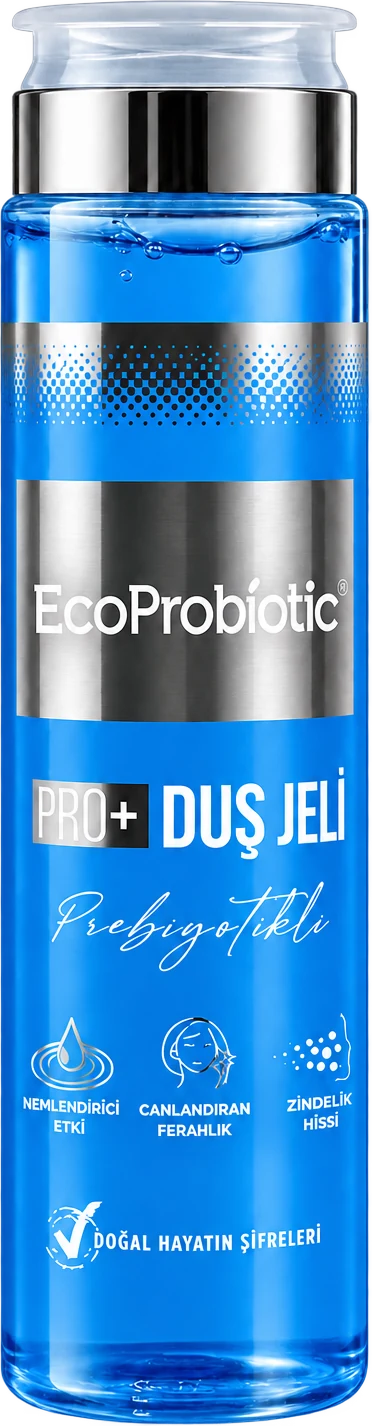 Body01Prebiotic Shower GelThoroughly cleanses the areas that hold sweat; moisturises the skin and supports its barrier. Morning or evening, every day.View ↗
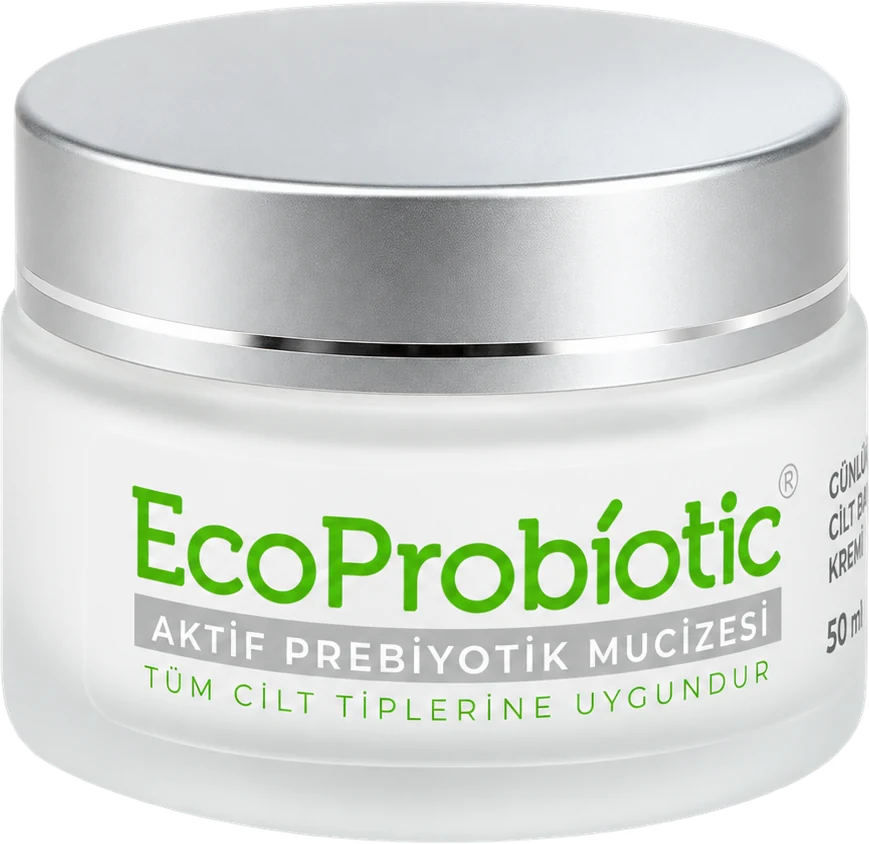 Moisturising02Prebiotic Face CreamA thin layer morning and evening; on shaving days, right after you shave. Moisturises the skin and supports its barrier.View ↗
Sources
- 01Smoking and Skin Aging in Identical Twins
Doshi DN, Hanneman KK, Cooper KD · Archives of Dermatology · 2007 · doi:10.1001/archderm.143.12.1543
Reported that the twin who smoked, or had smoked longer, showed more signs of skin aging than their sibling.
- 02Facial Changes Caused by Smoking: A Comparison between Smoking and Nonsmoking Identical Twins
Okada HC, Alleyne B, Varghai K, Kinder K, Guyuron B · Plastic and Reconstructive Surgery · 2013 · doi:10.1097/PRS.0b013e3182a4c20a
Showed that under-eye bags and lines around the lips and mouth were more pronounced in twins who smoked.
- 03Tobacco smoke causes premature skin aging
Morita A · Journal of Dermatological Science · 2007 · doi:10.1016/j.jdermsci.2007.06.015
Reviewed how tobacco smoke reduces collagen production, increases collagen-degrading enzymes and is linked to premature skin aging.
- 04Smoking and the skin
Ortiz A, Grando SA · International Journal of Dermatology · 2012 · doi:10.1111/j.1365-4632.2011.05205.x
Reviewed the links between smoking and many skin conditions, including wound repair, skin aging, acne, psoriasis and hair loss.
- 05The Contribution of Endogenous and Exogenous Factors to Male Alopecia: A Study of Identical Twins
Gatherwright J, Liu MT, Amirlak B, Gliniak C, Totonchi A, Guyuron B · Plastic and Reconstructive Surgery · 2013 · doi:10.1097/PRS.0b013e3182865ca9
Showed in male twins that longer smoking duration was associated with more hair loss at the front of the scalp.