It's no coincidence when a coworker asks "Didn't you sleep last night?" as you walk into a meeting. People can read how rested you are from small changes in your face with surprising accuracy. Sleep affects not just your energy, but how your face looks to others.
What does sleep deprivation look like on your face?
In a study at the Karolinska Institute in Sweden, participants were photographed after normal sleep and after a long period without sleep. The people rating these photos reported seeing more hanging eyelids, redder and more swollen eyes, darker circles under the eyes, paler skin and more visible fine lines on the sleep-deprived faces.
Chronically poor sleep and the skin barrier
One sleepless night creates a temporary tired look. But when sleep problems stretch over weeks and months, the effect can go deeper. In a study of female participants, those with poor sleep quality showed more pronounced signs of intrinsic aging, and their barrier recovered more slowly after damage. Although the study was done in women, the link between sleep and skin repair offers a noteworthy clue for men's skin too.
Sleep is your skin's shift change. If the night repair crew doesn't clock in, your face shows it in the morning.
Sleep isn't the only culprit behind dark circles
A review on under-eye circles explains that this darkness can have several different causes. Some people have an inherited concentration of pigment. In others, the under-eye skin is so thin that the blood vessels beneath show through as a dark color. With age, shifting fat pads and volume loss under the eyes can create a shadow effect. Allergies and frequently rubbing your eyes can also contribute.
That's why two men who go to bed and get up at the same time can still have different-looking under-eye areas. Lack of sleep makes the issue more noticeable, but often doesn't cause it on its own.
Morning puffiness and bags
Lying flat all night, a salty dinner or alcohol can lead to fluid building up around the eyes. This kind of puffiness usually eases as the day goes on. Permanent bags, on the other hand, are more related to the tissues around the eyes loosening with age.
Simple steps for the eye area
- Try to go to bed and get up at the same time every day as much as possible.
- Cut back on screen light in the hour before bed.
- Avoid too much salt at dinner and alcohol late in the evening.
- For morning puffiness, you can apply a cool compress for a few minutes.
- Don't rub your eyes; the under-eye skin is the thinnest on your face.
- Apply sunscreen around your eyes too, and wear sunglasses.
- Apply a light, fragrance-free moisturizer around your eyes by gently tapping it in with your fingertip.
When should you see a doctor?
If you feel excessively sleepy during the day despite getting enough sleep, snore loudly or someone has noticed you stop breathing in your sleep, it's important to talk to a doctor. Sudden swelling, redness or itching around the eyes may point to an allergy or another skin problem and calls for a dermatologist's evaluation.
Helpful as you build this routine
EcoProbiotic MenCare range ↗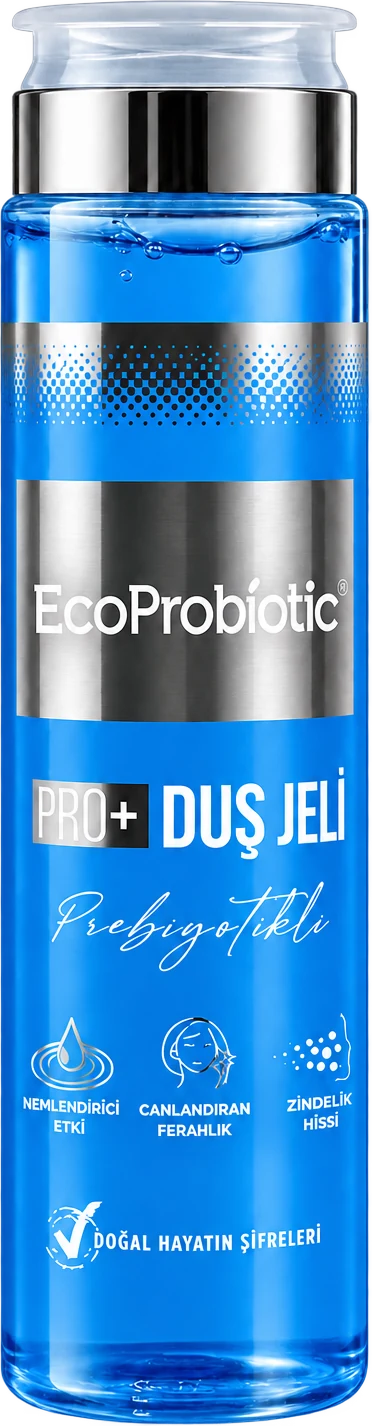 Body01Prebiotic Shower GelThoroughly cleanses the areas that hold sweat; moisturises the skin and supports its barrier. Morning or evening, every day.View ↗
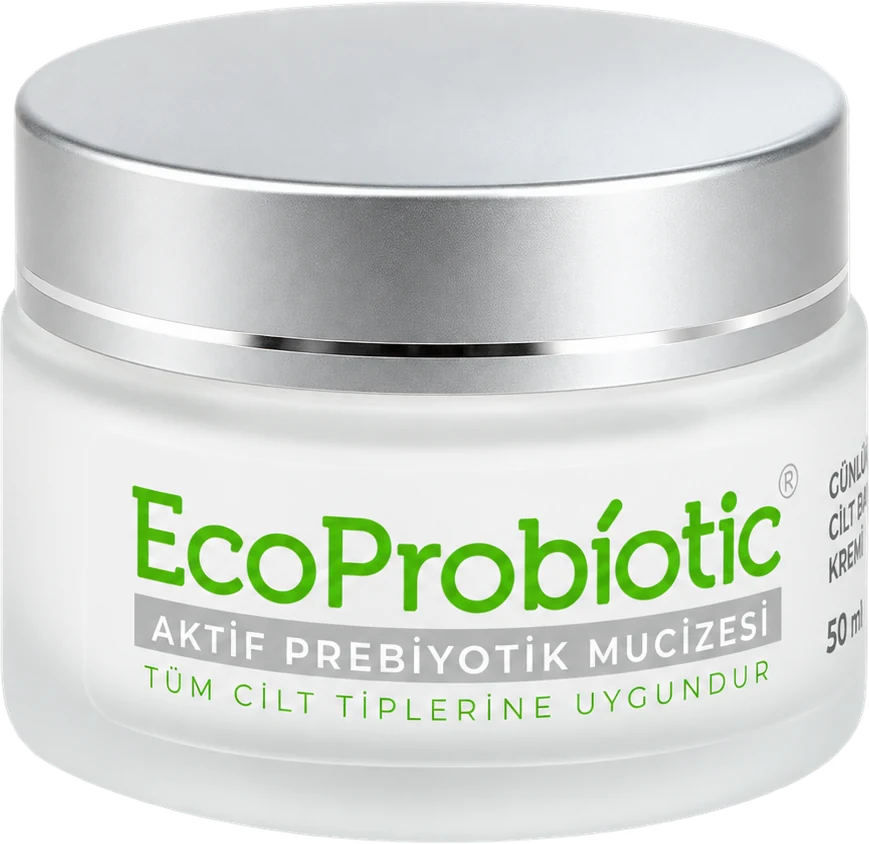 Moisturising02Prebiotic Face CreamA thin layer morning and evening; on shaving days, right after you shave. Moisturises the skin and supports its barrier.View ↗
Sources
- 01Cues of Fatigue: Effects of Sleep Deprivation on Facial Appearance
Sundelin T, Lekander M, Kecklund G, Van Someren EJW, Olsson A, Axelsson J · Sleep · 2013 · doi:10.5665/sleep.2964
Showed that the faces of sleep-deprived people were perceived as having more hanging eyelids, swollen and red eyes, dark under-eye circles and paler skin.
- 02Does poor sleep quality affect skin ageing?
Oyetakin-White P, Suggs A, Koo B, Matsui MS, Yarosh D, Cooper KD, Baron ED · Clinical and Experimental Dermatology · 2015 · doi:10.1111/ced.12455
Reported more pronounced signs of intrinsic aging and slower skin barrier recovery in women with poor sleep quality.
- 03Infraorbital dark circles: A review of the pathogenesis, evaluation and treatment
Vrcek I, Ozgur O, Nakra T · Journal of Cutaneous and Aesthetic Surgery · 2016 · doi:10.4103/0974-2077.184046
Reviewed the different causes of under-eye circles, such as pigmentation, thin skin and visible blood vessels, and age-related structural changes.